
Starting a Drum Circle: The Ultimate Guide to Building
Discover the joy of rhythmic connection with our comprehensive guide on starting a drum circle from scratch, covering everything from venue selection to group dynamics.
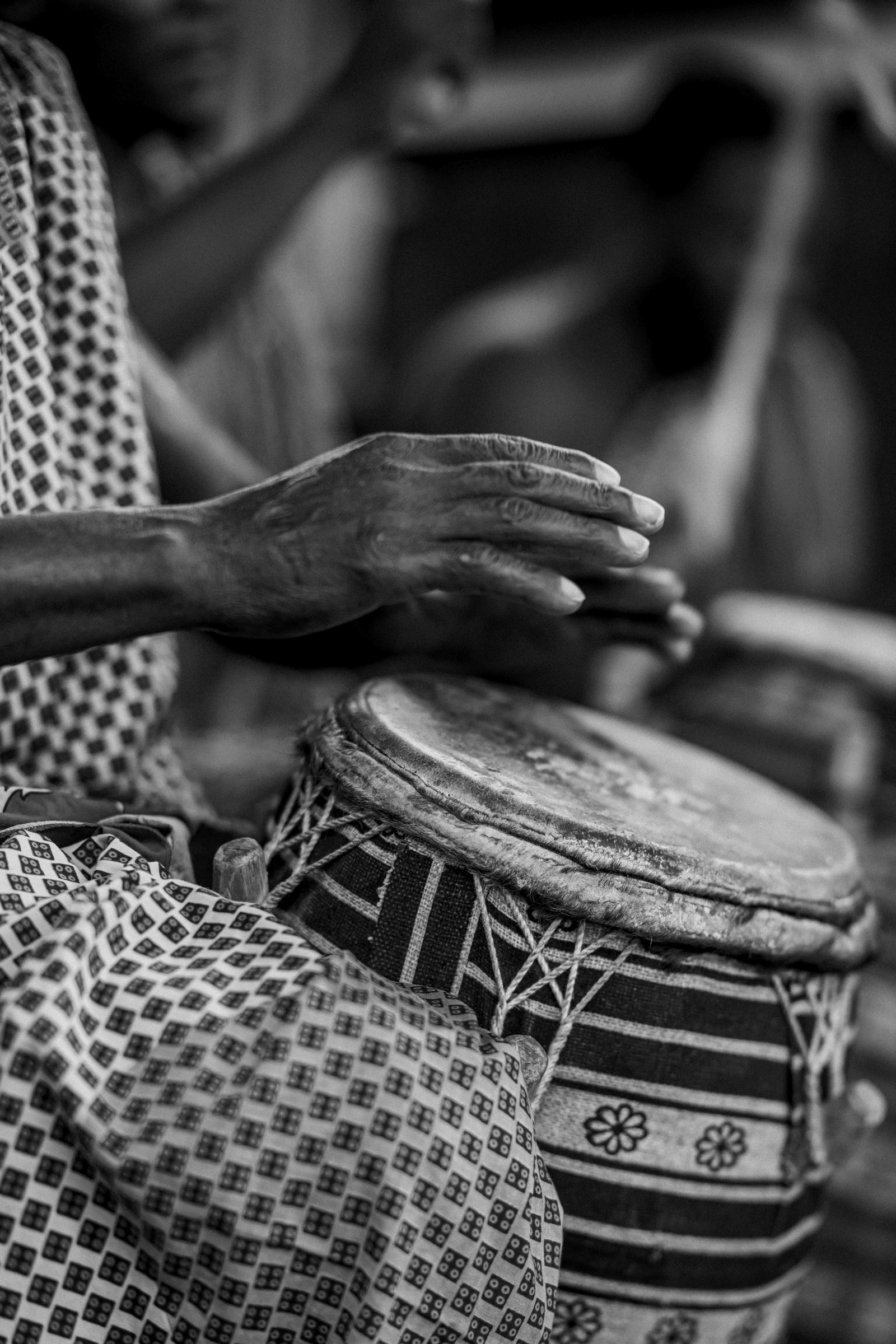
There is something primal and deeply moving about the sound of a drum. It is the heartbeat of humanity, a universal language that transcends borders and backgrounds. When you decide to begin starting a drum circle, you aren't just organizing a musical event; you are creating a sanctuary for expression, healing, and connection.
Whether you are a seasoned percussionist or someone who just bought their first djembe, the journey of building a rhythm community is incredibly rewarding. This guide will walk you through every step of the process, ensuring your circle is inclusive, sustainable, and soulful.
1. Defining Your Vision and Purpose
Before you strike the first beat, it is vital to understand why you want to start a circle. Drum circles generally fall into two categories: the "facilitated" circle and the "organic" or "anarchic" circle.
In a facilitated circle, a leader guides the energy, using signals to start, stop, and transition between rhythms. This is often best for corporate wellness, schools, or groups with many beginners. In an organic circle, there is no formal leader; the rhythm evolves naturally through listening and response.
Consider your target audience. Are you looking to host a family-friendly gathering in a local park? A meditative full-moon ceremony? Or perhaps a high-energy jam for technical players? Defining this early helps you find the right participants and the right vibe.
2. Choosing the Perfect Venue
Location dictates the atmosphere. When starting a drum circle, you need a space where people feel safe to make noise without fear of complaints.
- Public Parks: Great for visibility and community growth, but always check local noise ordinances and permit requirements.
- Community Centers & Churches: Often affordable and offer shelter from the weather. These spaces are ideal for regularly scheduled events.
- Yoga Studios: Excellent for meditative or healing-focused circles due to the existing peaceful energy and acoustics.
- Private Backyards: Perfect for smaller, intimate gatherings of friends and neighbors.
Remember to consider accessibility. Is there parking? Is it wheelchair friendly? Is there enough space for people to sit in a wide circle with their instruments?
3. Gathering Your Instruments
A drum circle is most vibrant when it features a diverse range of voices. While you don't need to provide every instrument, having a few "loaners" is essential for newcomers who haven't purchased their own gear yet.
- The Bass (The Heartbeat): Dununs (dundunba, sangban, and kenkeni) or large surdos provide the grounding foundation.
- The Mid-Range: Djembes are the most popular choice, offering a wide range of tones from deep bass to sharp slaps. Congas and tubanos are also excellent for consistent pacing.
- The High Tones: Doumbeks and darbukas provide intricate, crisp sounds that dance over the top of the heavier drums.
- Small Percussion: Don't underestimate the power of shakers, cowbells, woodblocks, and frame drums. These allow people who feel intimidated by a large drum to participate immediately.
If you find your group is eager to improve their technique, it may be worth reaching out to professional drum teachers to host a workshop during one of your sessions.
4. Setting the Circle: Etiquette and Layout
The physical layout of the circle is more than just aesthetic; it determines how well people can hear and see one another. Arrange chairs or cushions in a true circle—not an oval or a square. This ensures that every participant is an equal distance from the center and can maintain eye contact with others.
Establishing a few "ground rules" or etiquette points can help the session run smoothly:
- Listen as much as you play: Encourage participants to leave space for others.
- Support the beat: The goal is to weave a tapestry, not to play a solo over everyone else.
- Ask before playing someone else's drum: Instruments are often deeply personal items.
- Follow the facilitator: If someone is guiding the group, respect their signals to end or change the tempo.
5. Basic Facilitation Techniques
You don't need to be a master drummer to facilitate. You just need to be a master listener. When starting a drum circle, your job is to serve the rhythm.
Start with a simple "heartbeat" pulse (one-two, one-two). Once the group is locked in, you can introduce a basic call-and-response. Play a short four-beat pattern and have the group play it back to you. This builds confidence and collective focus.
If the tempo begins to rush—a common occurrence when excitement runs high—you can use a low, steady bass beat on a dunun to pull the group back to a comfortable pocket. Don't forget to incorporate "rumbling" (a fast, sustained roll) to build energy before a big finish.
6. Marketing and Growing Your Community
How do you find your drummers? Word of mouth is powerful, but digital presence is key in the modern world. Create a social media group, post flyers in local music shops, and list your gathering on community boards.
Consistency is the secret to growth. Whether it’s once a week or once a month, sticking to a schedule allows people to build the circle into their lives. For those looking to take their skills to the next level, you might suggest they look into specialized drum schools to supplement the community experience.
As your group grows, you may even consider organizing drumming retreats to deepen the bonds between members and immerse yourselves in the rhythmic lifestyle.
Final Thoughts
Starting a drum circle is an act of service. It provides a space for people to let go of their daily stresses and find a common pulse with their neighbors. Be patient, stay open-minded, and let the rhythm lead the way.
Frequently asked
- Do I need to be a professional drummer to start a drum circle?
- Absolutely not. While basic rhythm skills help, the most important quality for a founder is the ability to hold space and foster a welcoming environment. Many successful circles are started by hobbyists who simply love the community aspect of drumming.
- What is the best time of day to host a drum circle?
- Weekend afternoons are popular for family-friendly park circles, while weekday evenings (7:00 PM - 9:00 PM) work well for indoor community center gatherings. Always consider the noise impact on your neighbors when choosing a time.
- How do I handle someone who is playing too loud or off-beat?
- The best approach is to model the behavior you want to see. You can move closer to them and play a steady, grounding beat, or use a gentle hand signal to suggest lowering the volume. Most people will naturally adjust when they realize they aren't blending with the group.
Find a drum circle near you
Browse hundreds of circles, teachers and rhythm community gatherings.
Explore drum circles