
Experience the Street Drum Circle Asheville: A Guide to Pritchard Park
Discover the rhythmic heart of the Blue Ridge Mountains with our deep dive into the legendary Friday night Asheville drum circle.
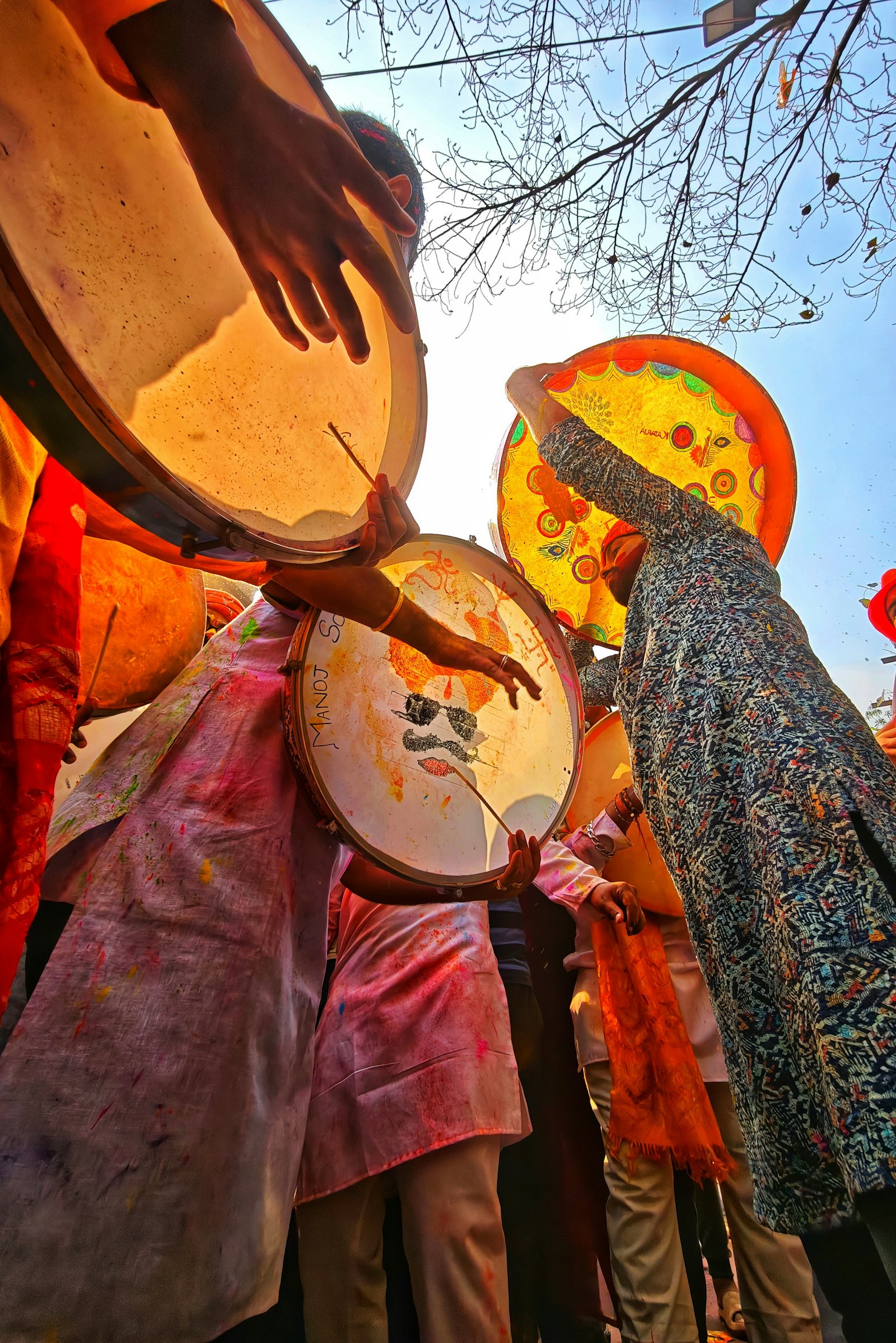
If you find yourself in downtown Asheville on a Friday evening between April and October, you don’t need a map to find the city's heartbeat. You simply follow the sound. The street drum circle Asheville is more than just a musical performance; it is a living, breathing institution that has defined the culture of Western North Carolina for decades.
Located in the circular amphitheater of Pritchard Park, this gathering brings together hundreds of locals and tourists alike. The air fills with the smell of mountain rain and local food, but the dominant force is the thunderous, polyrhythmic pulse of dozens of drums working in unison. Whether you are a master of the djembe or a curious traveler who has never touched a drum head, the Asheville circle offers a unique window into the power of community rhythm.
The History of the Pritchard Park Drum Circle
The Asheville drum circle began modestly in the mid-1990s. What started as a small group of friends meeting to play hand drums has evolved into a massive weekly event that draws crowds in the hundreds. It serves as a bridge between Asheville’s Appalachian roots and its modern identity as a hub for art and alternative lifestyles.
Over the years, the circle has survived urban redevelopment and noise ordinance debates, largely because the community recognizes its value as a "third space"—a place that isn't work or home, where people of all socio-economic backgrounds can connect without an entry fee. It is a grassroots phenomenon that remains un-led and un-choreographed, making each Friday a unique sonic experiment.
The Instruments of the Circle
While the djembe is undoubtedly the king of the street drum circle Asheville, the diversity of instrumentation is what creates such a rich tapestry of sound. On any given night, you will hear a blend of traditional African, Afro-Cuban, and Middle Eastern voices.
- Djembe: The most common drum, prized for its deep bass and sharp slaps.
- Dunun (Doundoun): These large, cylindrical drums played with sticks provide the melodic bass foundation.
- Congas: Adding a warm, melodic Latin flair to the mix.
- Doumbek: These goblet-shaped drums bring intricate, rapid-fire rhythms from the Middle East.
- Frame Drums: Often played by those walking through the crowd, providing a steady, hypnotic pulse.
- Auxiliary Percussion: Expect to see cowbells, shekeres, woodblocks, and even the occasional tambourine.
If you are looking to improve your technique before joining the fray, you might consider connecting with local drum teachers who specialize in these specific traditions.
What to Expect: The Atmosphere and Flow
The energy of the Asheville circle is cyclical. It often begins around 6:00 PM with a few dedicated players setting a steady tempo. As the sun dips behind the Blue Ridge Mountains, the volume increases.
One of the most beautiful aspects of this gathering is the inclusivity. You will see toddlers dancing in the center of the pit alongside retirees. Flow artists—people practicing poi, hula hooping, or staff spinning—often occupy the perimeter, their movements synchronized to the shifting beats. The music rarely stops; instead, one rhythm morphs into the next through a process of organic transition.
Etiquette for Newcomers and Visitors
Because the street drum circle Asheville is a public, community-led event, there are no formal "rules," but there is a strong set of unwritten etiquette guidelines that keep the rhythm flowing and the vibe positive.
- Listen Before You Play: When you first arrive, take five minutes to just listen. Understand the tempo and the "groove" before you start hitting your drum. Joining in off-beat can throw off the entire circle.
- Respect the Center: The center of the circle is for dancers and flow artists. Keep the space clear so people can move freely.
- Support the Low End: If you aren't a lead drummer, focus on the basic pulse. Constant soloing can become tiring for other players and listeners.
- Ask Before Playing Someone Else's Drum: Many of the instruments in the park are professional-grade and very expensive. Never pick up or strike a drum that isn't yours without explicit permission.
- Share the Space: If the inner ring of drummers is full, wait for someone to take a break before stepping in.
For those who want to dive deeper into the formal side of these gatherings, exploring drum schools can help you learn the specific signals and call-and-response patterns used in professional circles.
Why Asheville is a Hub for Rhythm Culture
Asheville’s reputation as a "rhythm destination" extends far beyond Pritchard Park. The city is home to numerous instrument makers, world-class percussionists, and healing arts practitioners who use rhythm for wellness. The surrounding mountains also host various drumming retreats that allow for a more immersive, multi-day experience away from the urban bustle.
The street drum circle Asheville acts as a gateway. Many people visit the park as a tourist attraction and leave with a lifelong passion for hand drumming. This local scene is a testament to how rhythm can revitalize a downtown area, fostering a sense of safety and vibrant communal life.
Planning Your Visit
If you're planning to attend, here are a few logistical tips:
- Timing: The circle typically runs every Friday from April through October, roughly from 6:00 PM to 10:00 PM.
- Location: Pritchard Park is located at 67 Patton Ave, Asheville, NC 28801.
- Parking: Downtown parking can be tight on Friday nights. Use the Wall Street or Rankin Avenue parking garages for a short walk to the park.
- Weather: The circle is weather-dependent. If it’s a heavy downpour, the drummers will likely stay home to protect their drum skins.
Beyond the Friday night circle, Asheville hosts various other events throughout the year, including indoor winter circles and rhythm festivals.
Conclusion: Finding Your Beat
The street drum circle Asheville is a reminder that music belongs to everyone. It is a place where the barriers between performer and audience dissolve, leaving only the beat. Whether you come to drum, to dance, or simply to soak in the energy of the Blue Ridge, you are part of the rhythm.
Ready to find your own community? Find a drum circle near you on our global directory.
Frequently asked
- Do I need to bring my own drum to the Asheville drum circle?
- While most participants bring their own djembes or congas, it is not strictly necessary to have one to enjoy the event. Many people come just to dance or listen. Occasionally, a friendly local might have an extra shaker or small percussion instrument to share, but if you want to ensure you can play, bringing your own gear is best.
- Is the Asheville drum circle family-friendly?
- Yes, the circle is a very family-friendly environment. You will see children of all ages dancing in the center or playing small hand drums. However, be aware that it can get quite loud and crowded, so noise-canceling headphones for very young children are a good idea.
- What happens if it rains on Friday night?
- Because drum heads (especially natural goat skin) can be damaged by moisture, the circle usually cancels if there is steady rain. If it is just a light, passing mist, some drummers may stay, but the large gathering typically only happens in fair weather.
- How much does it cost to attend the Pritchard Park drum circle?
- The event is completely free for both participants and spectators. It is a public community gathering supported by the city and local volunteers. You are encouraged to support the nearby local businesses and restaurants that help make the downtown area vibrant.
Find a drum circle near you
Browse hundreds of circles, teachers and rhythm community gatherings.
Explore drum circles