Submit a Drum Circle: Grow Your Local Rhythm Community
Ready to share your rhythm? Learn how to submit a drum circle to our global directory and connect with drummers in your local area.
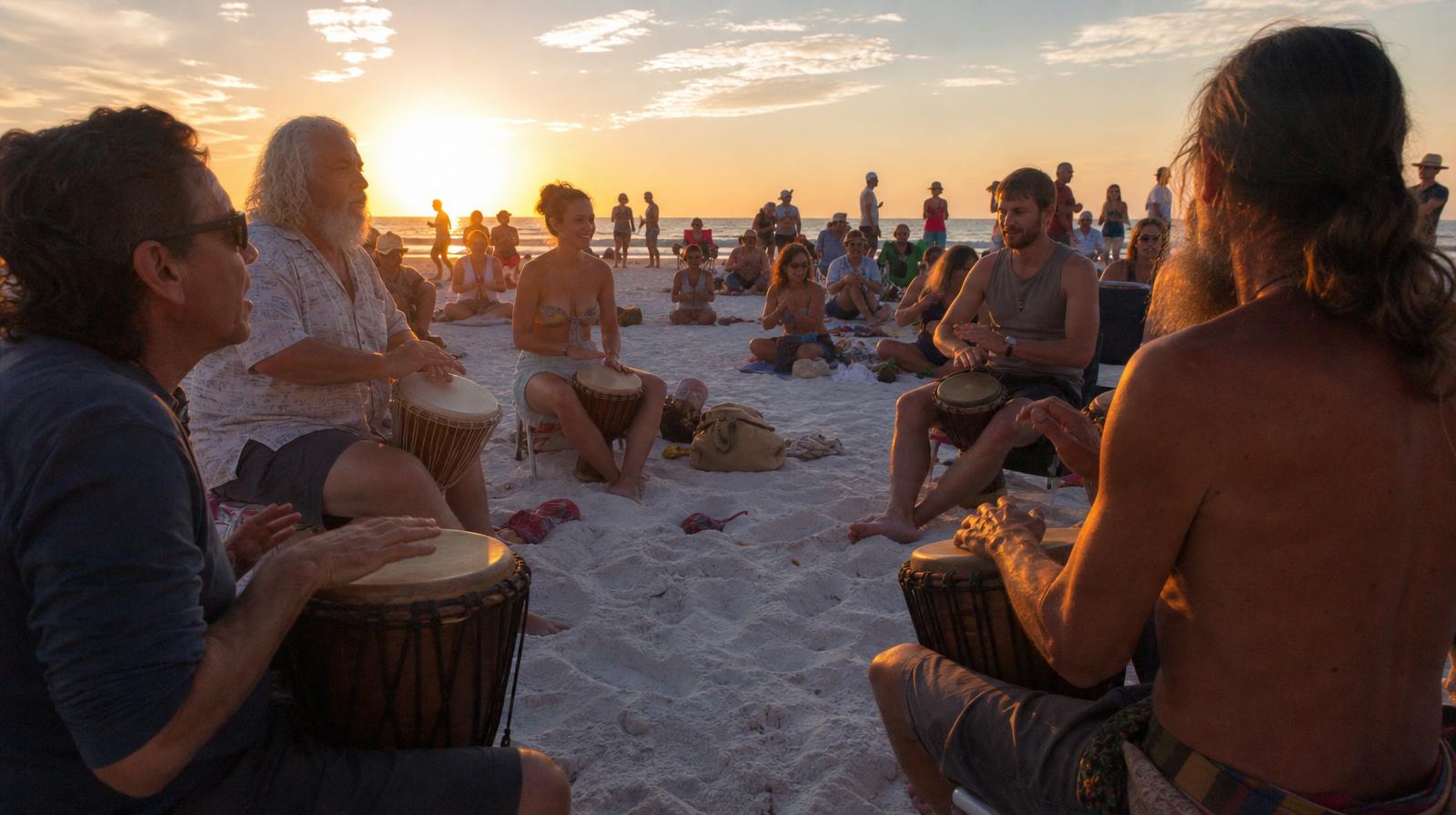
There is a specific magic that happens when a group of strangers gathers in a park, a community center, or on a beach to share a heartbeat. Whether you are playing a bass-heavy djembe, a sharp-toned doumbek, or a steady frame drum, the act of drumming together creates an immediate sense of belonging. But for a drum circle to thrive, people need to know it exists.
If you are a facilitator, a community organizer, or simply a dedicated hobbyist hosting a regular jam, the most important step you can take to ensure your circle's longevity is to make it visible. When you choose to submit a drum circle to a global directory, you aren't just adding a pin to a map; you are inviting new energy, diverse rhythms, and fresh faces into your local tribe.
Why Visibility Matters for Local Drum Circles
Many of the world’s most vibrant rhythm communities started with just two people on a park bench. However, for a circle to evolve into a sustainable event, it needs a consistent influx of participants. Newcomers often search for terms like "drumming near me" when they first buy a djembe or receive a set of bongos as a gift.
By listing your event, you bridge the gap between the isolated practicing drummer and the collective experience. Visibility helps you find balance in your instrumentation—perhaps you have plenty of hand drummers but need someone to bring the dununs or a steady bell pattern to hold the tempo.
How to Submit a Drum Circle Successfully
When you are ready to list your gathering, providing clear and detailed information is key. A vague listing can lead to confusion, while a detailed one builds trust with potential attendees. Here is what you should include when you submit a drum circle:
- The Vibe: Is it a meditative, quiet frame drum circle? A high-energy West African dance jam? Or a family-friendly event where kids are welcome?
- The Schedule: Be specific. Does it happen every full moon, the first Sunday of the month, or every Tuesday night?
- Location Details: Provide the exact spot. If you are in a large park, mention a landmark like "near the north fountain" or "under the large oak tree."
- Cost: Is it a free community offering, or is there a suggested donation to cover the permit or facilitator’s time?
- Loaner Instruments: Many beginners want to attend but don't own a drum yet. Mention if you have extra shakers, cowbells, or djembes available for use.
Categorizing Your Drumming Event
Not all drum circles are the same, and categorizing yours correctly helps the right people find you.
Community Jams
These are usually informal, often "spirit-led" or unfacilitated. They are great for experienced players who want to jam freely and beginners who want to soak up the atmosphere.
Facilitated Circles
A facilitator guides the group through rhythm games, call-and-response patterns, and dynamic shifts. These are excellent for corporate team building or wellness-focused gatherings. If you are looking for professional guidance to start one of these, you might browse our list of drum teachers who specialize in facilitation.
Cultural and Traditional Study
Some circles focus specifically on the rhythms of a particular region, such as Guinea, Mali, or Brazil. These often require a certain level of respect for tradition and specific techniques. If your circle is more of a class, listing it under drum schools might also be appropriate.
Etiquette and Expectations for New Listings
When you submit a drum circle, you become a steward of the local scene. It is helpful to list a few "house rules" in your description to set the tone. Common etiquette points include:
- Ask before playing someone else’s drum: Many hand drums are professional-grade instruments and are quite personal to the owner.
- Support the foundation: Encourage players to listen to the bass note before jumping in with a high-pitched solo.
- Respect the volume: In public parks, maintaining a good relationship with the local community means keeping the volume at a level that doesn't trigger noise complaints.
The Impact of a Growing Directory
Every time a facilitator takes the time to submit a drum circle, the global rhythm map becomes more complete. This connectivity allows traveling drummers to find a place to play while on the road, fostering a global network of rhythm. It also helps local organizers collaborate on larger events and festivals, turning small local jams into regional highlights.
If your gathering is part of a larger wellness program or an intensive workshop, you might also consider how it fits into the broader world of drumming retreats. These immersive experiences often start as small local circles that grow into something transformative.
Promoting Your Listing After Submission
Once your circle is live on the Drum Circle Directory, don't stop there. Share the link on social media, print it on flyers for your local music shop, and mention it at the end of your sessions. Encourage your regular members to leave reviews or "check-in" online. Social proof is a powerful motivator for someone who might be nervous about attending their first circle.
Remember, the goal of the Drum Circle Directory is to make the world a smaller, more rhythmic place. By sharing your event, you are contributing to a legacy of community, healing, and joy that has existed for thousands of years.
Find a drum circle near you at /drum-circles.
Frequently asked
- Is there a fee to submit a drum circle to the directory?
- Basic listings for community drum circles are typically free of charge to ensure that the directory remains a comprehensive resource for the global drumming community. We want to make it as easy as possible for facilitators to connect with local players.
- What if my drum circle is a one-time event?
- While our directory focuses heavily on recurring circles, you can submit one-time events or special workshops. Just be sure to include the specific date and time clearly in the description so participants know it is not a weekly occurrence.
- Can I update my listing if the location or time changes?
- Yes, we encourage facilitators to keep their listings current. If you move from a summer park location to an indoor winter studio, simply log in to your account and update the address to ensure your drummers don't show up to an empty park.
Find a drum circle near you
Browse hundreds of circles, teachers and rhythm community gatherings.
Explore drum circles