
Sunday Drum Circle: Your Guide to Weekend Rhythm and Renewal
Discover how Sunday drum circles offer the perfect blend of community connection and rhythmic relaxation to reset your week.
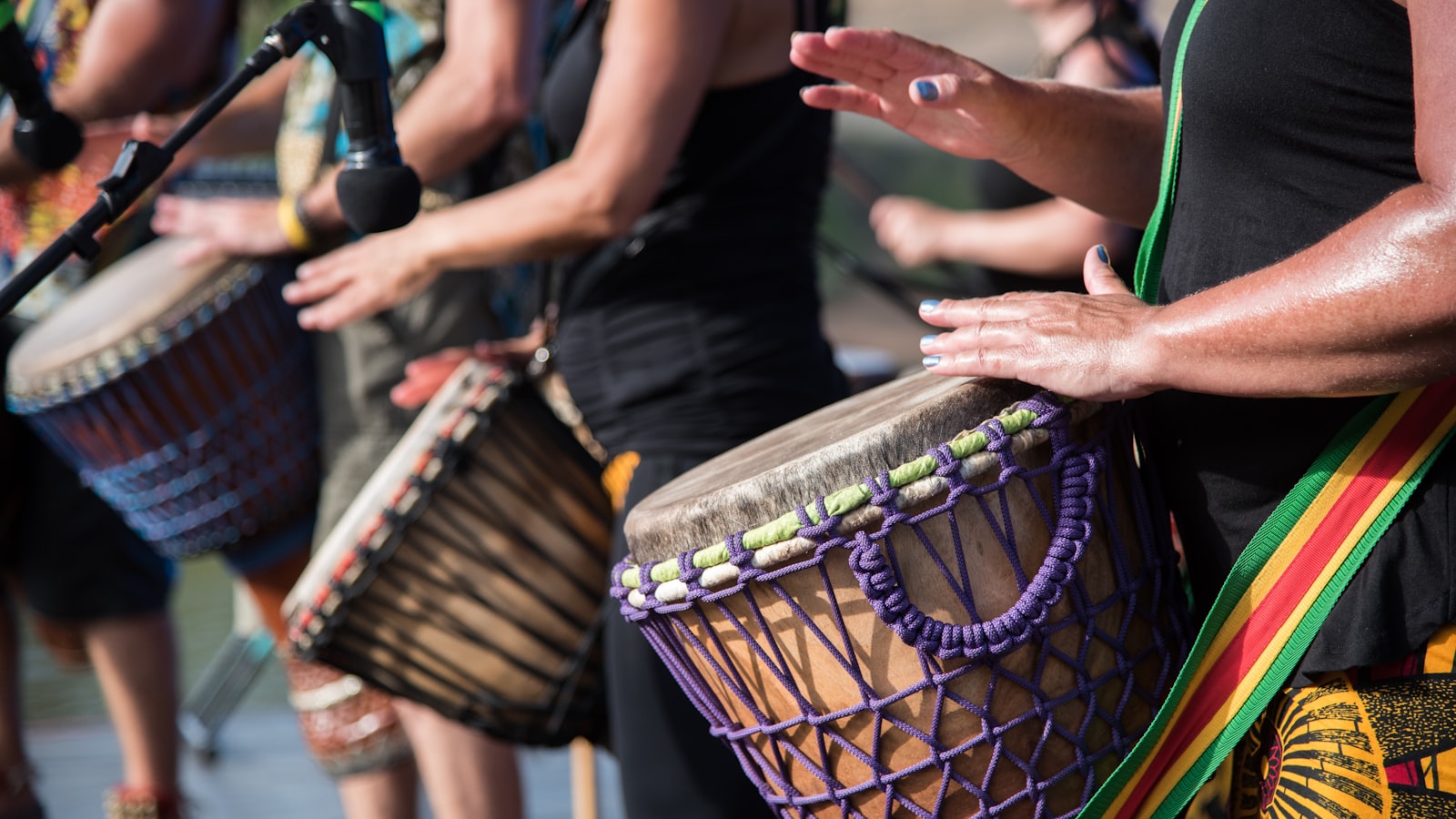
There is a unique magic to a Sunday drum circle. As the week winds down and the sun begins its slow descent, the air fills with the resonant thrum of the djembe, the sharp crack of the doumbek, and the steady, heartbeat pulse of the dununs. For many, a Sunday gathering isn't just a musical event; it’s a weekly ritual of renewal, a chance to shake off the stresses of the workweek and find a collective flow before Monday arrives.
Whether it’s a high-energy full-moon gathering on a beach or a quiet, family-friendly circle in a local park, Sunday drumming provides a space where everyone is welcome, and every beat matters. In this guide, we explore why Sunday is the ultimate day for drumming and how you can find your place in the circle.
The Spirit of the Sunday Gathering
Sunday drum circles often carry a different energy than those held on Friday nights or Saturdays. While Saturday events might be high-octane and celebratory, Sundays tend to lean toward the soulful and restorative. It is the bridge between the freedom of the weekend and the structure of the coming week.
In these circles, you’ll often find a diverse mix of people: seasoned facilitators, curious beginners, and families with children playing shakers and tambourines. The focus is rarely on technical perfection. Instead, the goal is connection—connecting with the rhythm, with the earth, and with the people sitting beside you.
Essential Instruments for the Circle
If you are heading to your first Sunday drum circle, you might wonder what to bring. While many circles have extra instruments to share, having your own drum allows you to develop a personal relationship with your sound.
- Djembe: The most popular choice for outdoor circles. Its wide range of tones—from deep bass to sharp slaps—makes it versatile for any rhythm.
- Congas: These provide a warm, melodic foundation that sits perfectly in the middle of the soundscape.
- Frame Drums: Lightweight and spiritual, these are perfect for those who prefer a more meditative drumming experience.
- Ashiko: Often called the "male" counterpart to the djembe, the ashiko offers a punchy, earthy tone.
- Percussion Toys: Never underestimate the power of a good cowbell, shekere, or a pair of claves to hold the timing together.
If you’re looking to improve your technique before joining a public group, connecting with drum teachers can help you find your unique voice on the instrument.
Sunday Drum Circle Etiquette for Beginners
Every drum circle has its own unwritten language. To ensure the experience is positive for everyone, keeping a few basic etiquette tips in mind is helpful:
- Listen First: Before you start playing, listen to the existing groove for a minute. Find the "heartbeat" and enter softly.
- Support the Bass: The big drums (like the dununs or large djembes) provide the foundation. Don't play over them; play with them.
- Leave Space: You don't have to play on every beat. Silence is a part of music. Leaving "holes" in your rhythm allows others to shine.
- Follow the Facilitator: If there is a designated leader, watch for their signals to increase volume, slow down, or stop.
- Ask Before Playing Someone Else’s Drum: Many drums are handmade and deeply personal. Always ask permission before trying out a neighbor's instrument.
Finding Your Local Sunday Rhythm
Sunday circles happen in a variety of settings. From the famous beach circles in California and Florida to community centers in the heart of London, the "Sunday beat" is a global phenomenon. Many of these gatherings are local events that have been running for decades, becoming a staple of the local culture.
To find a group near you, you can browse our comprehensive list of drum circles. Look for keywords like "family-friendly," "community jam," or "park circle" to find the vibe that suits you best.
The Health and Wellness Benefits of Weekly Drumming
There is a reason why you feel so much better after a Sunday afternoon spent drumming. Science has shown that group drumming can lower cortisol levels, reduce stress, and even boost the immune system. The act of synchronizing your movements with others—a phenomenon known as entrainment—creates a sense of belonging and reduces feelings of isolation.
For those looking to dive deeper into the healing power of sound, attending drumming retreats can provide an immersive experience that goes beyond a two-hour Sunday afternoon session.
Nurturing the Community
At its heart, a Sunday drum circle is about community. It is one of the few places where age, profession, and background disappear, leaving only the rhythm. It’s a place for call-and-response patterns that mimic human conversation and for shared smiles when the group hits a perfect, unified crescendo.
By participating, you aren't just making noise; you are contributing to a living, breathing tapestry of sound. Whether you are a pro or a total novice, your heartbeat is part of the collective whole.
Find a drum circle near you and start your week with a new rhythm.
Frequently asked
- Do I need to own a drum to join a Sunday drum circle?
- Not necessarily! Many community drum circles are 'facilitated' and provide a variety of instruments for newcomers to use. However, it is always a good idea to check the event description or bring a small percussion instrument like a shaker just in case.
- Are Sunday drum circles kid-friendly?
- Most Sunday afternoon circles in public parks are very family-oriented and welcome children. It is a great way to introduce kids to music and community cooperation, though it is wise to bring ear protection for very young children.
- What should I wear to an outdoor drum circle?
- Comfort is key. Wear loose-fitting clothing that allows you to sit comfortably with a drum between your knees. Since many Sunday circles are outdoors, remember to bring sunscreen, water, and perhaps a small folding chair or a blanket.
Find a drum circle near you
Browse hundreds of circles, teachers and rhythm community gatherings.
Explore drum circles