
Sunday Drum Circle Near Me: Find Your Weekend Rhythm Community
Discover how to find a local Sunday drum circle to recharge your spirit and connect with your community through the power of rhythm.
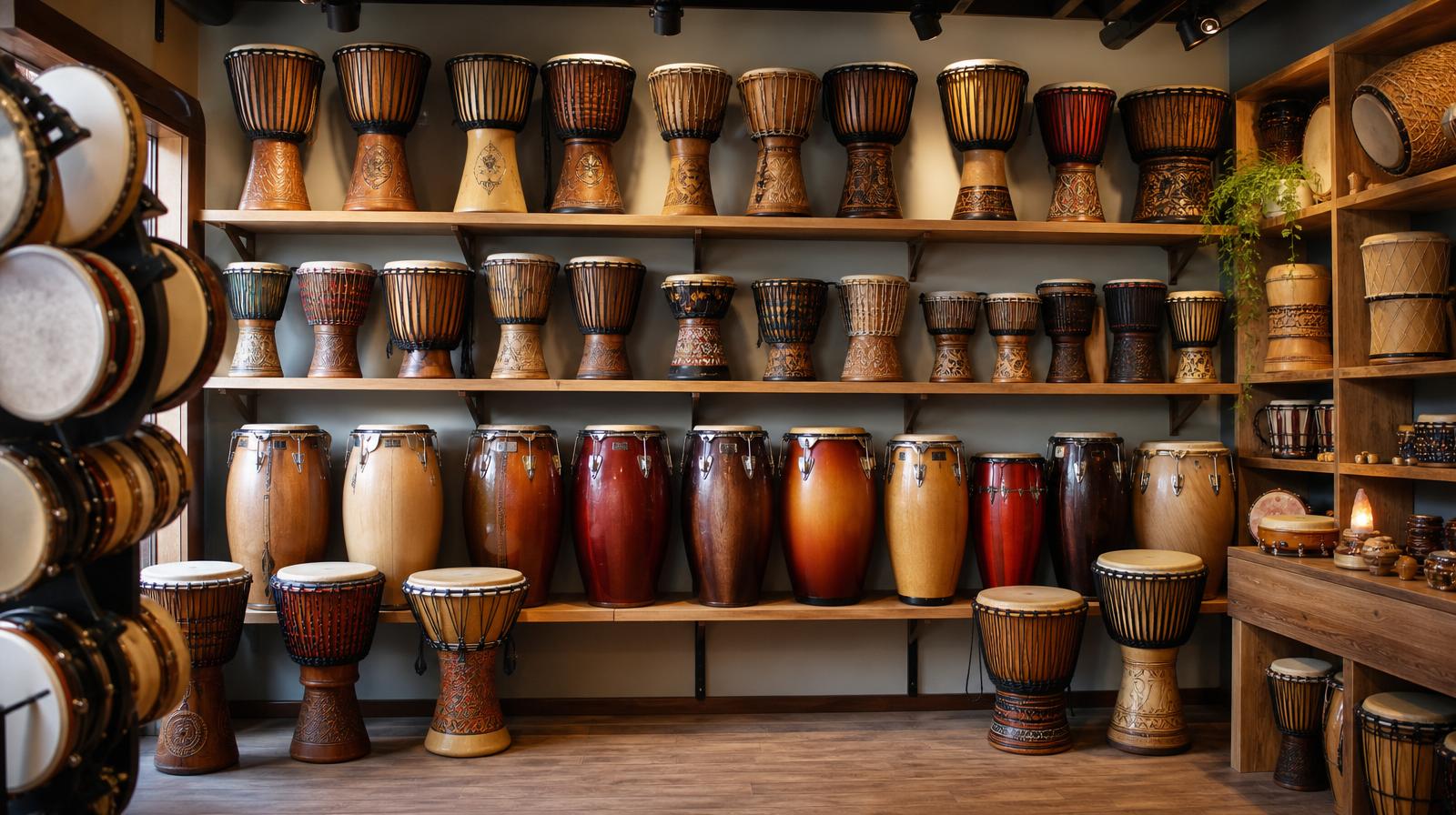
There is something uniquely restorative about the sound of a drum echoing through a park or community center on a Sunday afternoon. As the weekend winds down, many people find themselves searching for a "Sunday drum circle near me" to reset their energy before the work week begins. These gatherings are more than just musical performances; they are vibrant, inclusive spaces where rhythm serves as a universal language.
Whether you are a seasoned percussionist with a collection of professional congas or a curious beginner who has never held a mallet, Sunday drum circles offer a welcoming environment. In this guide, we will explore how to find these local gems, what to expect when you arrive, and how to make the most of your rhythmic experience.
Why Sunday is the Perfect Day for Drumming
Sundays have long been a traditional time for community gatherings. In the world of hand drumming, the Sunday afternoon circle often carries a specific vibe—relaxed, family-friendly, and spiritually grounding. Unlike high-energy Friday night jams, a Sunday session often focuses on connection and wellness.
For many, participating in a drumming event on a Sunday serves as a form of "rhythmic meditation." It allows participants to process the week that has passed and set a positive intention for the one ahead. The steady pulse of the djembe and the bright tone of the doumbek create a sonic landscape that reduces stress and fosters a sense of belonging.
How to Find a Sunday Drum Circle Near You
Finding a local circle is easier than ever, but it helps to know where to look. While some circles are well-advertised, others are grassroots gatherings that spread through word-of-mouth.
- Online Directories: The most reliable way to find a consistent gathering is through the Drum Circle Directory, which lists facilitators and community groups globally.
- Local Parks and Beaches: In many cities, Sunday afternoon is the unofficial time for "impromptu" circles at public landmarks. Think of places like Venice Beach in California or Central Park in New York.
- Community Centers and Spiritual Hubs: Many Unitarian Universalist churches, yoga studios, and wellness centers host facilitated circles on Sunday mornings or evenings.
- Social Media Groups: Search for local "hand drumming" or "percussionist" groups in your area to find private or seasonal events.
What to Expect at Your First Sunday Gathering
If you have never attended a circle before, the experience can be exhilarating. Most Sunday circles fall into two categories: facilitated and organic.
Facilitated Circles: A trained facilitator leads the group, using hand signals to start, stop, and change the tempo. These are excellent for beginners because the facilitator ensures everyone stays in sync and often provides instruments for those who don't own one.
Organic (Freestyle) Circles: These are more common in parks and beaches. There is no formal leader; instead, the rhythm evolves naturally. One person might start a heartbeat pulse on a large dunun, and others layer their rhythms on top. It is a beautiful exercise in listening and cooperation.
Essential Gear: What Should You Bring?
While many circles are "come as you are," being prepared will enhance your experience. If you are serious about your journey, you might eventually look for drumming schools to learn specific techniques, but for your first Sunday out, simplicity is key.
- Your Instrument: The djembe is the most popular choice due to its versatility. However, frame drums, ashikos, and even simple shakers or cowbells are always welcome.
- A Comfortable Chair: Unless the circle is held in a studio with seating, bring a low-profile folding chair or a drum stool (throne). Staying comfortable allows you to play longer.
- Ear Protection: Even outdoors, dozens of drums playing together can be loud. High-fidelity earplugs are a great investment to protect your hearing while still allowing you to hear the nuances of the music.
- Water and Sun Protection: Many Sunday circles take place outdoors. Stay hydrated and bring a hat or sunscreen.
Drum Circle Etiquette for Beginners
To ensure a positive experience for everyone, there are a few unwritten rules of the circle that are helpful to follow:
- Ask Before You Play Someone Else’s Drum: Many drums are handmade and culturally significant. Always ask for permission before trying out a neighbor's instrument.
- Listen More Than You Play: The secret to a great drum circle is the space between the notes. Listen to the foundational beat (usually the low-toned drums) and try to complement it rather than play over it.
- Support the Groove: Avoid the urge to speed up. A steady, consistent pulse is what allows the group to enter a state of flow.
- Respect the Center: The center of the circle is often considered a sacred space for dancers or for the sound to resonate. Avoid walking through the middle while the music is playing.
Taking Your Skills to the Next Level
Once you’ve caught the "rhythm bug" at a local Sunday gathering, you may find yourself wanting to improve your technique. Learning the proper way to hit a bass, tone, and slap will not only make your drumming sound better but will also prevent hand fatigue and injury.
Consider connecting with local drum teachers who specialize in your instrument of choice. Whether it's mastering the intricate finger patterns of the Middle Eastern doumbek or the powerful polyrhythms of West African percussion, professional guidance can transform your experience from a casual hobby into a lifelong passion.
The Health Benefits of Community Drumming
Modern science is finally catching up to what indigenous cultures have known for millennia: drumming is good for the soul. Participating in a Sunday drum circle can:
- Reduce Cortisol: Rhythmic drumming has been shown to lower stress hormones.
- Boost the Immune System: Group drumming increases the activity of natural killer cells that fight viruses.
- Create Social Bonds: Drumming in a group releases endorphins and alpha waves, associated with feelings of well-being and community connection.
Find a drum circle near you by visiting our global map at /drum-circles.
Frequently asked
- Do I need to own a drum to attend a Sunday drum circle?
- Not necessarily. Many facilitated Sunday circles provide extra instruments like djembes or shakers for newcomers. However, if you are attending an organic park circle, it is best to bring your own or check the event description beforehand.
- Are Sunday drum circles kid-friendly?
- Most Sunday afternoon circles are very family-oriented and welcome children. It is a great way to introduce kids to music and community. Just ensure they have hearing protection and are supervised so they don't accidentally damage someone's professional instrument.
- What is the difference between a drum circle and a drum class?
- A drum circle is a community jam session focused on group improvisation and connection, whereas a drum class is a structured environment where a teacher instructs students on specific techniques, rhythms, and cultural history.
- How long do Sunday drum circles usually last?
- Most scheduled Sunday circles last between 90 minutes and three hours. Informal beach or park circles may begin in the early afternoon and continue until sunset, depending on local noise ordinances and the energy of the group.
Find a drum circle near you
Browse hundreds of circles, teachers and rhythm community gatherings.
Explore drum circles