The Healing Power of the Therapeutic Drum Circle: A
Discover how therapeutic drum circles promote emotional healing, stress reduction, and community connection through the ancient power of rhythm.
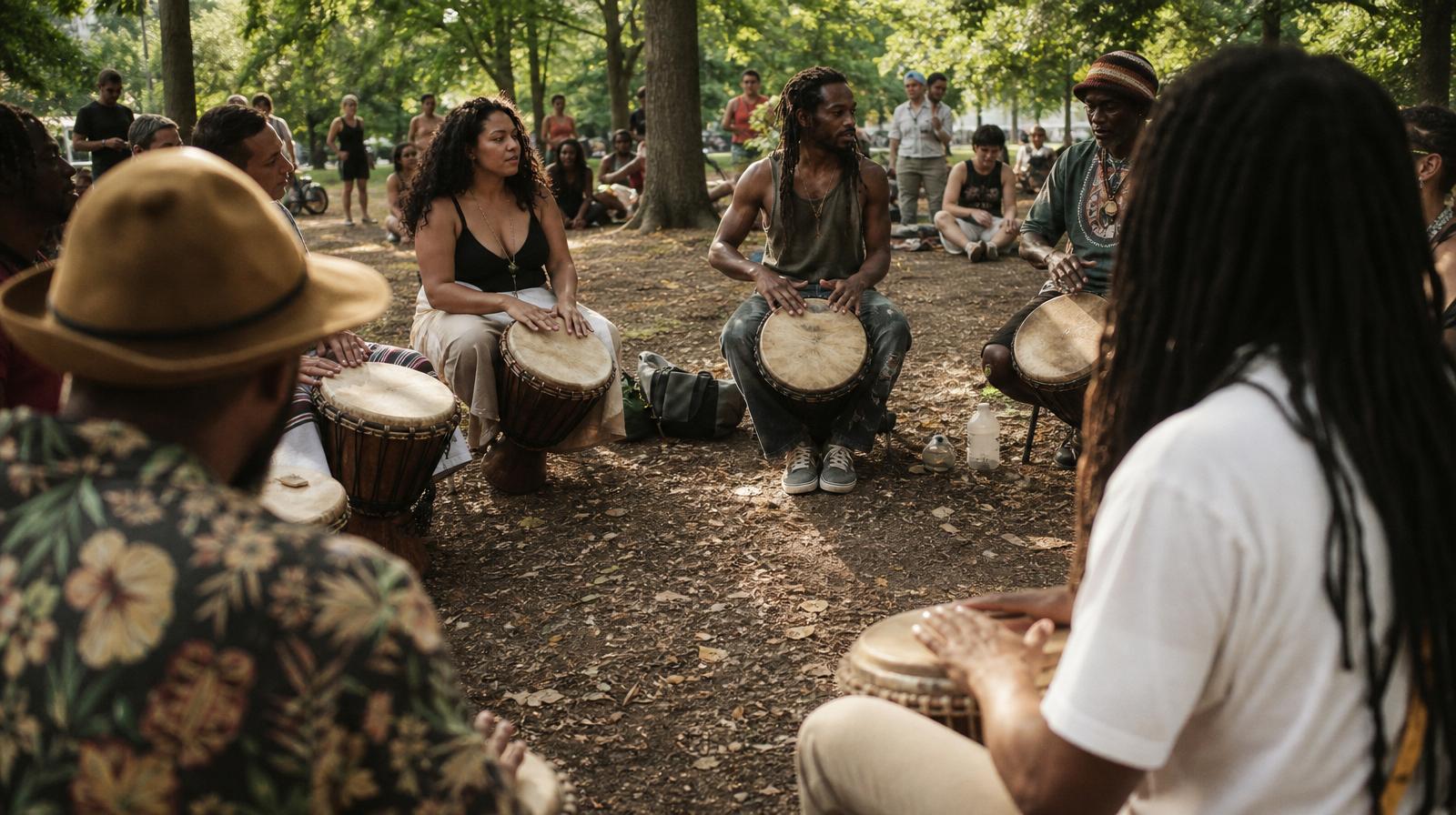
For thousands of years, the beat of the drum has served as the heartbeat of the community. From the village squares of West Africa to the shamanic traditions of Northern Europe and the Americas, rhythm has always been more than just music—it is medicine.
Today, the modern therapeutic drum circle bridges the gap between ancient tradition and clinical science. Whether you are looking to manage stress, recover from trauma, or simply find a sense of belonging, these rhythmic gatherings offer a unique space for profound transformation. Unlike a performance-based ensemble, a therapeutic circle focuses on the process of creation and the well-being of the participants.
What is a Therapeutic Drum Circle?
A therapeutic drum circle is a facilitated rhythm event specifically designed to promote health, wellness, and self-expression. While a standard community jam might be high-energy and open-ended, a therapeutic session is often led by a trained facilitator or music therapist who guides the group through specific exercises.
In these sessions, the goal isn't to play a perfect polyrhythm on a djembe or to master a complex Middle Eastern beat on a doumbek. Instead, the focus is on the internal experience. Participants use hand drums and percussion to release tension, communicate non-verbally, and reach a state of mindfulness. These circles are inclusive, welcoming everyone from seasoned percussionists to those who have never touched a drum in their lives.
The Science of Rhythm and Wellness
Research in neurobiology and psychology has begun to validate what drummers have known for centuries: drumming changes us. When we engage in repetitive, rhythmic movement, our brains undergo a process called entrainment. This is where our internal biological rhythms—like our heart rate and brain waves—sync up with the external beat.
Studies have shown that participating in a therapeutic drum circle can:
- Reduce Cortisol: Drumming significantly lowers stress hormones in the body.
- Boost the Immune System: Group drumming has been linked to increased activity in natural killer (NK) cells, which help the body fight viruses.
- Release Endorphins: The physical act of drumming triggers the release of feel-good chemicals, providing natural pain relief and mood elevation.
- Synchronize Brain Hemispheres: Rhythmic activities encourage the left and right hemispheres of the brain to work in harmony, leading to clearer thinking and emotional stability.
Essential Instruments for Healing
While any object can technically become a drum, certain instruments are staples in the therapeutic world because of their tactile feedback and resonant frequencies.
The Djembe
The West African djembe is perhaps the most popular choice. Its goblet shape produces a wide range of sounds—from deep, grounding bass notes to sharp, energetic slaps. It is easy for beginners to learn and offers a satisfying physical vibration that can be felt in the chest.
Frame Drums
Frame drums, such as the North American style or the Middle Eastern tar, are often used for more meditative, quiet sessions. Their lightweight nature makes them accessible for seniors or those with limited mobility. The steady, hypnotic beat of a frame drum is frequently used in "shamanic" or journey-based therapeutic work.
Dununs and Bass Drums
Instruments like the dunun (cylindrical West African drums played with sticks) provide the "heartbeat" of the circle. These low-frequency vibrations are incredibly grounding for individuals dealing with anxiety or ADHD, providing a stable foundation that feels safe and predictable.
What to Expect in a Session
If you are attending your first therapeutic circle, you might feel a bit of "rhythm anxiety." Rest assured, these spaces are built on radical inclusion. A typical session often follows a gentle arc:
- The Check-in: The facilitator may start with a brief moment of silence or a simple "rumble" to clear the air.
- Call-and-Response: To build confidence, the leader will play a simple pattern, which the group mimics. This fosters a sense of listening and connection.
- Guided Imagery: Some facilitators use rhythm to take participants through a story, using shakers and rainsticks to create an atmospheric soundscape.
- Free Expression: There is usually a time for the group to find its own groove, allowing for individual "solos" that represent the participant's current emotional state.
- The Closing: The session ends with a gradual slowing of the tempo, leaving the group in a state of calm reflection.
If you want to deepen your practice beyond a local circle, you might consider looking for drumming retreats where these therapeutic sessions are integrated into a multi-day healing experience.
Therapeutic Drumming for Specific Groups
The beauty of the drum is its versatility. Different populations find different benefits within the circle:
- Corporate Teams: Using rhythm to break down hierarchies, reduce burnout, and improve non-verbal communication.
- Recovery Groups: Drumming provides a healthy "natural high" and a way to process emotions without needing to find the right words.
- Seniors and Memory Care: Rhythm is one of the last functions of the brain to be affected by dementia. Drumming can spark memories and improve motor skills in elderly participants.
- Youth at Risk: For teenagers, the drum circle is a safe place to vent frustration and learn the value of their unique voice within a larger community.
For those interested in leading these groups, many drum schools now offer specialized tracks in rhythm facilitation and music therapy.
Finding Your Rhythm Community
You don't need to be a "musician" to benefit from a therapeutic drum circle. You only need a heartbeat. Whether you are looking for a full-moon gathering on a beach or a clinical session in a wellness center, the most important step is showing up.
If you feel called to learn the technical side of the instruments to better express yourself, reaching out to drum teachers who understand the wellness aspect of the craft can be a life-changing move. They can help you transition from simply hitting a drum to truly communicating through it.
Ready to experience the vibration for yourself?
Find a drum circle near you and start your journey toward rhythmic wellness today.
Frequently asked
- Do I need to own a drum to join a therapeutic drum circle?
- In most cases, no. Most facilitators provide a variety of instruments, including djembes, congas, and percussion toys, for participants to use. It is always a good idea to check the event description or contact the organizer beforehand to confirm.
- What is the difference between a drum circle and a drum lesson?
- A drum lesson focuses on technique, notation, and performance skills. A therapeutic drum circle focuses on the health benefits, emotional expression, and the shared experience of the group, with less emphasis on 'playing it right.'
- Can drumming really help with anxiety?
- Yes. Drumming induces a relaxed alpha state in the brain and focuses the mind on the present moment. This mindfulness aspect, combined with the physical release of hitting the drum, makes it a powerful tool for managing symptoms of anxiety and PTSD.
Find a drum circle near you
Browse hundreds of circles, teachers and rhythm community gatherings.
Explore drum circles