Therapeutic Drumming: A Guide to Rhythm for Health and
Discover how therapeutic drumming uses ancient rhythms to reduce stress, improve mental health, and foster community connection.
For thousands of years, the beat of the drum has been the heartbeat of the community. From the West African djembe to the Native American frame drum, rhythm has served as a bridge between the physical and the spiritual. Today, modern science is finally catching up with ancient wisdom. Therapeutic drumming is no longer just a niche practice; it is a recognized modality for improving mental, physical, and emotional well-being.
Whether you are tapping a doumbek in a quiet room or joining a high-energy circle with congas and dununs, the act of drumming triggers a physiological response that can lower cortisol, boost the immune system, and create a profound sense of belonging.
What is Therapeutic Drumming?
Therapeutic drumming is the intentional use of rhythm to achieve specific health goals. Unlike a traditional performance where the focus is on musical perfection, therapeutic drumming focuses on the process and the experience. It is about how the vibration feels in your body and how the rhythm helps you process emotions.
This practice can take many forms, including:
- Group Drum Circles: Facilitated sessions that focus on community building and shared energy.
- Rhythm-Based Therapy: Clinical sessions led by music therapists to address trauma or cognitive issues.
- Individual Practice: Using a single drum, like a shamanic frame drum, for personal meditation.
The Science of the Beat: Why It Works
When we drum, our brains experience a phenomenon known as entrainment. This occurs when our internal biological rhythms—like heart rate or brain waves—align with the external beat of the drum. Research has shown that group drumming can increase the activity of natural killer (NK) cells, which help the body fight off viruses and even cancer cells.
Furthermore, drumming encourages "hemispheric synchronization." Most of us operate primarily out of one side of the brain at a time. Drumming requires both the intuitive right brain and the logical left brain to work in concert, leading to a state of flow that is similar to deep meditation.
Mental Health Benefits of the Drum
In an age of digital overload, therapeutic drumming offers a much-needed grounding experience. It is a powerful tool for managing anxiety and depression. The repetitive nature of the beat acts as an anchor, pulling the mind away from ruminating thoughts and into the present moment.
- Stress Reduction: Drumming releases endorphins and dopamine, the body's natural "feel-good" chemicals.
- Emotional Release: For those who find it hard to put feelings into words, the drum provides a non-verbal outlet for anger, grief, or joy.
- Social Connection: Isolation is a major contributor to poor mental health. Joining a circle through local drum events provides an immediate sense of community.
Instruments Used in Healing Rhythms
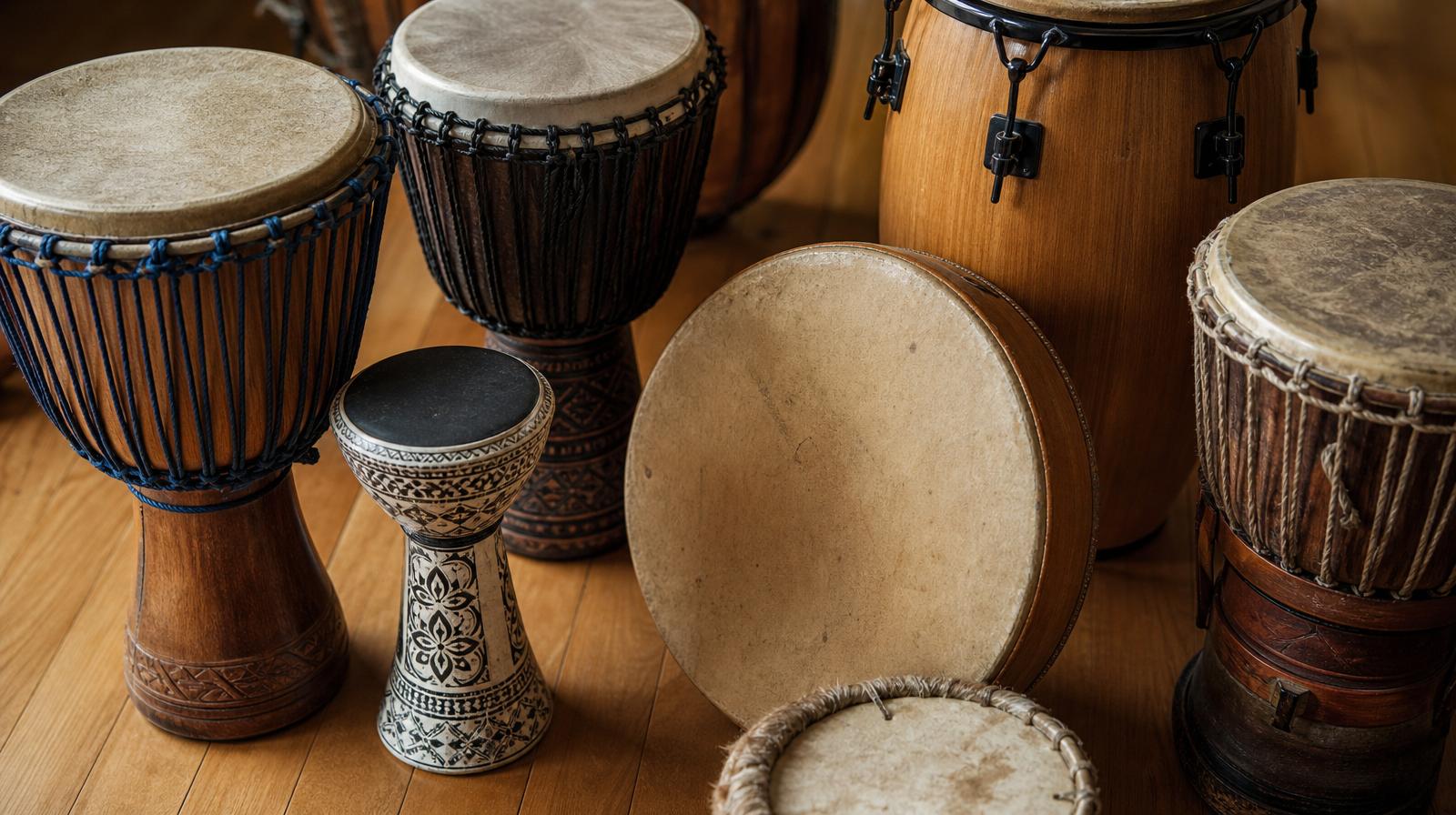
While any surface can be a drum, certain instruments are staples in the therapeutic world because of their unique tonal qualities:
- The Djembe: This goblet-shaped drum from West Africa is the most popular choice for circles. Its wide range of sounds—from deep bass to sharp slaps—allows for a full range of emotional expression.
- The Frame Drum: Often used in spiritual or meditative drumming, its steady, low vibration is perfect for inducing a relaxed state.
- The Buffalo Drum: A type of frame drum with a deep, resonant tone often used in sound healing and journeying.
- Congas and Bongos: These drums provide a melodic quality that is excellent for rhythmic dialogue and call-and-response exercises.
What to Expect at a Therapeutic Drum Circle
If you are new to the scene, the idea of jumping into a circle might feel intimidating. However, therapeutic circles are built on inclusivity. You do not need to be a musician to participate. Most facilitators emphasize that "if you have a heartbeat, you have rhythm."
Sessions often begin with a basic pulse. The facilitator might lead a call-and-response, where they play a simple pattern on a djembe and the group mimics it back. This builds confidence and helps participants feel heard. As the energy builds, the group moves into a free-form jam where everyone contributes their own unique voice to the collective sound.
If you want to deepen your practice beyond the circle, working with professional drum teachers can help you master the techniques that make playing more comfortable and sustainable for your body.
Drumming for Specific Populations
Therapeutic drumming is remarkably adaptable. It is currently being used in various specialized settings:
- Seniors: Drumming helps with motor skills and provides a vital social outlet for those in assisted living.
- At-Risk Youth: It offers a safe way to express frustration and teaches the importance of listening and collaboration.
- Corporate Wellness: Companies are using drumming to reduce employee burnout and improve team cohesion.
- Recovery: Many 12-step and addiction recovery programs incorporate drumming to help participants stay grounded and connected during the healing process.
Finding Your Rhythm Community
Healing happens best in community. While solo drumming is a wonderful meditative tool, the magic of the "collective pulse" is found in group settings. Whether you are looking for a high-energy full-moon gathering or a quiet, family-friendly wellness circle, there is a place for you.
Many people begin their journey by attending drumming retreats, which offer an immersive environment to learn from masters while focusing entirely on personal growth and rhythmic skill. For those looking for ongoing support, drum schools often offer classes that blend technique with the therapeutic aspects of the art.
Ready to experience the healing power of the beat for yourself?
Find a drum circle near you at /drum-circles.
Frequently asked
- Do I need to be a musician to try therapeutic drumming?
- Not at all. Therapeutic drumming is about the process of self-expression and the physical benefits of rhythm rather than musical performance. Facilitators are trained to help people of all skill levels, including absolute beginners, find their place in the rhythm.
- What is the difference between a drum circle and rhythm therapy?
- A drum circle is generally a community-led gathering focused on social connection and fun. Rhythm therapy (or Music Therapy) is usually a clinical practice led by a board-certified professional to address specific medical or psychological goals.
- Can drumming really help with physical pain?
- Yes, many practitioners find that drumming helps with pain management. The rhythmic vibration can act as a distraction for the brain, while the release of endorphins acts as a natural painkiller, helping to reduce the perception of chronic pain.
Find a drum circle near you
Browse hundreds of circles, teachers and rhythm community gatherings.
Explore drum circles