Trommelgruppe Guide: Find Joy and Rhythm in a Drum Circle
Discover the transformative power of joining a trommelgruppe, from mastering the djembe to finding community through the universal language of rhythm.
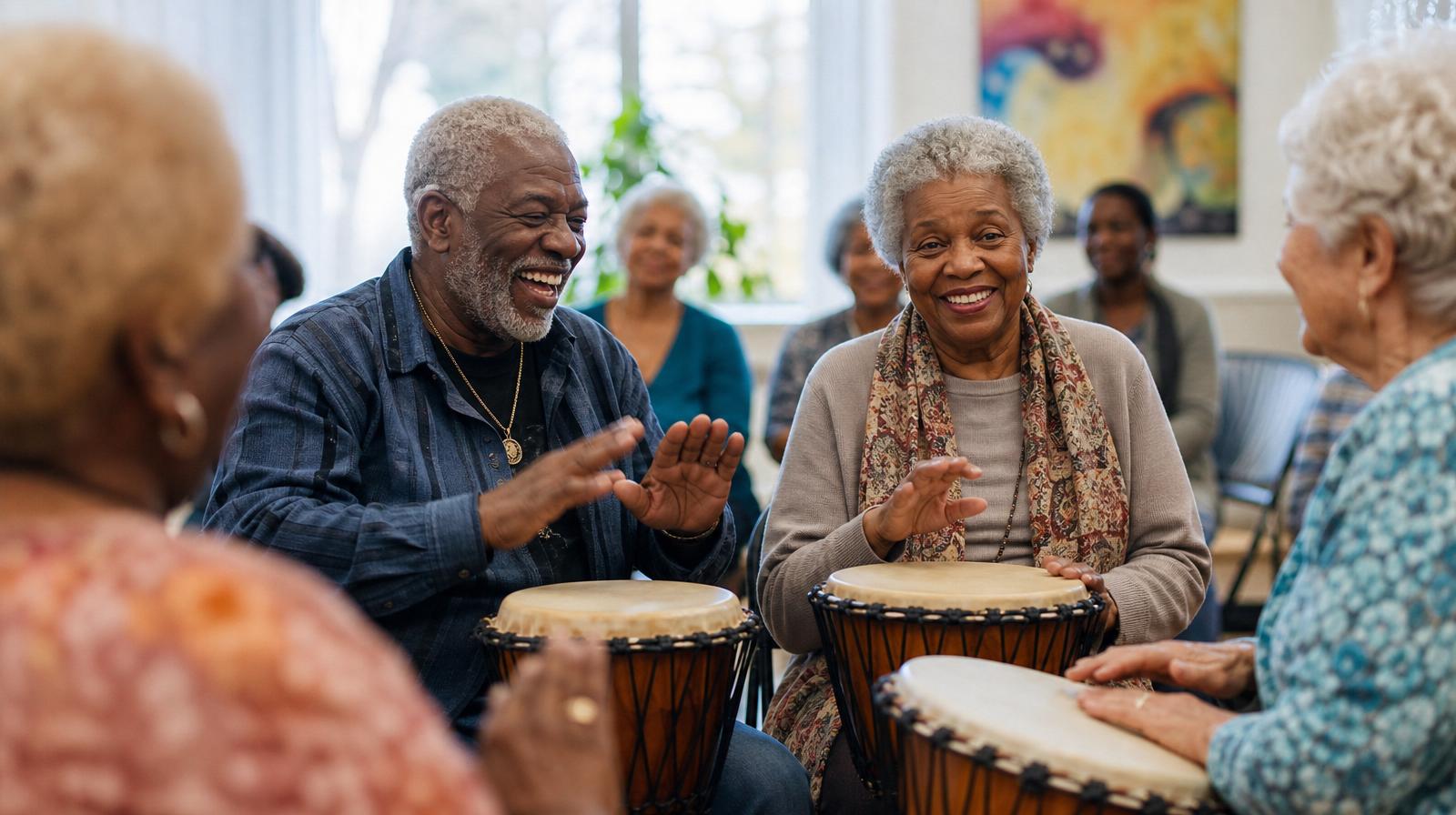
There is a unique magic that happens when a group of people sits in a circle, instruments in hand, and begins to play. Whether you call it a drum circle or a trommelgruppe, this ancient practice of communal rhythm is more than just making noise—it is a way to connect, heal, and celebrate the heartbeat of life.
In a trommelgruppe, the barriers of language and background disappear. From the deep resonance of a dunun to the crisp slap of a djembe, every voice matters. If you have ever felt the urge to tap your feet to a beat or wondered what it would be like to lose yourself in a collective groove, this guide is for you.
What is a Trommelgruppe?
A trommelgruppe is simply a group of individuals who come together to play percussion instruments. While some groups focus on specific cultural traditions—such as West African Malinké rhythms or Afro-Cuban beats—many modern circles are "facilitated" or "community" circles. In these settings, the focus is less on perfection and more on the shared experience.
In a typical gathering, you might see a wide variety of instruments. The djembe is perhaps the most popular, known for its versatility and range of sounds. You might also find the doumbek (a goblet drum from the Middle East), congas, frame drums, and various handheld percussion like shakers, bells, and woodblocks.
The Benefits of Group Drumming
Joining a trommelgruppe offers far more than just musical skills. Research has shown that group drumming can reduce stress, boost the immune system, and even help manage chronic pain.
- Stress Relief: The rhythmic vibrations help synchronize the brain's hemispheres, leading to a state of deep relaxation.
- Social Connection: Drumming in a circle fosters a sense of belonging. It is a powerful way to meet like-minded people in your local community.
- Physical Activity: While it looks like you are just sitting, drumming is a full-body workout that improves coordination and cardiovascular health.
- Mindfulness: It is nearly impossible to worry about the future or dwell on the past when you are focused on keeping time with twenty other people.
Choosing the Right Instrument for Your First Session
If you are new to the world of the trommelgruppe, you might feel overwhelmed by the choices. Most groups are welcoming to beginners and often have extra instruments to share. However, if you are looking to buy your first drum, consider these popular options:
- Djembe: The king of the drum circle. It is portable and offers three distinct sounds: the deep bass, the mid-tone, and the high-pitched slap.
- Cajón: A box-shaped drum that you sit on. It is perfect for those who want a "drum kit in a box" sound and fits well in acoustic or folk-oriented groups.
- Frame Drum: One of the oldest instruments in the world. It is lightweight and produces a spiritual, haunting resonance that is perfect for meditative circles.
- Congas: Great for those who love Latin rhythms. They require a bit more technique but offer a beautiful, melodic quality to the group.
If you are not sure where to start, many drum schools offer introductory workshops where you can try different instruments before committing to a purchase.
What to Expect at Your First Gathering
Walking into your first trommelgruppe can be a little intimidating, but remember that every master drummer was once a beginner. Most community circles follow a few unwritten rules of etiquette:
- Listen as much as you play: The best drummers are those who leave space for others. Try to blend your sound with the group rather than overpowering it.
- Follow the facilitator: If the group has a leader, they may use hand signals to indicate when to speed up, slow down, or stop.
- Ask before playing someone else's drum: Instruments are often deeply personal. Always ask for permission before trying out a neighbor's conga or djembe.
- Respect the pulse: Even if you aren't playing a complex rhythm, keeping a steady "heartbeat" on a shaker or cowbell is incredibly valuable to the group.
Finding a Trommelgruppe Near You
Whether you live in a bustling city or a quiet rural area, there is likely a rhythm community waiting for you. Many groups meet in parks for full-moon gatherings, while others host weekly sessions in community centers or yoga studios.
To find a local group, you can search our extensive directory of drum circles. These listings often include contact information for facilitators who can tell you if the group is family-friendly, beginner-oriented, or focused on a specific tradition.
For those looking to deepen their practice, attending drumming retreats can be a life-changing experience. These events allow you to immerse yourself in rhythm for several days, often led by world-class drum teachers who can help you refine your technique and understanding of polyrhythms.
The Evolution of the Drum Circle
The modern trommelgruppe has evolved from traditional roots into a global movement. In the 1960s and 70s, the "free-form" drum circle became popular in the West, emphasizing self-expression. Today, we see a beautiful blend of these styles. Some groups focus on the technical precision of West African dununba sets, while others use drumming as a therapeutic tool in hospitals and schools.
No matter the style, the core remains the same: the drum is a tool for communication. When we play together, we are practicing a form of radical listening. We learn when to lead, when to follow, and how to support the collective whole.
Conclusion: Your Journey into Rhythm
Starting your journey with a trommelgruppe is an invitation to rediscover your own internal rhythm. It is a hobby that grows with you—there is always a new pattern to learn, a new instrument to explore, and a new friend to be made in the circle.
Ready to take the first step? Grab a shaker, find a seat, and let the beat guide you.
Find a drum circle near you and start your rhythmic journey today.
Frequently asked
- Do I need to own a drum to join a trommelgruppe?
- Not necessarily! Many community drum circles and facilitators provide extra instruments like djembes or shakers for newcomers. It is always a good idea to check the event description or contact the organizer beforehand to see if loaner drums are available.
- What is the difference between a drum circle and a drum lesson?
- A drum lesson focuses on technique, notation, and specific rhythms taught by a teacher. A trommelgruppe or drum circle is more about the social and spontaneous experience of playing together, though many circles are led by a facilitator who offers light guidance.
- Can children participate in a trommelgruppe?
- Yes, many drum circles are family-friendly and welcome all ages. Drumming is a fantastic way for children to develop coordination and social skills. Just look for circles labeled as 'community' or 'all-ages' in our directory.
Find a drum circle near you
Browse hundreds of circles, teachers and rhythm community gatherings.
Explore drum circles