
Best Types of Drums for a Drum Circle: A Complete Guide
Discover the most popular hand drums for community circles, from the versatile djembe to the melodic frame drum, and find your perfect rhythm.
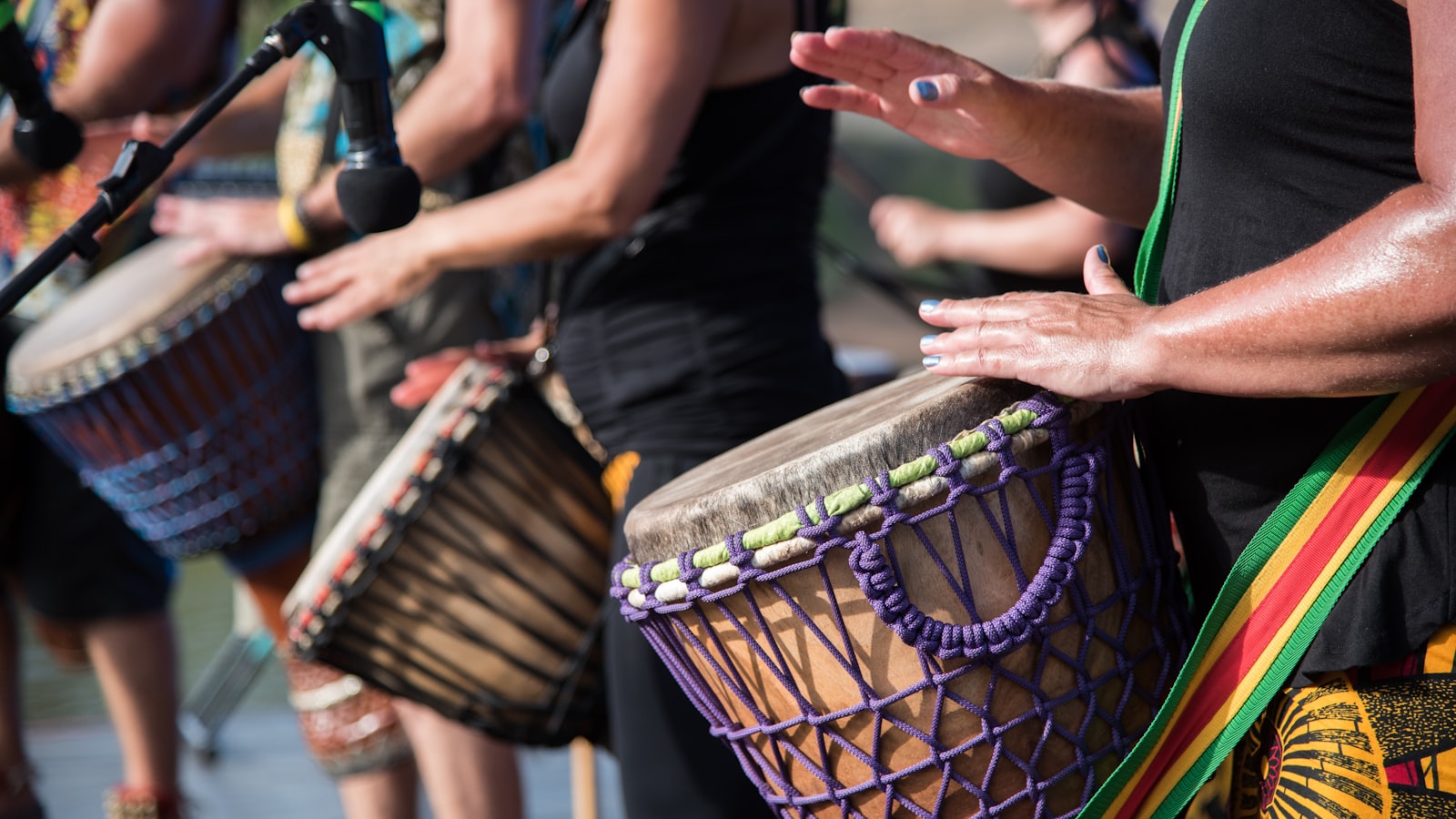
Stepping into the center of a rhythmic gathering is a transformative experience. Whether it is a sun-drenched beach gathering or a focused community hall session, the heartbeat of the group depends on the instruments brought to the circle. If you are new to this world, you might wonder which types of drums for a drum circle are most appropriate for your skill level and the sound you want to contribute.
Choosing a drum is about more than just volume; it is about finding an instrument that resonates with your personal energy while complementing the collective groove. From the deep, earth-shaking bass of the djembe to the crisp, metallic snap of a doumbek, each drum has a role to play in the sonic weave.
The Versatile Djembe: The King of the Circle
The djembe is arguably the most popular choice for drum circles worldwide. Originating from West Africa, this goblet-shaped drum is prized for its incredible dynamic range. A single djembe can produce a deep, resonant bass, a warm mid-tone, and a sharp, cracking slap.
Because the djembe is played with bare hands and is relatively portable, it has become the standard for community drumming. Many drum teachers recommend starting with a 10-inch or 12-inch djembe, as these sizes offer a balanced weight-to-sound ratio. Whether you choose a traditional wood shell with goat skin or a modern synthetic version that stays in tune regardless of the weather, the djembe is a foolproof entry point into the rhythm community.
Congas and Afro-Cuban Rhythms
If you prefer a more melodic, warm tone, the conga is an excellent addition to any circle. These tall, narrow drums typically come in sets, but bringing a single conga (often called a tumbadora) to a circle is perfectly common.
Congas are played with the palms and fingers, utilizing techniques like the 'open tone,' 'muffled tone,' and the 'palm-finger' rock. They provide a steady, grounding pulse that sits beautifully beneath the higher-pitched instruments. If you are looking to refine your technique, attending drum schools can help you master the complex strokes required to make these drums truly sing.
The Doumbek and Darbuka: Middle Eastern Flair
For those who enjoy intricate, fast-paced rhythms and high-pitched accents, the doumbek (or darbuka) is the instrument of choice. These goblet drums, usually made of ceramic or metal, feature thin heads that produce a sharp, metallic 'tek' sound and a resonant 'doum' bass.
In a drum circle, the doumbek often acts as a lead voice or a decorative element. Because they are smaller than djembes, they are highly portable and perfect for travelers. However, their sharp volume means you should be mindful of the group’s overall balance—a little doumbek goes a long way in a quiet circle.
Frame Drums: Ancient and Earthy
The frame drum is one of the oldest types of drums in existence. Consisting of a shallow wooden hoop with a skin stretched over one side, these drums—including the Irish bodhrán, the Middle Eastern tar, and the Native American hoop drum—offer a primal, earthy vibration.
Frame drums are often played with a mallet or with a specialized finger-tripping technique. They are increasingly popular at drumming retreats focused on meditation and healing because their overtones are soothing and less aggressive than larger percussion. If you are looking for a drum that feels spiritual and grounded, the frame drum is an ideal companion.
The Dunun: The Heartbeat of West Africa
While hand drums get most of the attention, the dunun (or dundun) provides the essential foundation. These are cylindrical, double-headed drums played with sticks. In a traditional West African ensemble, there are three sizes: the large dundunba, the medium sangban, and the small kenkeni.
Bringing a dunun to a circle adds a powerful melodic bass layer that hand drums simply cannot replicate. They are often accompanied by a bell, which provides the 'timeline' or the steady pulse that keeps everyone else in sync. If you enjoy being the 'anchor' of the rhythm, the dunun is your calling.
Accessory Percussion: Filling the Gaps
Not every instrument in a circle needs to be a drum. 'Small percussion' or 'toys' are vital for adding texture and flavor to the groove. Consider bringing:
- Shakers and Maracas: Great for keeping a steady 16th-note pulse.
- Claves: Two wooden sticks that provide a sharp, piercing rhythm often found in Latin music.
- Cowbells: Essential for grounding the beat in high-energy settings.
- Tambourines: Adds a bright, jingly layer that cuts through the bass.
How to Choose the Right Drum for You
When deciding between these types of drums for a drum circle, consider the following factors:
- Portability: Will you be walking long distances to reach the beach or park? A small djembe or frame drum might be better than a heavy conga.
- Volume: Are you playing in a small indoor room or a large outdoor festival? Synthetic heads are louder and more durable for outdoor events.
- Physical Comfort: Hand drumming can be strenuous. Ensure the drum height and weight allow you to sit or stand with a straight back.
- Sound Preference: Do you like deep bass or high-pitched snaps? Listen to sound samples of each drum type before purchasing.
Drum Circle Etiquette for Newcomers
Once you have your drum, remember that the circle is a conversation. Listen more than you play when you first arrive. Support the established beat before trying to lead, and always leave space for others to be heard. If someone starts a 'call-and-response,' try to mimic the rhythm to build community connection.
Finding the right instrument is just the beginning of your journey into the world of rhythm. Whether you are hitting a goat-skin djembe or a modern fiberglass conga, the goal is the same: to lose yourself in the collective beat and find your place in the community.
Find a drum circle near you by visiting our drum circles directory today.
Frequently asked
- What is the best drum for a beginner in a drum circle?
- The djembe is widely considered the best drum for beginners. It is intuitive to play, offers three distinct sounds (bass, tone, and slap), and is available in various sizes to suit any budget or body type.
- Can I bring a drum with sticks to a hand drumming circle?
- It depends on the specific circle. While most community circles are focused on hand drums, many welcome dununs or frame drums played with soft mallets. Always check the group's guidelines or listen to the volume levels before joining in with sticks.
- Should I get a wood or synthetic drum shell?
- Wood shells offer a traditional, warm sound but can be heavy and sensitive to humidity. Synthetic shells (like those from Remo or Meinl) are lightweight, durable, and stay in tune regardless of temperature, making them excellent for outdoor drum circles.
Find a drum circle near you
Browse hundreds of circles, teachers and rhythm community gatherings.
Explore drum circles