Upcoming Drum Circles: How to Find and Join Your Local
Discover how to find the best upcoming drum circles near you, from community park jams to facilitated indoor workshops.
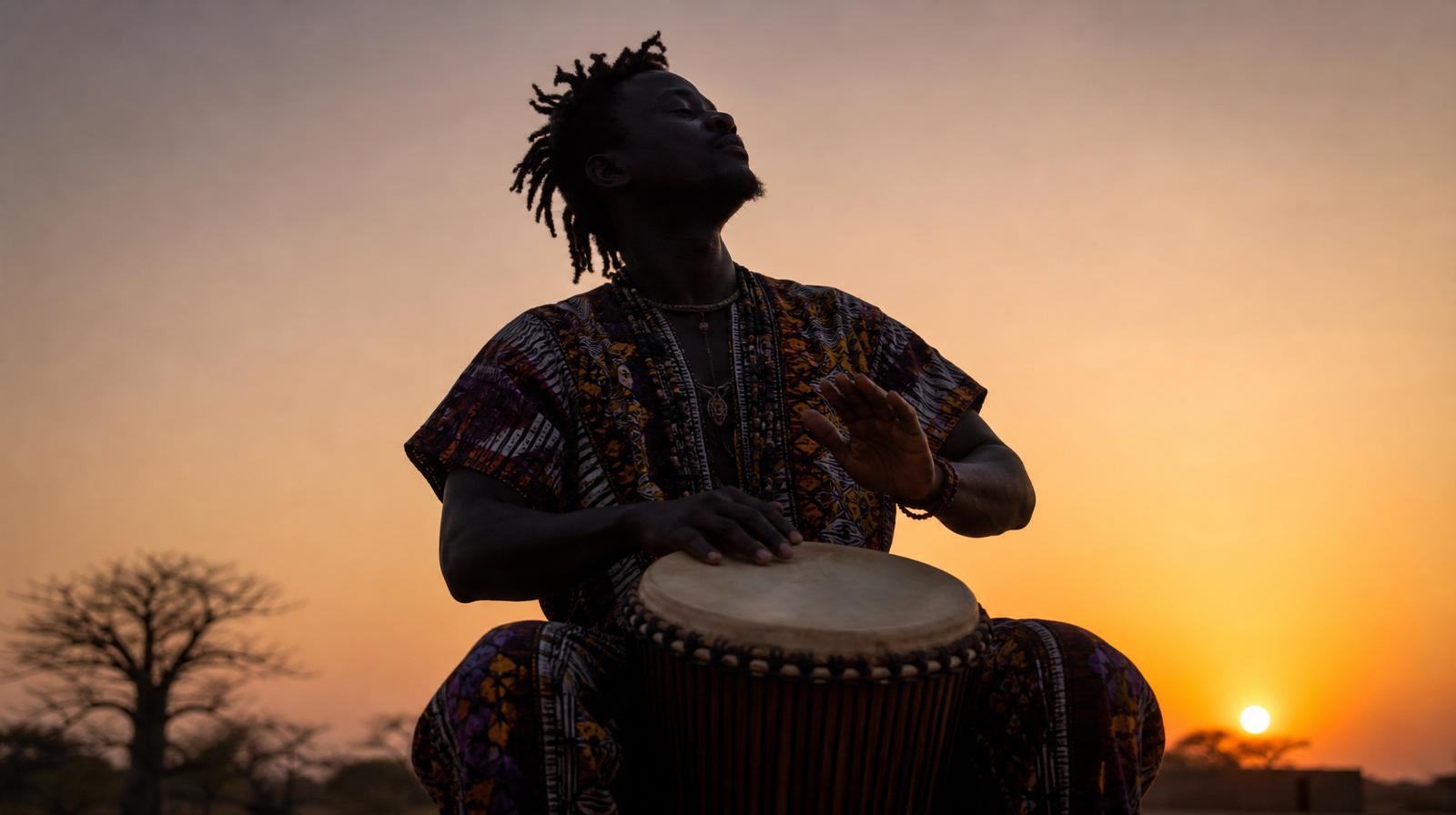
There is a primal magic that happens when a group of people gathers in a circle to share a heartbeat. Whether it is the resonant boom of a djembe or the sharp slap of a conga, drumming connects us in ways words cannot. If you are searching for upcoming drum circles, you are likely looking for more than just a musical performance—you are looking for community, stress relief, and a chance to express your inner rhythm.
Finding a circle can feel like discovering a secret society, but the rhythm community is one of the most welcoming on the planet. From full-moon beach gatherings to structured indoor workshops, here is everything you need to know about finding and participating in the next local beat.
Types of Upcoming Drum Circles to Look For
Not all drum circles are created equal. Depending on your experience level and what you hope to get out of the session, you might prefer one style over another.
- Community Drum Circles: These are often informal, grassroots gatherings in parks or community centers. They are usually free or donation-based and emphasize inclusive, improvisational play.
- Facilitated Drum Circles: A trained facilitator guides the group through specific rhythms and games. These are excellent for beginners because the leader helps keep the timing steady and teaches basic techniques.
- Spirituality & Healing Circles: Often timed with lunar cycles (like full-moon circles), these focus on the meditative and therapeutic aspects of drumming, frequently incorporating frame drums and gentle shakers.
- Performance-Based Circles: Some groups focus on specific traditions, such as West African Malinke drumming or Afro-Cuban styles. These may require a bit more experience with instruments like the dunun or bells.
Where to Find Local Drumming Events
If you are wondering where the nearest beat is happening, you don't have to rely on luck. The best way to stay updated on upcoming drum circles is to check dedicated community hubs.
Many facilitators list their upcoming events on regional calendars. You can also visit local music shops—particularly those specializing in hand percussion—as they often host flyers for nearby jams. Social media groups dedicated to "Community Drumming" or "Hand Percussion" are also goldmines for last-minute meetups.
For a more structured experience, consider looking into drumming retreats where you can immerse yourself in rhythm for a full weekend.
Essential Instruments for Your First Circle
You don't need a thousand-dollar setup to join in. Most upcoming drum circles are "BYOD" (Bring Your Own Drum), but many facilitators provide loaner instruments.
- Djembe: The most common drum in circles due to its wide range of tones (bass, tone, and slap).
- Congas: Great for deep, resonant tones and melodic patterns.
- Doumbek: A goblet-shaped drum from the Middle East that offers crisp, metallic sounds.
- Frame Drum: Perfect for those who prefer a lighter, more portable instrument with a spiritual history.
- Small Percussion: If you aren't ready to drum, bring a shaker, tambourine, or woodblock. These "auxiliary" sounds provide the "salt and pepper" that seasons the rhythm.
Drum Circle Etiquette for Beginners
Joining a circle for the first time can be intimidating, but following a few unwritten rules will make you a favorite in the group:
- Listen more than you play: Before jumping in, listen to the established beat for a minute. Find the "pulse" and try to support it rather than playing over it.
- Respect the center: The middle of the circle is often considered a sacred space or a place for dancers. Avoid walking through the center while the music is playing.
- Ask before playing someone else's drum: Drummers are often very protective of their skins (the drum heads). Always ask permission before trying out a neighbor's instrument.
- Follow the facilitator: If someone is leading the group, keep your eyes on them. They will use hand signals to indicate when to get louder, quieter, or stop entirely.
The Health Benefits of Joining a Circle
Searching for upcoming drum circles isn't just about the music; it's about wellness. Research has shown that group drumming can lower cortisol levels, reduce stress, and even boost the immune system. The act of synchronizing your movements with others creates a sense of "social entrainment," which fosters feelings of belonging and safety.
If you want to dive deeper into the technical side of these benefits, participating in sessions at drum schools can provide a foundation that makes the therapeutic aspects even more effective.
Preparing for Your First Event
Once you find a listing for an upcoming circle, do a quick check of the details. Is it outdoors? If so, bring a folding chair and water. Is it family-friendly? Many circles welcome children, but it’s always best to verify. If you feel you need a little help with your technique before showing up, reaching out to drum teachers for a single lesson can give you the confidence to play out loud.
Ready to find your beat?
Frequently asked
- Do I need to be a musician to join a drum circle?
- Absolutely not. Most community drum circles are open to all skill levels, including total beginners. The focus is on rhythmic exploration and community connection rather than technical perfection.
- What should I bring to an outdoor drum circle?
- Beyond your drum, you should bring a comfortable chair (without arms is best for drumming), plenty of water, and sun protection. If you don't have a drum, bring a small hand shaker or cowbell.
- Are children allowed at these rhythmic events?
- Most community circles are family-friendly and encourage children to participate. However, it is always polite to check the event description for 'all ages' or 'family-friendly' tags before attending.
Find a drum circle near you
Browse hundreds of circles, teachers and rhythm community gatherings.
Explore drum circles