Veterans Drum Circles: Rhythms of Healing and Connection
Discover how veterans drum circles provide a powerful outlet for healing, stress relief, and building camaraderie through collective rhythm.
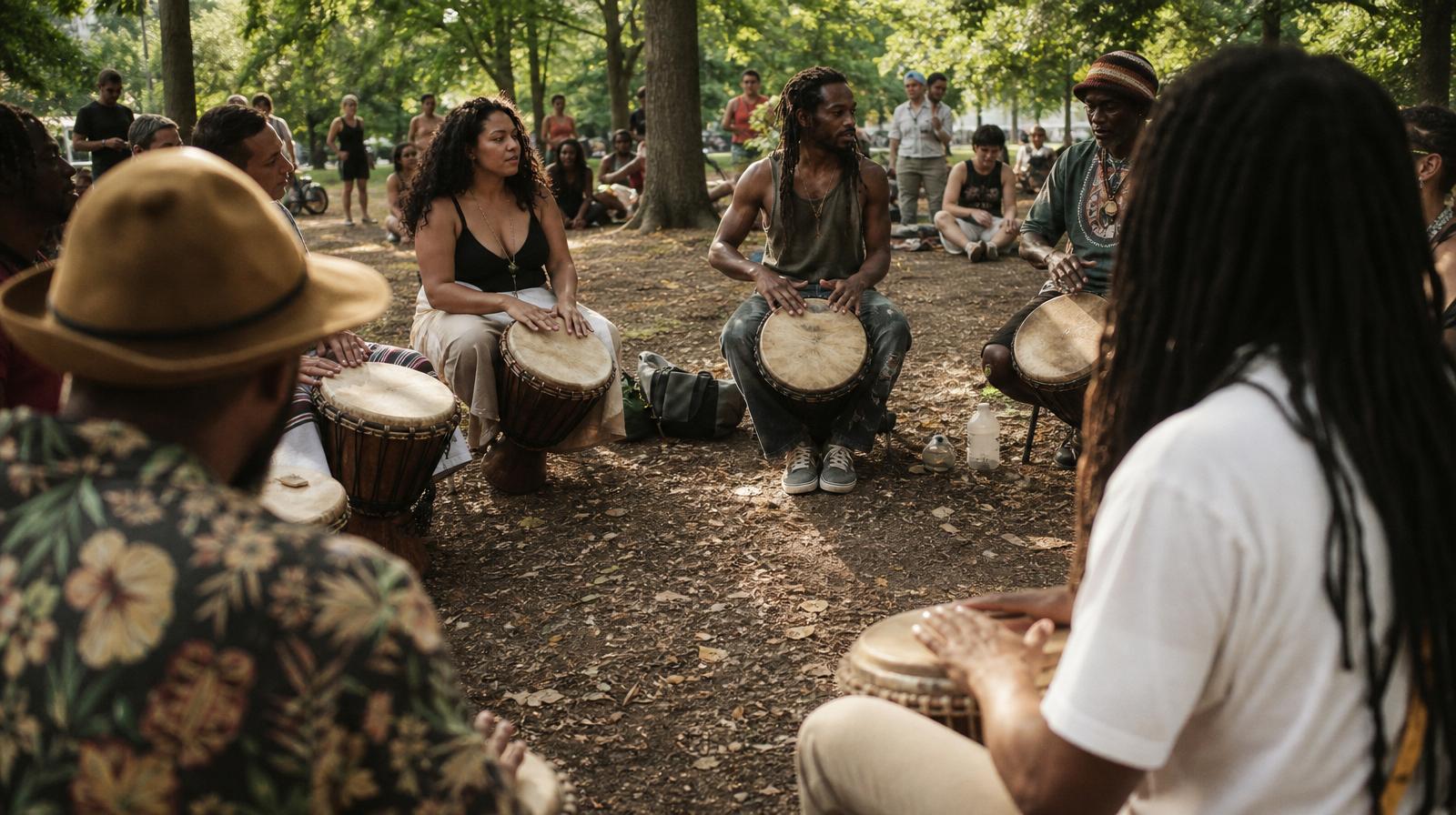
For many veterans returning from service, the transition to civilian life can feel like navigating a landscape without a map. The search for a sense of belonging, a way to process intense experiences, and a method to calm the nervous system is a common journey. This is where the ancient practice of the drum circle meets modern therapeutic needs.
A veterans drum circle is more than just a musical gathering; it is a rhythmic sanctuary. In these circles, the vibration of the djembe, the steady pulse of the dununs, and the sharp crack of the conga provide a non-verbal language for expression, grounding, and collective healing.
The Power of Rhythm for Veterans
Why does drumming resonate so deeply with the veteran community? At its core, drumming is physiological. When we drum, we engage the entire brain. For veterans managing the symptoms of PTSD, anxiety, or traumatic brain injury (TBI), the repetitive nature of rhythm acts as a neurological anchor.
Group drumming has been shown to reduce cortisol levels and increase the production of T-cells, boosting the immune system. More importantly, it helps regulate the "fight or flight" response. By focusing on a simple four-beat pattern on a frame drum, a veteran can pull their awareness away from intrusive thoughts and back into the present moment.
Breaking the Silence Without Words
One of the greatest challenges for many veterans is the difficulty of putting experiences into words. Traditional talk therapy is invaluable, but it can sometimes feel exhausting or confrontational.
In a drum circle, you don't have to explain your day or your past. You simply play. A call-and-response exercise led by a facilitator allows for a dialogue between instruments. One veteran might play a loud, aggressive beat on a doumbek to release frustration, while another responds with a soft, supportive rhythm on a shaker. This wordless communication fosters a deep sense of being heard and understood.
Building a New Kind of Platoon
The military is built on the foundation of the unit—a group of individuals working in perfect synchronization. When service ends, that sense of "oneness" often disappears.
A veterans drum circle recreates this dynamic in a healthy, creative environment. As the group locks into a groove, the individual ego fades, and the collective rhythm takes over. This "entrainment" helps rebuild the social bonds that are often frayed by isolation. Whether you are attending local events or joining a weekly community group, the drum circle becomes your new platoon.
Essential Instruments for the Circle
You don't need to be a professional musician to participate. Most veterans drum circles are beginner-friendly and provide instruments. However, knowing the tools can help you feel more comfortable:
- Djembe: The most common drum, known for its deep bass and sharp slap sounds.
- Dunun: Large, double-headed drums played with sticks that provide the "heartbeat" of West African rhythms.
- Frame Drum: A portable, ancient drum often used for meditative and steady pulsing rhythms.
- Congas and Bongos: Excellent for adding melodic, syncopated textures to the circle.
- Auxiliary Percussion: Shakers, bells, and woodblocks allow for participation without the physical demand of heavy drumming.
If you find yourself wanting to dive deeper into the technical side of these instruments, connecting with drum teachers who specialize in therapeutic rhythm can be a great next step.
What to Expect at Your First Veterans Drum Circle
If you are nervous about attending your first session, know that these spaces are designed to be low-pressure and inclusive. Most circles follow a basic structure:
- The Opening: A brief check-in or a simple grounding beat to get everyone in sync.
- Guided Rhythms: A facilitator might lead specific patterns to help the group find a common pulse.
- Free Expression: Periods where the group explores their own sounds and improvisations.
- The Closing: A gradual slowing of the tempo, often followed by a moment of silence or reflection.
These circles are frequently found at VA centers, community halls, or through specialized drum schools that offer outreach programs for the military community.
Finding Your Rhythm and Community
Healing is not a destination; it is a practice. For many, the drum becomes a lifelong companion in that practice. Whether you are looking for a high-energy session to release stress or a quiet, meditative circle to find peace, there is a seat for you at the drum.
If you're ready to experience the transformative power of the beat, you can find a drumming retreat or a local gathering tailored to your needs.
Find a drum circle near you and start your rhythmic journey today.
Frequently asked
- Do I need musical experience to join a veterans drum circle?
- No experience is necessary. Most veterans drum circles are designed for beginners and focus on the therapeutic and social benefits of rhythm rather than musical perfection. Facilitators will guide you through everything you need to know.
- Are instruments provided at these gatherings?
- In most cases, yes. Organizers typically provide a variety of drums and percussion instruments for participants to use. However, if you have your own djembe or frame drum, you are usually encouraged to bring it.
- How does drumming help with PTSD?
- Drumming helps by grounding the individual in the present moment through tactile and auditory stimulation. It can help regulate the nervous system, reduce anxiety, and provide a safe outlet for emotional release without requiring verbal communication.
Find a drum circle near you
Browse hundreds of circles, teachers and rhythm community gatherings.
Explore drum circles