Veterans Drumming Program: Healing Through Rhythm and
Discover how a veterans drumming program can reduce stress, foster connection, and provide a powerful outlet for healing through the ancient art of rhythm.
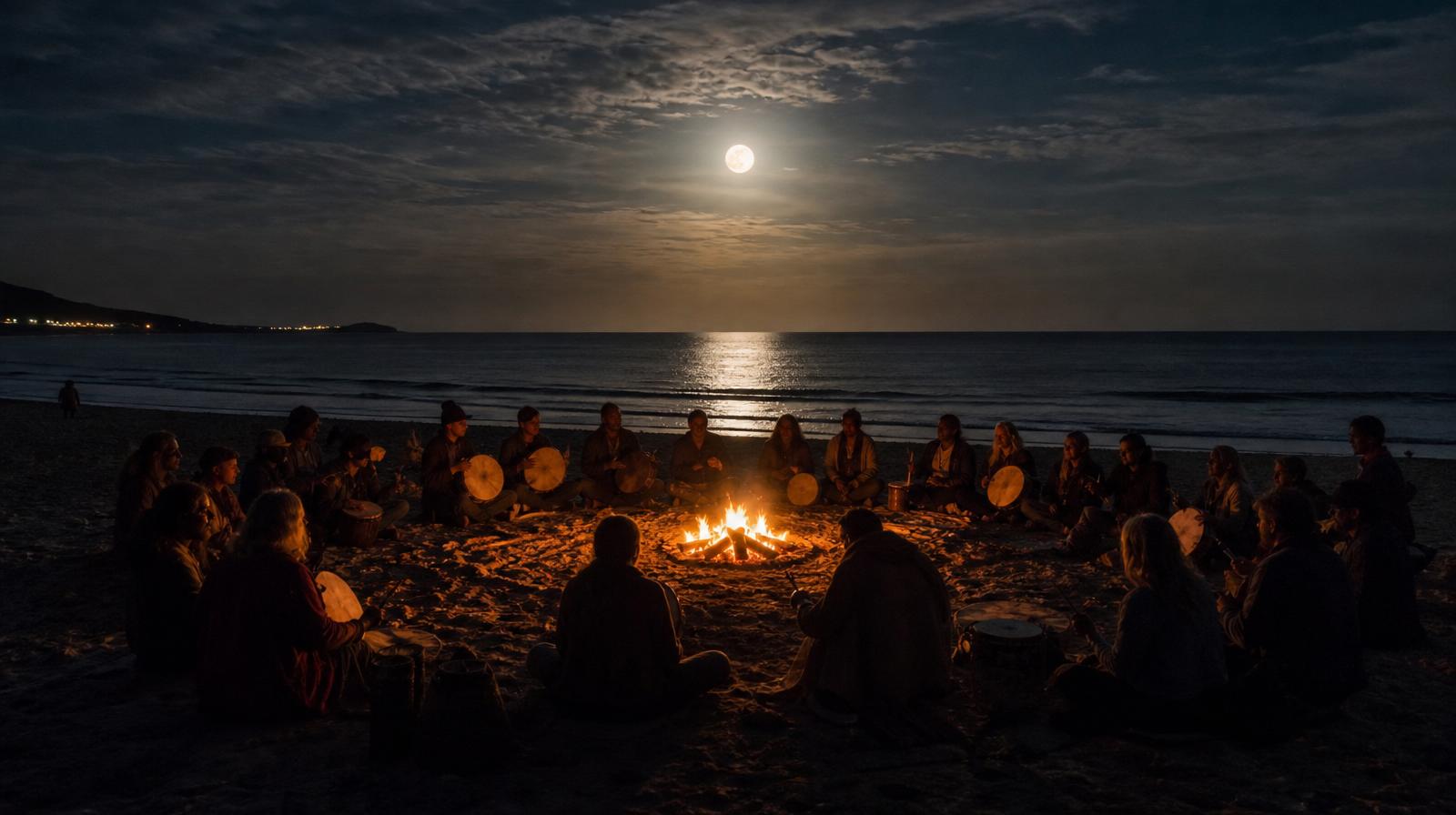
For many military veterans, the transition from active service to civilian life involves navigating a landscape of invisible challenges. Whether it is managing the symptoms of PTSD, dealing with social isolation, or simply finding a new sense of purpose, the journey can be complex. In recent years, a powerful, non-verbal tool has emerged as a cornerstone of holistic recovery: the veterans drumming program.
From the deep resonance of the djembe to the steady pulse of the conga, drumming offers a unique way for veterans to process experiences that words often fail to capture. Group drumming isn't just about making music; it is about reclaiming one's rhythm and finding a tribe once again.
The Science of Rhythm and the Veteran Brain
Research into music therapy has shown that rhythmic stimulation can have a profound impact on the human nervous system. For veterans who have experienced high-stress environments, the brain's "fight or flight" response can become stuck in the 'on' position.
Participating in a veterans drumming program helps down-regulate the nervous system. The repetitive nature of a beat acts as a form of mindfulness, grounding the participant in the present moment. Studies have indicated that group drumming can increase natural killer cell activity, boosting the immune system, and significantly reducing cortisol levels—the hormone primarily responsible for stress.
Breaking the Silence Without Words
One of the greatest hurdles in veteran mental health is the difficulty of traditional talk therapy. Sometimes, the events of combat or service are too heavy to articulate. This is where the drum comes in.
Instruments like the djembe or the frame drum allow for a physical release of emotion. In a facilitated drum circle, a veteran can express frustration, grief, or joy through the intensity and volume of their playing. This "non-verbal dialogue" allows for emotional processing without the pressure of finding the right words, making it an accessible entry point for those who might be hesitant to engage in other forms of support.
Building a New Kind of Platoon
In the military, the bond between service members is unbreakable. Losing that sense of camaraderie upon discharge can be devastating. A veterans drumming program recreates that sense of belonging.
- Shared Goal: Everyone works together to maintain a steady groove.
- Mutual Support: If one person loses the beat, the group carries them until they find it again.
- Equality: In a circle, there is no rank. Everyone’s voice (and drum) is equally important.
By joining local drum circles, veterans can connect with both civilians and fellow former service members, bridging the gap between their military past and their civilian future.
Popular Instruments in Veterans Programs
While any percussion instrument can be therapeutic, certain drums are staples in these programs due to their tactile nature and ease of use:
- Djembe: The West African djembe is popular for its wide range of tones—from deep bass to sharp slaps—allowing for a full spectrum of emotional expression.
- Congas: These offer a warm, grounding sound that is excellent for steady, meditative rhythms.
- Frame Drums: Often used in more contemplative or spiritual drumming sessions, these are lightweight and easy to hold.
- Dunun: These large bass drums, played with sticks, provide a powerful, thunderous foundation that can be very cathartic for participants.
What to Expect at Your First Session
If you are considering joining a veterans drumming program, you might feel a bit of trepidation. Rest assured, these sessions are designed to be inclusive and low-pressure. Most programs are led by trained facilitators who understand the specific needs of the veteran community.
Typically, a session begins with a basic check-in and an introduction to the instruments. You don't need to be a "musician" to participate. The facilitator might lead a simple call-and-response exercise to get everyone synchronized. Before long, the group is improvising, and the individual drums blend into a single, cohesive voice. Many veterans find that the focus required to stay on beat provides a welcome break from intrusive thoughts or anxiety.
Finding the Right Program for You
There are many ways to get involved in therapeutic rhythm. Some veterans prefer structured environments led by certified drum teachers who specialize in trauma-informed care. Others may look for more formal drum schools that offer specialized workshops for those looking to master the technical aspects of the instrument as a long-term hobby.
For those seeking a deeper immersion, drumming retreats can provide a multi-day experience away from the distractions of daily life, often combining drumming with other wellness practices like yoga or nature hikes.
The Long-Term Benefits of a Rhythmic Practice
The benefits of a veterans drumming program extend far beyond the hour spent in the circle. Participants often report:
- Improved Sleep: The physical exertion and mental relaxation of drumming lead to better rest.
- Increased Focus: Learning complex rhythms improves cognitive function and concentration.
- Enhanced Social Skills: Regular interaction in a safe, creative space helps rebuild confidence in social settings.
- Emotional Regulation: The drum becomes a tool that veterans can use at home to manage stress spikes.
Whether you are a veteran looking for a new way to heal, or a family member seeking a supportive community for a loved one, the power of the beat is waiting.
Find a drum circle near you by visiting our directory at /drum-circles.
Frequently asked
- Do I need prior musical experience to join a veterans drumming program?
- Absolutely not. Most programs are designed for beginners and focus on the therapeutic benefits of rhythm rather than technical mastery. Facilitators will guide you through basic techniques so you can participate immediately.
- How does drumming help with PTSD symptoms?
- Drumming induces a state of relaxation and mindfulness that helps quiet the 'amygdala,' the part of the brain responsible for the fear response. It provides a safe physical outlet for pent-up energy and helps ground the individual in the present moment, reducing flashbacks and anxiety.
- Are these programs free for veterans?
- Many veterans drumming programs are funded by non-profits or the VA and are offered at no cost to participants. Some community circles may ask for a small donation to cover instrument maintenance, but many offer scholarships or waivers for former service members.
Find a drum circle near you
Browse hundreds of circles, teachers and rhythm community gatherings.
Explore drum circles