
Virtual Drumming Circle Guide: Connect Through Rhythm Online
Discover how to join or host a virtual drumming circle to maintain community connection and rhythmic wellness from the comfort of your own home.
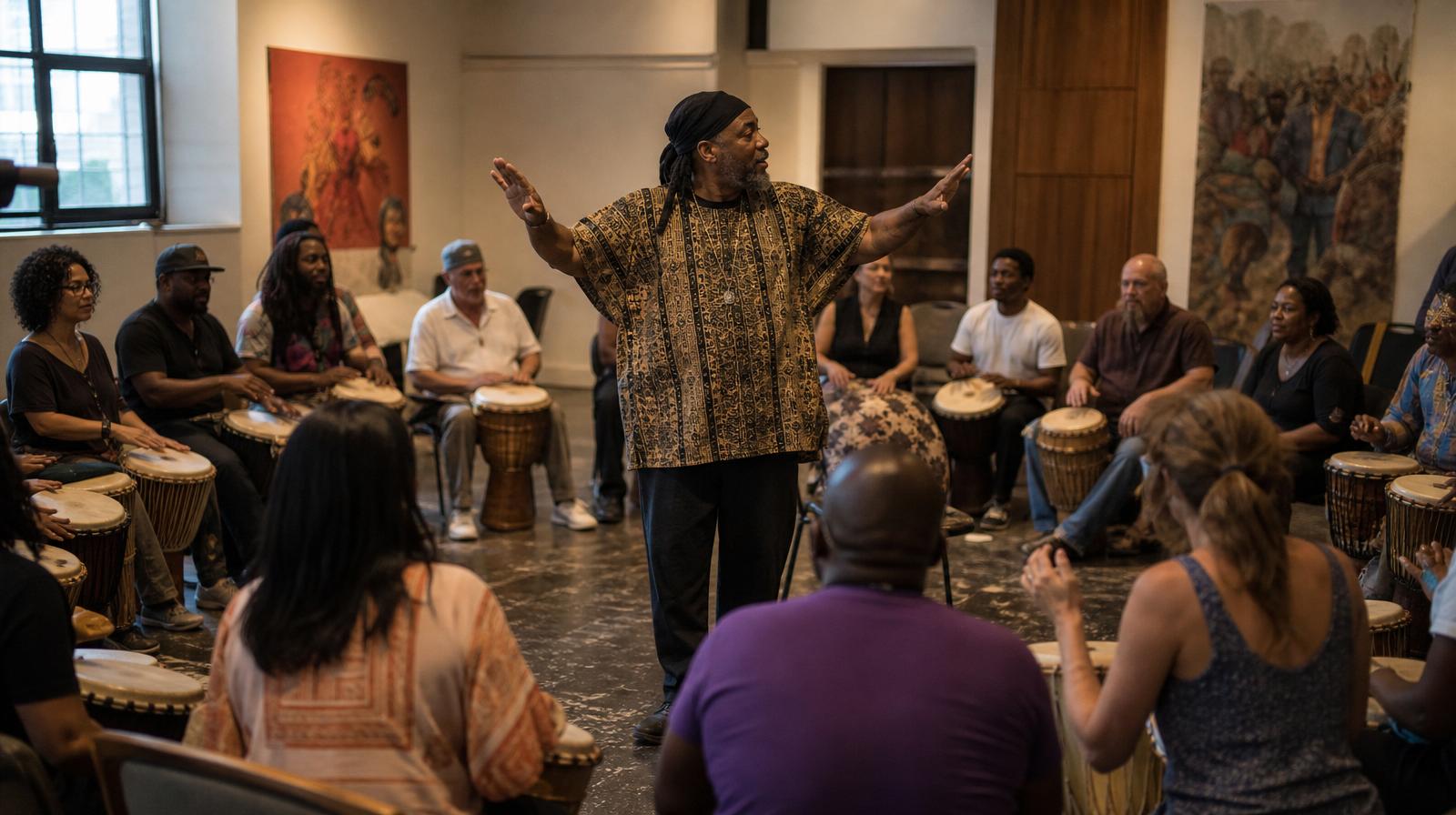
There is a unique magic that happens when a group of people strikes a drum in unison. Traditionally, this experience has been tied to physical presence—the vibration of the djembe felt in your chest, the shared eye contact across a fire, and the collective roar of a finale. However, the rise of the virtual drumming circle has proven that rhythm knows no physical boundaries.
Whether you are looking to bridge the gap during travel, connect with a specific drum teacher across the globe, or find a community from your living room, online rhythm gatherings offer a powerful way to stay in sync. This guide explores how these digital circles work, the gear you need, and how to maintain that essential human connection through a screen.
What is a Virtual Drumming Circle?
A virtual drumming circle is a facilitated rhythm event hosted via video conferencing platforms like Zoom, Jamulus, or social media live streams. Unlike a traditional circle where everyone hears each other in real-time without delay, the virtual environment requires a shift in mindset.
Because of internet latency (the slight delay in audio transmission), most virtual circles utilize a "follow the leader" or "muted participation" model. The facilitator plays a heartbeat or a specific pattern on a djembe or conga, and participants play along while muted. While it sounds solitary, the visual connection and the knowledge that hundreds of others are drumming the same pulse creates a profound sense of global unity.
The Benefits of Drumming Digitally
While we all crave the physical resonance of an in-person gathering, virtual circles offer unique advantages:
- Accessibility: People with mobility issues or those living in remote areas can participate in world-class events without traveling.
- Low Pressure for Beginners: If you are new to the doumbek or frame drum, being muted allows you to practice your technique without the fear of "messing up" the group sound.
- Global Networking: You can drum with masters from West Africa, Brazil, or the Middle East who you might never meet otherwise.
- Wellness at Home: Drumming is a proven stress-reducer. Having a scheduled virtual session provides a much-needed break from the daily grind.
Essential Gear for Online Rhythms
You don't need a professional recording studio to join a virtual drumming circle, but a few tweaks can significantly improve your experience.
Your Instrument
Any hand drum will work. Djembes are popular for their wide range of tones, while frame drums are excellent for those with limited space. If you don't have a drum, a sturdy plastic bucket or even your lap works perfectly for rhythmic meditation.
Audio Setup
Most laptop microphones are designed to filter out "background noise," which unfortunately includes the beautiful resonance of your drum. To fix this:
- Use External Mics: A simple USB microphone can capture the low-end bass of your drum much better than a built-in mic.
- Headphones are Mandatory: To hear the facilitator and the backing tracks clearly without feedback, use a pair of comfortable over-ear headphones.
- Enable High-Fidelity Audio: In Zoom settings, turn on "Original Sound for Musicians" to prevent the software from clipping your drumming volume.
Virtual Etiquette: How to Participate
Just like in-person circles, online gatherings have their own set of social norms. Following these ensures a smooth experience for everyone:
- Stay Muted Unless Invited: Unless the facilitator is using specialized low-latency software, keep your mic muted to avoid a chaotic cacophony of delayed beats.
- Use the Video: Part of the joy is seeing the smiles and movements of fellow drummers. If your bandwidth allows, keep your camera on.
- The Chat Box is Your Voice: Use the chat feature to offer encouragement, ask questions about a specific dunun pattern, or thank the facilitator.
- Visualize the Circle: Imagine the sound of the person in the video tile next to yours. This mental exercise helps bridge the digital gap.
Leading a Virtual Circle: Tips for Facilitators
Facilitating online requires more energy and clearer communication than in-person sessions. You are not just a rhythm leader; you are a digital host.
- Visual Cues are King: Since participants can't always hear the nuances of your playing, use large, exaggerated arm movements for starts, stops, and volume changes.
- Layer the Sound: Use high-quality backing tracks or a looper pedal to provide a steady foundation that participants can lock into.
- Focus on Community: Spend time at the beginning and end of the session for "check-ins." Ask people where they are tuning in from to emphasize the global reach of the community.
Overcoming the Latency Challenge
The "Holy Grail" of virtual drumming is real-time, unmuted collaboration. While standard video apps struggle with this, platforms like Jamulus or JackTrip are designed specifically for musicians. These require a wired ethernet connection and a bit of technical setup, but they allow for true call-and-response and improvisational jamming.
For most, however, the hybrid approach works best: the facilitator leads, and the community follows. It turns the experience into a collective meditation—a synchronized rhythmic prayer that transcends the screen.
Finding Your Next Online Beat
Many drum schools and independent facilitators have moved their weekly jams online. Whether you're looking for a full-moon ceremony or a technical workshop on Afro-Cuban rhythms, the digital landscape is vast.
Virtual drumming is more than just a placeholder for "the real thing." It is a new evolution of human connection. It allows us to maintain our rhythmic health, support our favorite teachers, and stay connected to the heartbeat of the world, no matter where we are.
Find a drum circle near you or join a global community today.
Frequently asked
- Can I participate in a virtual drumming circle without a drum?
- Absolutely! You can use common household items like a plastic bucket, a tabletop, or even clap your hands. The focus is on the rhythmic connection and community participation rather than the professional quality of your instrument.
- Why do I have to stay muted during an online drum circle?
- Internet latency causes a delay of a few milliseconds between every participant. If everyone unmuted at once, the sounds would be out of sync, making it impossible to find a common beat. Staying muted allows you to play along perfectly with the facilitator's lead.
- What is the best software for hosting a virtual drum circle?
- Zoom is the most common for its ease of use and 'Original Sound' feature for musicians. For those seeking real-time jamming without delay, specialized platforms like Jamulus or JackTrip are the preferred choices for experienced tech-savvy drummers.
Find a drum circle near you
Browse hundreds of circles, teachers and rhythm community gatherings.
Explore drum circles