Virtual Hand Drumming Classes: Master Rhythm from Your
Discover how virtual hand drumming classes are bridging the gap between global rhythm masters and your home studio, offering expert instruction for djembe, conga, and frame drum enthusiasts.
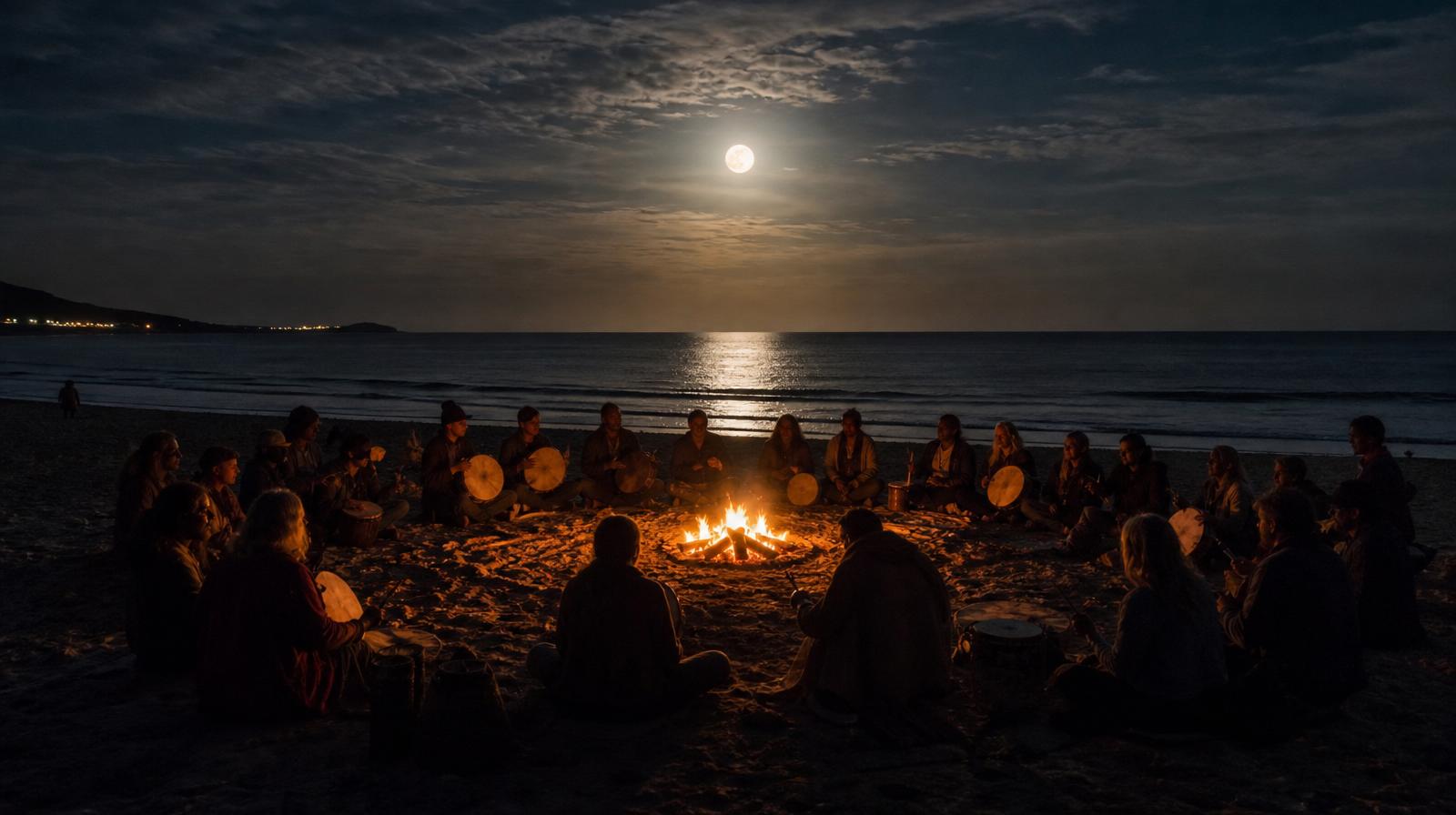
The rhythmic pulse of a drum has always been a communal experience, traditionally shared in person around a fire or in a village square. However, the digital age has ushered in a new era of percussion education. Today, virtual hand drumming classes have transformed how we learn, allowing students in remote areas to study with master drummers from West Africa, the Middle East, and beyond without ever leaving their homes.
Whether you are picking up a djembe for the first time or looking to refine your Tumbao on the congas, the world of online rhythm is vast and welcoming. In this guide, we explore how to choose the right virtual program, the gear you need, and how to maintain that essential sense of community in a digital space.
Why Choose Virtual Hand Drumming Classes?
The most significant advantage of virtual learning is access. In the past, if you wanted to learn the specific nuances of the doumbek or the intricate polyrhythms of the dunun, you were limited by the drum teachers available in your immediate zip code. Now, you can book a one-on-one session with a master in Guinea or attend a live-streamed workshop hosted by a conservatory in New York.
Beyond access, virtual classes offer:
- Flexibility: Many programs offer a mix of live Zoom sessions and pre-recorded modules that fit into a busy schedule.
- Perspective: You can switch between different styles—from Afro-Cuban to Middle Eastern—to find the rhythm that truly speaks to your soul.
- Cost-Effectiveness: Without the overhead of a physical studio, many online instructors offer competitive rates or tiered subscription models.
Essential Gear for Your Online Drumming Journey
While you don't need a professional recording studio to take virtual hand drumming classes, a few key pieces of equipment will significantly enhance your experience.
The Instrument
Most beginners start with a djembe because of its versatile range of tones—the deep bass, the mid-range tone, and the sharp slap. However, you might also consider a frame drum for its portability or a pair of congas if you are drawn to Latin rhythms. Ensure your drum is tuned before your session so your teacher can accurately hear your technique.
Audio and Video Setup
Built-in laptop microphones often struggle with the high decibels of a drum. If possible, use an external USB microphone to prevent the sound from clipping. Position your camera so the instructor can see both your face and your hands; this allows them to correct your posture and striking angle in real-time.
Finding the Right Instructor and Format
Not all virtual hand drumming classes are created equal. Depending on your learning style, you may prefer one of the following formats:
- One-on-One Private Lessons: Best for personalized feedback and rapid progression. This is ideal for correcting specific technical habits.
- Group Workshops: These mimic the feel of a drum circle and are great for learning how to hold a part while others play different rhythms.
- Subscription-Based Schools: Platforms like drum schools often provide a library of videos you can go through at your own pace, which is perfect for self-starters.
Mastering Technique: From Bass to Slap
In a virtual setting, the teacher cannot physically move your hands, so you must pay close attention to visual cues. Most virtual hand drumming classes focus on the three primary notes:
- The Bass: Played in the center of the drum with a flat hand, producing a deep, resonant boom.
- The Tone: Played at the edge of the drum with fingers together, creating a full, round sound.
- The Slap: The most challenging note, requiring a relaxed hand and a flicking motion to produce a sharp, high-pitched crack.
Your instructor will likely use call-and-response patterns to help you internalize these sounds. Listen closely to the "color" of the notes they produce and try to mimic them exactly.
Staying Connected to the Drumming Community
One fear people have about virtual hand drumming classes is the loss of the "vibe" found in a physical circle. To combat this, many online teachers host virtual "community jams" where students can play along to a backing track or participate in a rhythmic meditation.
While digital learning is fantastic for skill-building, we always encourage students to supplement their online education with local interaction. Check for local events or regional drumming retreats to put your new skills into practice with other humans in real-time.
Tips for Success in Online Learning
To get the most out of your tuition, treat your virtual space like a professional studio. Minimize distractions, use headphones to hear the nuances of the teacher's drum, and record your sessions if the platform allows it. Reviewing your own footage is often the fastest way to spot technical errors in your hand positioning.
Most importantly, be patient with yourself. Rhythm is a journey, not a destination. Whether you are learning for the health benefits of vibration or the joy of musical expression, the drum is a lifelong companion.
Ready to take your skills into the real world? Find a drum circle near you and start sharing your rhythm today.
Frequently asked
- Do I need a high-end drum to start virtual classes?
- No, a mid-range djembe or even a practice pad is enough to start. The most important thing is having an instrument that allows you to distinguish between bass, tone, and slap sounds so your teacher can guide your technique.
- Can I really learn hand drumming without a teacher being in the room?
- Yes! Modern high-definition video allows instructors to see your hand angles and posture clearly. Many students find that the ability to re-watch recorded lessons actually speeds up their learning process compared to in-person classes.
- How do I deal with audio lag in online group drumming?
- Lag is a reality of the internet. In group settings, teachers usually have students mute themselves while playing along to the teacher's lead. This ensures everyone stays on the same beat without the chaos of signal delay.
Find a drum circle near you
Browse hundreds of circles, teachers and rhythm community gatherings.
Explore drum circles