Volunteer Drum Circle Guide: Building Rhythm in Your
Learn how to organize, facilitate, or join a volunteer drum circle to bring the healing power of rhythm to schools, hospitals, and community centers.
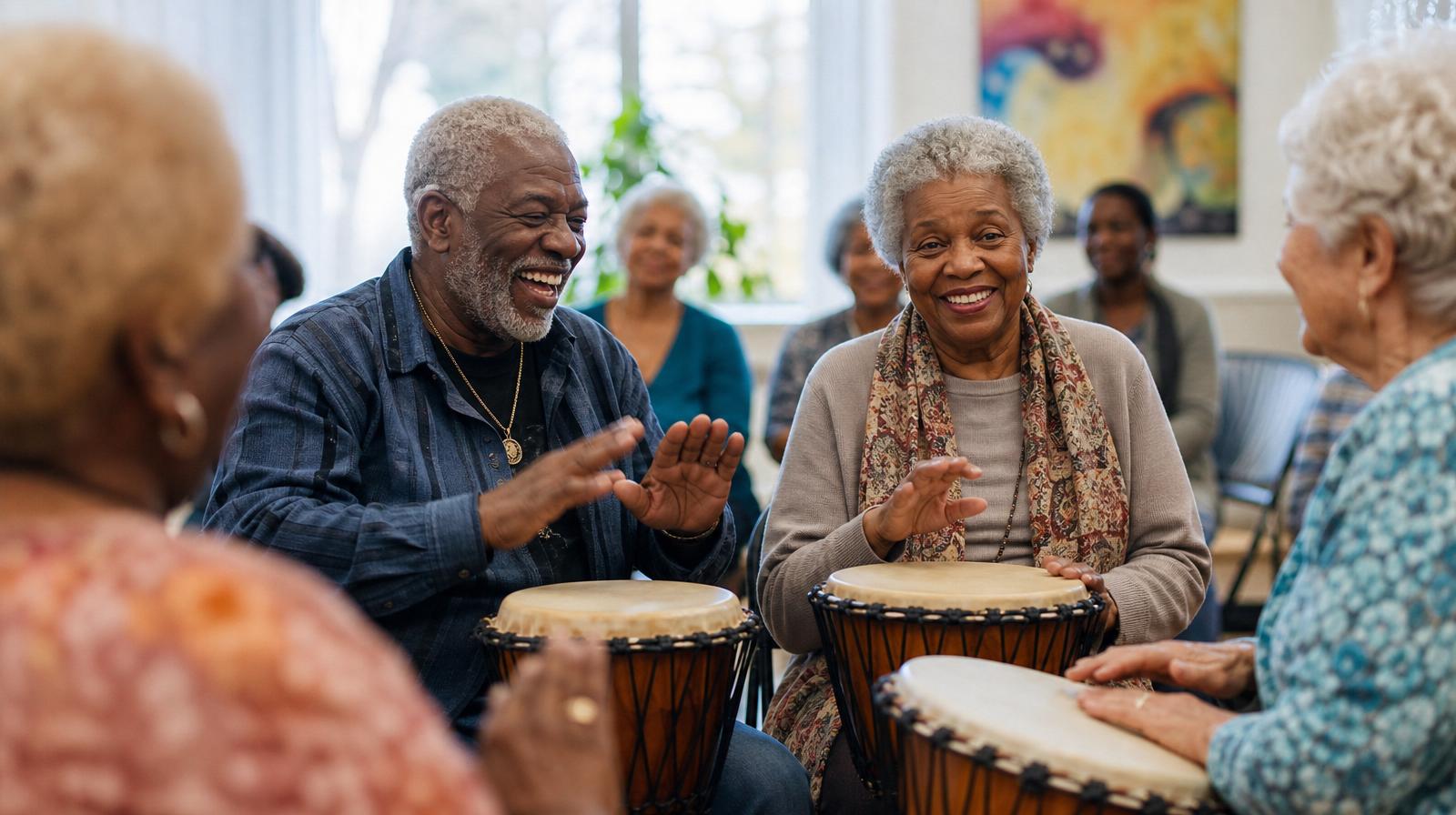
There is a unique magic that happens when a group of people, many of whom may have never met, sit in a circle and find a collective heartbeat. Drumming is one of the oldest forms of human connection, and today, the volunteer drum circle movement is transforming communities by bringing this ancient practice into modern spaces like nursing homes, schools, and public parks.
Whether you are a seasoned percussionist looking to give back or a beginner who wants to share the joy of rhythm, volunteering in a drum circle is a deeply rewarding experience. This guide explores how to navigate the world of volunteer drumming, from finding the right group to facilitating your first session.
Understanding the Volunteer Drum Circle Model
A volunteer drum circle differs from a professional performance or a paid corporate team-building event. Its primary goal is inclusivity and service. In these settings, the focus shifts away from technical perfection and toward social connection and emotional well-being.
Volunteer circles often serve specific populations, including:
- Healthcare Facilities: Bringing rhythm to hospitals or hospice care for stress relief.
- Senior Centers: Using light percussion to improve motor skills and combat isolation.
- Youth Programs: Teaching teamwork and listening skills through call-and-response.
- Public Festivals: Creating a family-friendly atmosphere where anyone can join in.
Essential Instruments for Community Volunteering
When you are packing your gear for a volunteer session, versatility and durability are key. You want instruments that are easy for non-drummers to play and that can withstand a variety of hands.
- The Djembe: The backbone of most circles. Its distinct "bass, tone, and slap" sounds are intuitive for beginners to learn.
- The Dunun: These large, cylindrical drums provide the grounding heartbeat of West African rhythms and are great for volunteers who can maintain a steady pulse.
- Frame Drums: Lightweight and approachable, frame drums are excellent for seated circles in clinical or elder-care settings.
- Auxiliary Percussion: Shakers, bells, and woodblocks allow those who might find a large drum intimidating to still participate fully in the rhythm.
If you are looking to improve your own technique before leading others, connecting with drum teachers can help you master these instruments so you can teach them effectively to others.
How to Find Volunteer Drumming Opportunities
Finding a place to serve is often as simple as looking in your own backyard. Many established rhythm communities have "outreach" wings specifically dedicated to volunteer work.
- Check Local Listings: Use the Drum Circle Directory to find existing groups in your area. Reach out to the facilitators and ask if they have a volunteer program or need assistants for community events.
- Contact Non-Profits: Local charities often look for unique entertainment or therapeutic activities. Offer a “rhythm taster” session to see if it’s a good fit.
- Faith-Based Groups: Many churches and spiritual centers host full-moon gatherings or community circles that rely entirely on volunteer coordination.
The Role of the Volunteer Facilitator
Facilitating a volunteer drum circle is less about being a "conductor" and more about being a "server." Your job is to make people feel safe enough to make a mistake. A good volunteer facilitator uses body language, eye contact, and simple verbal cues to guide the energy of the room.
Key Facilitation Techniques:
- The Rumble: Start with a low, chaotic roll to let everyone get their "noise" out before finding a beat.
- Call-and-Response: Play a simple four-beat pattern on your djembe and have the group echo it back. This builds immediate focus.
- Volume Control: Use hand signals to bring the volume down to a whisper, then gradually raise it back up to a crescendo. This teaches the group to listen to one another.
Many facilitators find that attending drumming retreats provides the necessary headspace and training to lead these community sessions with empathy and skill.
Etiquette and Best Practices for Volunteers
When you are representing the drumming community as a volunteer, etiquette is paramount. You are often the first point of contact someone has with a drum circle, so making a positive impression is vital.
- Respect the Space: If you are in a hospital or school, follow all facility rules regarding noise levels and scheduling.
- Support the Lead: If you are volunteering to help an established facilitator, stay in the background. Your job is to hold the steady beat so the facilitator can move around the circle.
- Inclusive Language: Avoid overly technical jargon. Instead of saying "play a syncopated 6/8 rhythm," say "follow the swing of the shaker."
- Instrument Care: Always ask before playing someone else’s drum, and encourage new participants to remove rings or jewelry that might damage the drumheads.
Overcoming Challenges in Volunteer Settings
Volunteer drumming isn't always easy. You may encounter participants who are shy, or environments that are acoustically challenging. The key is flexibility. If a group is struggling to find a rhythm, don't force a complex beat. Return to the "heartbeat"—a simple, steady pulse that everyone can tap along to.
If you find yourself in a situation where the energy is too high or chaotic, use a "stop-cut" (a clear visual signal to stop all playing) to reset the room. A moment of silence can be just as powerful as a loud drum beat.
The Long-Term Impact of Rhythmic Service
The benefits of a volunteer drum circle extend far beyond the hour spent drumming. For the participants, it’s an opportunity for self-expression and stress relief. For the volunteer, it’s a chance to witness the transformative power of rhythm firsthand.
Many volunteers eventually transition into professional facilitation or decide to deepen their studies by enrolling in drum schools to learn the cultural history and complex polyrhythms of the instruments they play.
By giving your time and rhythm, you are helping to weave a stronger social fabric. You are proving that everyone has a heartbeat, and therefore, everyone has a place in the circle.
Find a drum circle near you and start your volunteer journey today.
Frequently asked
- Do I need to be an expert drummer to volunteer in a drum circle?
- No, you do not need to be a professional. Most volunteer circles value a steady sense of rhythm and a heart for service over technical virtuosity. As long as you can hold a basic beat and follow a facilitator's lead, you can be a valuable volunteer.
- What should I bring to a volunteer drum session?
- Bring a reliable instrument like a djembe or cajon, and if possible, a few extra small percussion items like egg shakers or tambourines to share. It's also wise to bring a comfortable, armless chair or stool and plenty of water.
- How can I start a volunteer drum circle at a local nursing home?
- Start by contacting the activities director at the facility. Offer a free 30-minute demonstration. Focus on low-impact instruments and emphasize the social and cognitive benefits of rhythm for seniors.
- Is there a difference between a drum circle and a drum class?
- Yes. A drum class is focused on learning specific techniques and traditional rhythms from a teacher. A volunteer drum circle is about spontaneous, improvisational playing where the community creates the music together in the moment.
Find a drum circle near you
Browse hundreds of circles, teachers and rhythm community gatherings.
Explore drum circles