
Finding a Weekly Drum Circle in Asheville: The Ultimate Guide
Discover the heartbeat of the Blue Ridge Mountains with our guide to finding a weekly drum circle in Asheville, from Pritchard Park to private rhythmic gatherings.
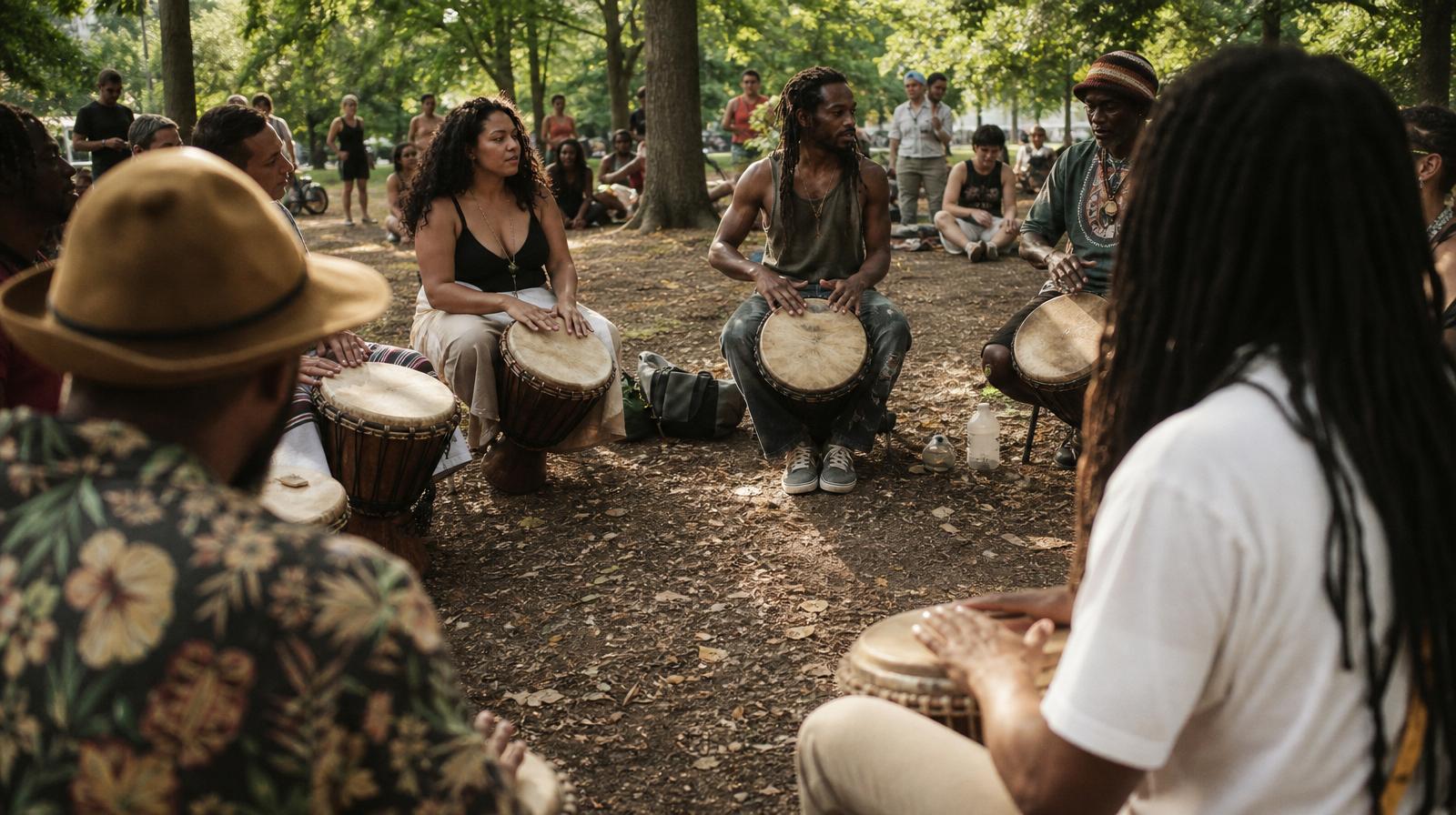
Asheville, North Carolina, is often called the 'rhythmic heart of the Southeast.' Between the mist-covered Blue Ridge Mountains and the vibrant downtown streets, there is a pulse that defines this city. If you are searching for a weekly drum circle in Asheville, you aren't just looking for a musical event; you are looking for a community tradition that has spanned decades.
From the world-famous Friday night gatherings to intimate indoor sessions during the winter months, Asheville offers a diverse array of opportunities to pick up a djembe or a pair of dununs and join the collective beat.
The Legend of the Pritchard Park Friday Night Drum Circle
When most people think of a weekly drum circle in Asheville, they immediately picture Pritchard Park. Located in the center of downtown at the intersection of Patton and College Streets, this amphitheater-style park becomes a cauldron of rhythm every Friday evening from April through October.
This gathering is the quintessential Asheville experience. It is free, open to the public, and entirely grassroots. You will see professional percussionists playing complex West African polyrhythms on congas and djembes alongside tourists shaking simple maracas or kids hitting plastic buckets. The energy is infectious, often drawing hundreds of spectators and dancers.
What to Expect at an Asheville Drum Circle
If you are new to the scene, the sheer volume and energy can be intimidating, but the Asheville community is notoriously welcoming. Here is a breakdown of what you’ll typically encounter:
- Diverse Instrumentation: While the djembe is the king of the circle, you will also hear the metallic ring of the agogô, the deep thud of the surdo, and increasingly, the ethereal melodies of the hand pan or hang drum.
- Dancers and Flow Artists: It is rarely just about the drumming. You will see hula hoopers, belly dancers, and fire spinners (at sanctioned events) moving to the beat.
- Multi-Generational Participation: It is common to see toddlers and retirees sharing the same rhythm space. It is a family-friendly environment where the only requirement is a respect for the pulse.
Beyond the Park: Indoor and Seasonal Circles
While Pritchard Park is the main attraction, the rhythm doesn't stop when the sun goes down or the weather turns cold. Several local studios and community centers host indoor sessions that offer a more focused environment.
Many local drum schools in the River Arts District or West Asheville offer facilitated circles. These are slightly different from the 'free-for-all' style of the park; a facilitator might lead the group through specific call-and-response patterns or help beginners find the 'one' in a complex time signature. These sessions are excellent for those who want to improve their technique while still enjoying the social aspect of drumming.
Etiquette for Joining the Circle
To ensure the weekly drum circle in Asheville remains a positive space for everyone, there are a few unwritten rules to follow:
- Listen First: Before you start playing, stand on the perimeter and listen to the established groove. Try to find a pocket where your sound complements the group rather than competing with it.
- Support the Bass: The big drums (dununs or tubanos) provide the heartbeat. If you are a beginner, try playing a simple, steady pulse that supports these lower frequencies.
- Ask Before Borrowing: Asheville drummers are generally friendly, but their instruments are often expensive and handmade. Never pick up someone else's drum without asking permission.
- Share the Space: If the circle is crowded, take turns. Step out for a few minutes to let someone else in, or move to the outer ring to play a smaller percussion instrument like a shaker or cowbell.
Health and Wellness Through Asheville’s Rhythms
Many locals attend a weekly drum circle in Asheville as a form of 'mountain medicine.' The therapeutic benefits of group drumming are well-documented, ranging from stress reduction to improved immune function. In a city known for its holistic healing arts, drumming is viewed as a vital practice for mental health.
If you are looking for a more meditative experience, keep an eye out for full-moon circles or 'rhythm churches' that pop up in the surrounding woods. These gatherings often focus on the spiritual side of percussion, utilizing frame drums and soft mallets to create a trance-like atmosphere.
Finding Your Tribe and Improving Your Skills
If the weekly circles inspire you to take your playing to the next level, Asheville is home to some of the finest drum teachers in the country. Many of these instructors specialize in specific traditions, such as Afro-Cuban conga techniques or traditional Mande drumming from West Africa.
For those visiting from out of town, you can often find local events listed in community calendars that coincide with your trip. Whether you are a seasoned pro or have never touched a drum head in your life, the Asheville rhythm scene has a place for you.
Find a drum circle near you by visiting our global directory at /drum-circles.
Frequently asked
- When does the Pritchard Park drum circle start?
- The Pritchard Park drum circle typically begins around 6:00 PM every Friday from April through October. It usually lasts until about 9:00 PM or until the park's noise ordinance kicks in, though the energy often peaks around sunset.
- Do I need to bring my own drum to join in Asheville?
- While it is best to bring your own instrument, it is not strictly required. You can often find people willing to share smaller percussion items, or you can simply participate by dancing and clapping. If you plan to attend regularly, investing in a djembe or frame drum is highly recommended.
- Are the Asheville drum circles kid-friendly?
- Yes, the weekly drum circles in Asheville are very family-friendly. Children are encouraged to participate, and you will often see kids dancing in the center of the circle or playing along with shakers. Just be mindful of the volume, as it can get quite loud for very young ears.
Find a drum circle near you
Browse hundreds of circles, teachers and rhythm community gatherings.
Explore drum circles