
The Power of the Weekly Drum Circle: Find Your Rhythm Every
Discover how joining a weekly drum circle can transform your stress levels, improve your musicality, and connect you with a vibrant local community.
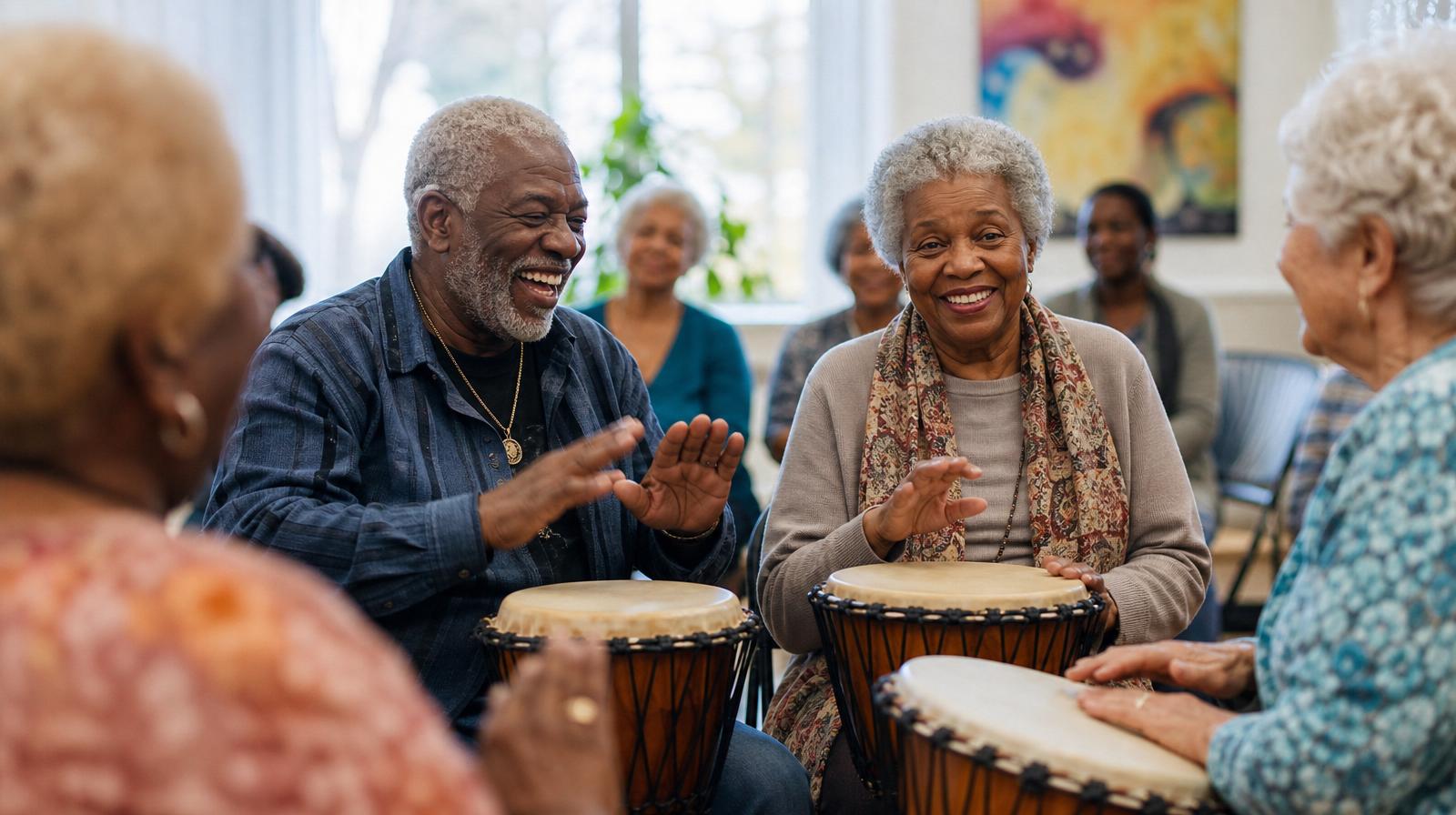
There is a unique magic that happens when a group of people gathers in a circle, instruments in hand, to create a collective heartbeat. While a one-off workshop is exciting, the true transformation happens when you commit to a weekly drum circle. This regular rhythm becomes a sanctuary—a place to shed the stresses of the workweek and plug into a primal, grounding energy.
Whether you are a seasoned percussionist or someone who has never touched a djembe, the weekly circle offers a space for growth, healing, and deep connection. In this guide, we explore why a recurring rhythm practice is essential and how you can make the most of your local community gatherings.
Why Consistency Matters in Drumming
Like any practice, from yoga to painting, the benefits of drumming are cumulative. When you attend a weekly drum circle, you move past the initial 'newbie' nerves and begin to develop a deeper relationship with your instrument.
Consistency allows your muscle memory to take over. You stop thinking about where your hands land on the goatskin and start listening to the space between the notes. Over time, the group develops a 'collective ear,' learning to anticipate shifts in tempo and volume without a word being spoken.
Health and Wellness Benefits of a Weekly Rhythm
Science has caught up with what indigenous cultures have known for millennia: group drumming is medicine. Engaging in a weekly drum circle has been shown to:
- Reduce Cortisol: The physical act of drumming releases tension and lowers stress hormones.
- Boost Immunity: Studies suggest that group drumming increases 'Natural Killer' cell activity, helping the body fight viruses.
- Social Connection: Regular attendance combats loneliness, providing a consistent support network of like-minded individuals.
- Mindfulness: It is nearly impossible to worry about the future when you are focused on a complex polyrhythm in the present moment.
Common Instruments You’ll Encounter
While every circle is different, you will likely see a beautiful variety of percussion instruments. If you are looking to purchase your own, you might consult drum teachers to find the right fit for your style. Typical instruments include:
- Djembe: The most popular drum in circles, known for its deep bass and sharp slaps.
- Congas: Tall, narrow drums that provide a melodic, warm tone.
- Dunun: The heartbeat of West African ensembles, usually played with sticks.
- Frame Drums: Ancient instruments that are portable and offer a mystical, resonant sound.
- Auxiliary Percussion: Shakers, bells, and woodblocks that add texture and 'seasoning' to the groove.
Weekly Drum Circle Etiquette for Beginners
If you are joining a new group, a little etiquette goes a long way in maintaining the 'vibe.' Most circles are welcoming, but following these unwritten rules ensures a great experience for everyone:
- Listen More Than You Play: Before jumping in with a loud solo, listen to the established pulse. Find your place within it.
- Support the Bass: The low notes are the foundation. If the rhythm feels shaky, return to a simple bass beat to help ground the group.
- Ask Before Playing Someone Else’s Drum: Many drummers have a personal connection to their instruments. Always ask before trying out a neighbor's doumbek or conga.
- Watch the Facilitator: Many weekly circles have a facilitator who uses hand signals to change the volume or start a call-and-response. Staying attentive keeps the music dynamic.
Finding Your Local Tribe
Many people start their journey by searching for local events in community centers, parks, or yoga studios. A weekly drum circle is often the heart of a local music scene, serving as a hub for those interested in drum schools and formal training.
Don't be afraid to try a few different circles. Some may focus on traditional West African rhythms, while others are 'free-form' and improvisational. Finding the right cultural and musical fit is part of the adventure.
Taking the Next Step: Retreats and Mastery
Once you have caught the 'rhythm bug' through your weekly practice, you might find yourself wanting to dive deeper. Many regular circle participants eventually seek out drumming retreats to immerse themselves in rhythm for a weekend or longer. These retreats often feature master drummers who can take your technique to the next level, which you can then bring back to your local weekly circle.
Conclusion
A weekly drum circle is more than just a musical gathering; it is a weekly tune-up for the soul. It reminds us that we are part of something larger than ourselves. Whether you are playing a high-pitched djembe slap or a steady dunun pulse, your voice matters in the circle.
Find a drum circle near you by visiting our drum circle directory.
Frequently asked
- Do I need to own a drum to join a weekly drum circle?
- Not necessarily. Many community circles provide 'loaner' instruments or have a bucket of extra shakers and bells. However, it is always best to check the event description or contact the facilitator beforehand to ensure there are enough instruments to go around.
- What should I wear to a drum circle?
- Comfort is key. Wear loose-fitting clothing that allows you to move your arms freely and sit comfortably for an hour or two. Avoid wearing rings, watches, or large bracelets, as these can damage the drum head and hurt your hands during play.
- Are children welcome at weekly drum circles?
- Most community drum circles are family-friendly and welcome all ages. However, some circles are specific to adults or therapeutic settings. Look for 'family-friendly' or 'all-ages' in the listing to ensure the environment is appropriate for younger drummers.
Find a drum circle near you
Browse hundreds of circles, teachers and rhythm community gatherings.
Explore drum circles