Wellness Retreat Drumming: Find Healing Through Rhythm
Discover how wellness retreat drumming combines ancient rhythm practices with modern self-care to reduce stress and build community.
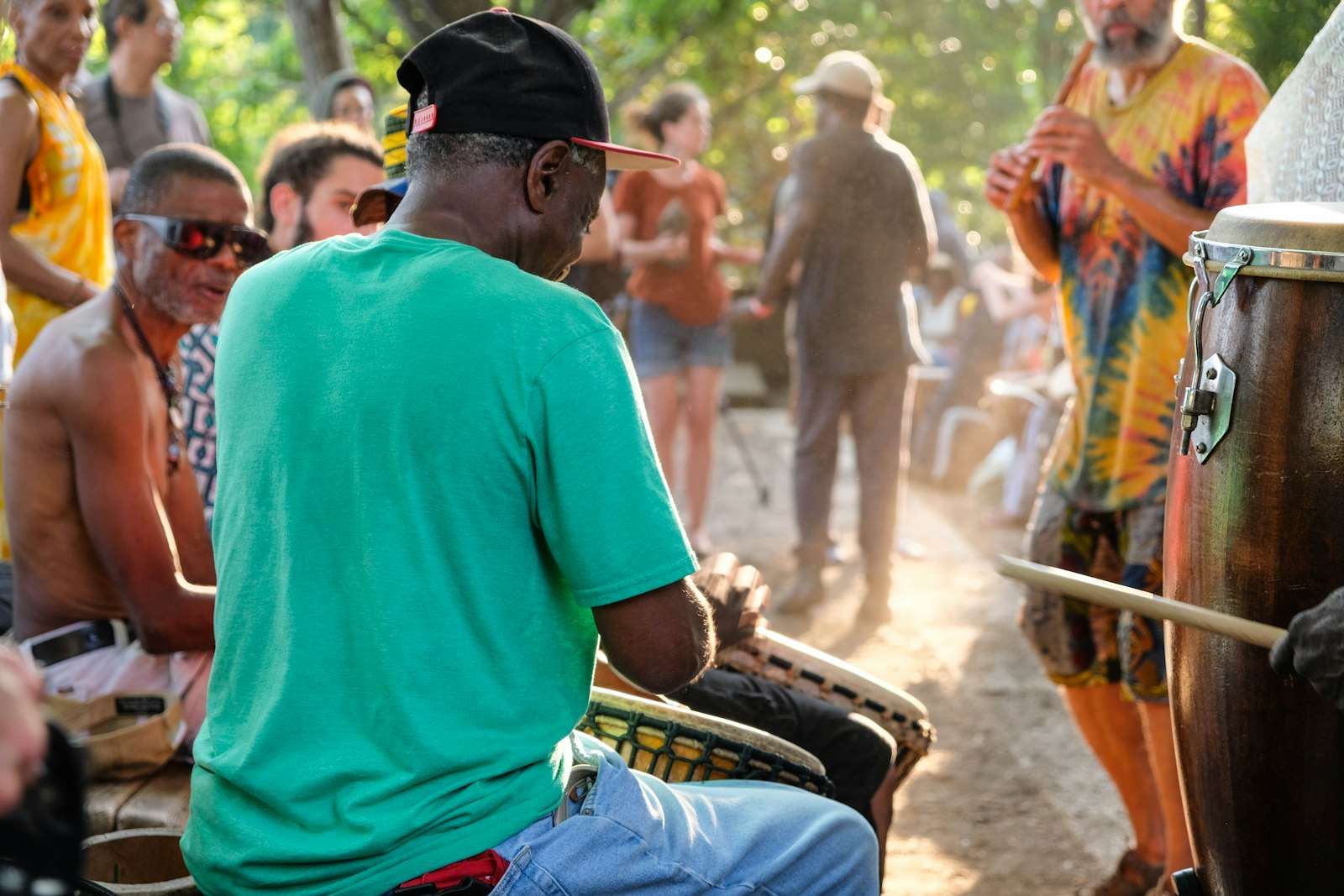
In an increasingly digital and disconnected world, many seekers are turning back to the oldest form of human communication: the drum. Wellness retreat drumming has emerged as a powerful pillar of the modern holistic health movement, blending the physical act of playing an instrument with the psychological benefits of community and mindfulness.
Whether it is the deep, resonant bass of a djembe or the hypnotic, steady pulse of a frame drum, rhythm has a way of bypassing the analytical mind and speaking directly to the nervous system. In this guide, we explore why rhythmic retreats are becoming the go-to choice for those looking to reset their mental health and reconnect with their inner pulse.
The Science of Rhythm and Wellness
Why does drumming feel so good? It isn’t just about the music; it is about biology. Research has shown that group drumming can significantly lower cortisol levels, the hormone responsible for stress. When you participate in a wellness retreat focused on rhythm, you are engaging in a practice that synchronized the left and right hemispheres of the brain.
This synchronization, often called "entrainment," helps participants enter a flow state. In this state, the chatter of daily anxieties fades away, replaced by a singular focus on the beat. For many, this provides a deeper form of meditation than sitting in silence ever could.
What to Expect at a Drumming Retreat
If you have never attended a rhythm-based retreat, the experience can be incredibly liberating. Unlike a formal conservatory or a strict music class, wellness-focused drumming emphasizes expression over perfection.
Typically, these retreats are held in serene environments—think mountain lodges, coastal villas, or forest sanctuaries—where the natural sounds of the environment complement the percussion. A typical day might include:
- Morning Grounding: Gentler rhythm sessions using frame drums or shakers to wake up the body.
- Skill-Building Workshops: Learning the basic strokes (bass, tone, and slap) on a djembe or conga.
- Community Circles: Facilitated drum circles where the group creates an improvised piece of music together.
- Restorative Practice: Sound baths or guided meditations accompanied by the soft resonance of a buffalo drum or singing bowls.
Common Instruments Used in Wellness Drumming
While any percussive instrument can be used for healing, certain drums are staples in the retreat world due to their accessibility and tonal qualities:
- The Djembe: This West African drum is the heart of most circles. Its wide range of sounds makes it perfect for expressing a variety of emotions.
- The Frame Drum: One of the world's oldest instruments, often associated with feminine traditions and spiritual journeying. Its light weight makes it ideal for long, meditative sessions.
- Dunun (Doundoun): These large, double-headed drums provide the deep, grounding heartbeat of a rhythm, often played with sticks.
- Doumbek: A goblet-shaped drum from the Middle East, known for its crisp, sharp sounds that help sharpen mental focus.
The Power of the Facilitated Circle
A key component of wellness retreat drumming is the facilitator. Unlike a traditional bandleader, a facilitator is there to ensure everyone feels safe to express themselves. They use techniques like call-and-response to build confidence in beginners and help the group find a cohesive "groove."
In these circles, there are no mistakes—only variations. This philosophy is a core part of the healing process, as it allows participants to let go of their inner critic and embrace their authentic voice. If you're looking for professional guidance before heading to a retreat, you can find experienced drum teachers who specialize in therapeutic rhythm.
Building Community Through Shared Beats
Isolation is one of the biggest contributors to modern malaise. Wellness retreats combat this by fostering "communitas"—the sense of equality and togetherness that arises during a shared ritual. When twenty people hit a drum at the same time, the barriers of age, profession, and background disappear.
Many participants find that the friendships formed at a drumming event are deeper and more immediate than those made in daily life. There is a profound level of trust required to play music with others, and that trust translates into a supportive community environment.
Integrating the Experience at Home
The goal of any wellness retreat is to provide tools you can use long after the retreat ends. Many practitioners find that even ten minutes of drumming a day at home can maintain the sense of peace found during their travels.
To keep the momentum going, we recommend attending local drum schools or joining a community circle in your area. This ensures that the "retreat high" becomes a sustainable part of your lifestyle.
Finding Your Perfect Rhythm Retreat
Choosing the right retreat depends on your personal goals. Are you looking for a rigorous technical workshop, or a soft, spiritual healing experience? Some retreats focus on the indigenous roots of the music, offering cultural immersion alongside the wellness benefits, while others are more focused on the clinical aspects of music therapy.
No matter which path you choose, the result is often the same: a renewed sense of energy, a clearer mind, and a heart that beats in time with the world around it.
Find a drum circle near you to start your journey into the world of healing rhythm.
Frequently asked
- Do I need to be a musician to attend a wellness drumming retreat?
- Absolutely not. Most wellness retreats are designed for all skill levels, including complete beginners. The focus is on the therapeutic and meditative qualities of rhythm rather than technical mastery or performance.
- What should I bring to a drumming retreat?
- Most retreats provide instruments, though you are often welcome to bring your own djembe or frame drum. You should also bring comfortable clothing, a water bottle, and an open mind ready for community connection.
- Is drumming actually a form of exercise?
- Yes, drumming can be quite physical! It engages the core, arms, and back, and can even provide a moderate aerobic workout during high-energy sessions, all while improving hand-eye coordination and motor skills.
- How do I find a reputable drumming retreat?
- Look for facilitators with experience in music therapy or community drum circle facilitation. Checking directories and reading reviews from past participants can help you find a retreat that aligns with your wellness goals.
Find a drum circle near you
Browse hundreds of circles, teachers and rhythm community gatherings.
Explore drum circles