
West African Drum Circle: Rhythm, Community, and Tradition
Discover the deep cultural roots, essential instruments, and communal spirit of the West African drum circle in this comprehensive guide.
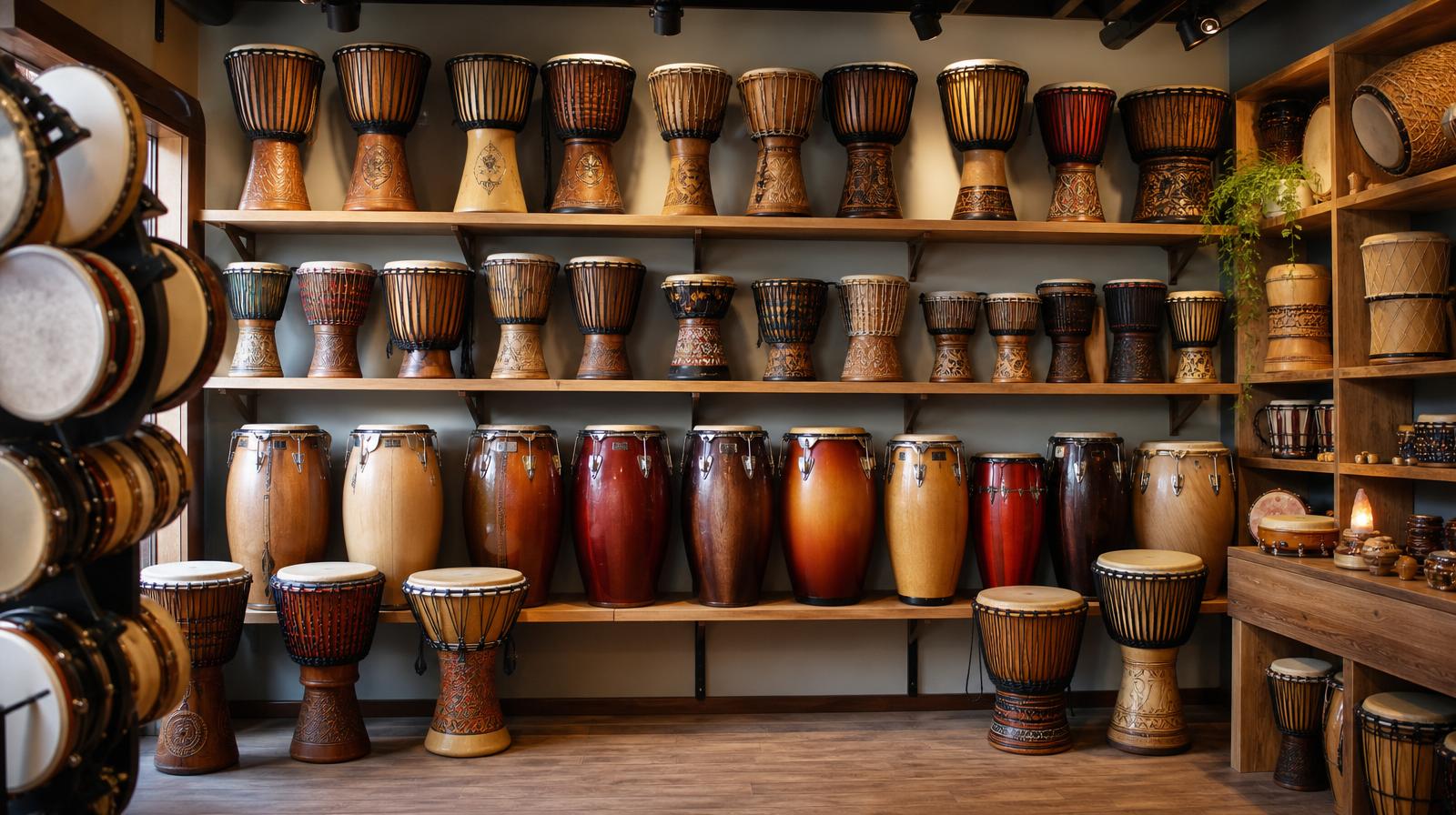
The sound of a West African drum circle is unmistakable. It is a polyphonic conversation where the high-pitched crack of a djembe meets the deep, melodic pulse of the dununs. Unlike a generic jam session, a West African drum circle is often rooted in centuries of tradition, specifically from the Mandingue empire of West Africa (modern-day Guinea, Mali, Senegal, and Ivory Coast).
In these circles, rhythm is more than just music; it is a language used to celebrate harvests, weddings, and rites of passage. Whether you are a seasoned percussionist or a curious beginner, understanding the nuances of these gatherings will deepen your appreciation for the craft and the community it builds.
The Heartbeat: Essential Instruments
To participate in or appreciate a West African drum circle, you must first understand the primary instruments that create its unique landscape. These drums are rarely played in isolation; they function as a family.
- The Djembe: The most famous of the West African drums, the djembe is a goblet-shaped drum carved from a single piece of hardwood and topped with a goat skin. It is known for its wide range of tones: the deep bass, the mid-range tone, and the sharp, high-pitched slap.
- The Dunun (Doundoun): These are the foundational cylinders that provide the melody and pulse. A full set usually includes the Dundunba (the largest, deepest drum), the Sangban (the middle drum and the heart of the rhythm), and the Kenkeni (the smallest, highest-pitched drum). They are typically played with sticks and often have a bell attached to the top.
- The Shekere: A dried gourd covered in a woven net of beads or seeds, used to provide a constant rhythmic shimmer that cuts through the heavy drumming.
The Structure of a Traditional Circle
While modern Western "drum jams" are often free-form, a traditional West African drum circle usually follows a specific structure led by a lead drummer or a master teacher. This structure ensures that the complex polyrhythms—multiple rhythms played simultaneously—fit together perfectly.
Most sessions begin with a "signal." This is a specific rhythmic phrase played by the lead djembe that tells the group when to start, when to change tempo, or when to stop. If you are looking to master these signals, connecting with professional drum teachers is the best way to learn the specific vocabulary of the Mandingue tradition.
Call-and-Response: The Rhythmic Dialogue
One of the most beautiful aspects of this drumming style is the call-and-response. The lead drummer may play a "call"—a rhythmic question—and the rest of the circle responds with a specific phrase. This creates a powerful sense of unity.
In a community setting, this often extends to the dancers. In West Africa, the drum and the dance are inseparable. The lead drummer watches the dancer's feet, accenting their movements with sharp "breaks," while the dancer responds to the energy of the drums. This feedback loop is the soul of the gathering.
Etiquette for Newcomers
If you are attending your first West African drum circle, a little etiquette goes a long way in showing respect for the tradition and the other players.
- Listen First: Before you start playing, listen to the dunun part. That is the anchor. Try to find the "one" (the downbeat) before you strike your drum.
- Respect the Lead: If a lead drummer is setting the pace, don't try to play over them or speed up the rhythm.
- Ask Before Joining: If you see a circle in a park or community space, it’s polite to catch the eye of a regular member and give a nod before sitting down.
- Care for the Instruments: If you are borrowing a djembe, remove rings and watches to avoid scratching the wood or tearing the skin.
For those who want to dive deeper into the technical aspects of these rhythms, enrolling in drum schools can provide a structured environment to learn the history and technique properly.
The Power of Community and Healing
Beyond the music, the West African drum circle serves as a vital tool for social cohesion. In a world that can often feel isolating, the circle offers a space where everyone is equal and every voice (or beat) matters.
There is also a significant wellness component. The repetitive nature of the djembe's bass and the dunun's pulse can induce a meditative state, reducing stress and promoting mental clarity. Many practitioners find that these gatherings are as much about emotional release as they are about musical performance.
Taking the Next Step: Retreats and Events
For many, a weekly local circle is just the beginning. To truly immerse yourself, consider attending dedicated events or percussion festivals. These gatherings often feature master drummers from West Africa who share not only the rhythms but the stories and cultural contexts behind them.
If you are looking for a transformative experience, drumming retreats offer the chance to spend several days or even weeks focused entirely on the craft, often in beautiful natural settings that mirror the outdoor communal spirit of the original traditions.
Finding Your Rhythm
Whether you are playing a djembe you bought on a whim or a professional-grade instrument, the West African drum circle welcomes you. It is a living tradition that continues to evolve while staying anchored in its rich history. By participating, you aren't just making noise; you are joining a global lineage of rhythm-makers.
Find a drum circle near you and start your journey today.
Frequently asked
- Do I need my own djembe to join a West African drum circle?
- Many community circles provide extra drums for beginners, but it is always best to check in advance. If you plan on attending regularly, investing in your own djembe allows you to practice at home and become familiar with your drum's unique voice.
- What is the difference between a drum circle and a drum class?
- A drum class focuses on technical instruction, rhythm history, and repetitive practice under a teacher's guidance. A drum circle is generally more focused on the communal experience and the application of those rhythms in a social, celebratory setting.
- Are West African drum circles family-friendly?
- In almost all cases, yes. The tradition is inherently multi-generational, often involving children, parents, and elders. However, it is always a good idea to check if a specific local gathering is designated as a 'family-friendly' or 'all-ages' event.
Find a drum circle near you
Browse hundreds of circles, teachers and rhythm community gatherings.
Explore drum circles