What Happens at a Drum Circle? A Guide for Beginners
Curious about joining your first rhythm gathering? Discover exactly what happens at a drum circle, from the instruments used to the communal magic of the beat.
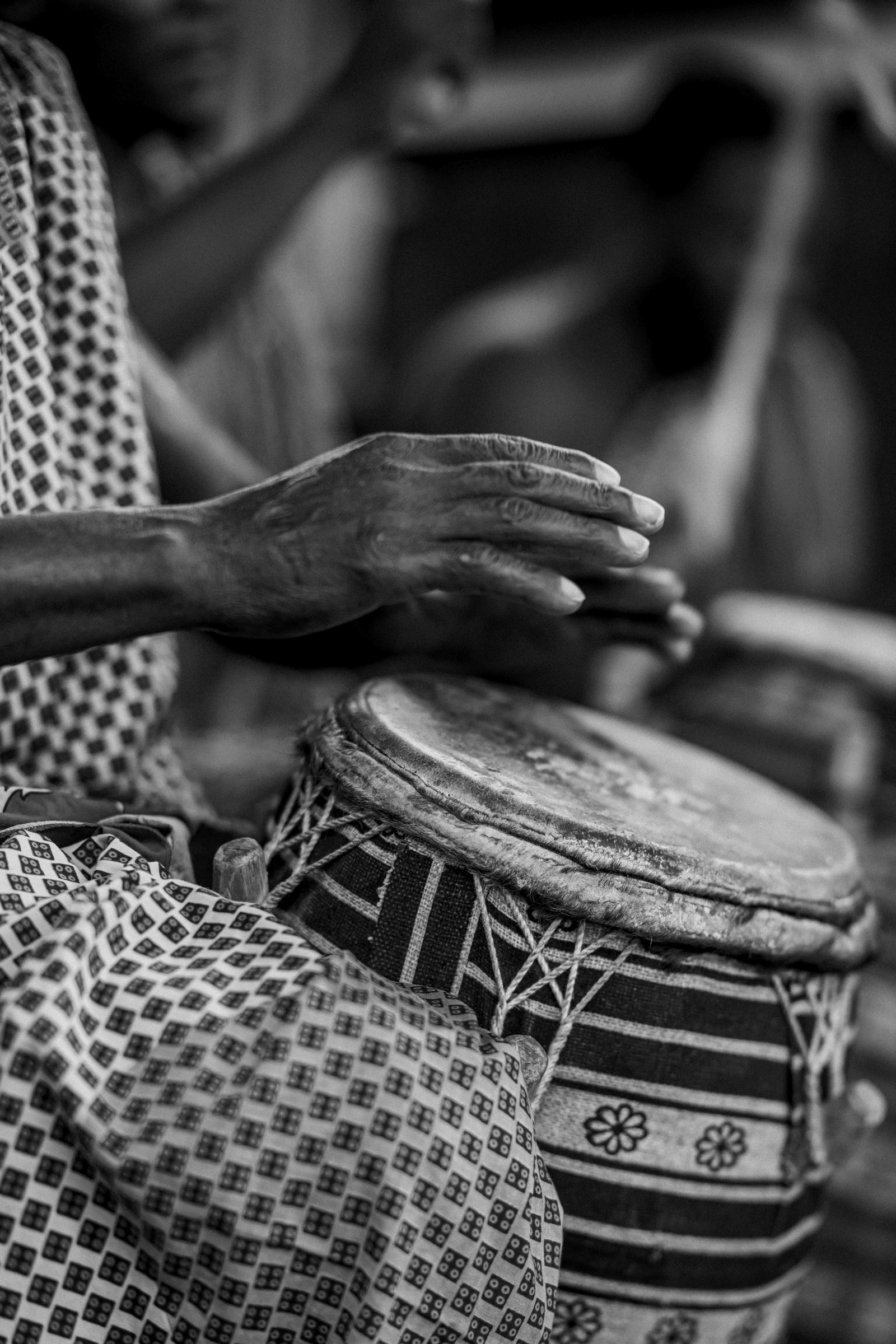
If you have ever walked through a park or attended a community festival and heard the distant, rhythmic thrum of hand drums, you have likely encountered a drum circle. But for the uninitiated, the scene can look mysterious. Is it a performance? A spiritual ceremony? A chaotic jam session?
At its heart, a drum circle is a group of people sitting in a circle, creating spontaneous music together. Unlike a traditional concert, there is no stage and no audience; everyone is a participant. Whether you are holding a djembe for the first time or you are a seasoned conga player, the circle is a space where rhythm becomes a universal language.
In this guide, we will break down exactly what happens at a drum circle so you can feel confident and prepared to join the beat.
The Setup: Entering the Circle
When you arrive, the first thing you will notice is the physical arrangement. Participants usually sit in a large circle, which allows everyone to see and hear each other. This circular shape is intentional—it represents equality. There is no "head of the table," and every voice is equally important to the collective sound.
In many community circles, you will see a variety of instruments laid out in the center. These are often provided by the facilitator or generous community members for those who don't yet own their own drum. You might see a tall djembe from West Africa, a pair of congas, or even a frame drum. If you are looking to develop your skills before your first public outing, reaching out to drum teachers can help you find your footing.
The Role of the Facilitator
Not all circles are the same. Some are "free-form," where the rhythm evolves naturally without a leader. However, many organized events feature a drum circle facilitator.
What happens at a drum circle with a facilitator? Their job is to manage the energy of the room. They might use hand signals to indicate a change in volume (dynamics), lead a call-and-response exercise, or help the group find a steady "heartbeat" rhythm when the music becomes too chaotic. They ensure that the environment remains welcoming for beginners while keeping the groove interesting for experienced players.
The Music: Spontaneous Composition
One of the most common questions beginners ask is, "What songs do we play?" The answer is usually: none.
Most drum circles focus on improvisation. The music is created in the moment. It often starts with a single person—sometimes the facilitator or a bass drummer playing the dununs—establishing a steady pulse. One by one, other players layer their rhythms on top.
- The Bass: Larger drums provide the foundation.
- The Mid-range: Instruments like the doumbek or djembe add melodic patterns.
- The Highs: Shakers, bells, and woodblocks provide the "sparkle" on top of the beat.
This layering creates a complex, trance-like wall of sound that can last for ten minutes or an hour. It is a unique experience where the individual disappears into the collective groove.
Drum Circle Etiquette: The Unwritten Rules
While drum circles are inclusive, there are a few pieces of etiquette that keep the experience pleasant for everyone. Knowing these helps you blend in seamlessly.
- Ask Before You Play: If someone has left a drum in a chair while they grab a drink, don't just start playing it. Always ask if an instrument is available for public use.
- Support the Beat: Avoid playing as loud as you can. The goal is to hear the person next to you. If you can't hear the person three seats away, the group is likely too loud.
- Listen More Than You Strike: Great drumming is 10% playing and 90% listening. Find the pulse and lock into it before trying to play a complex solo.
- Take Off the Rings: Rings can damage the skin of a drum and hurt your hands. It’s best to remove jewelry before you start.
If you are interested in a more structured environment, you might look into drum schools where these cultural and technical nuances are taught in depth.
The Physical and Emotional Experience
Beyond the music, something happens at a drum circle on a biological level. Scientific studies have shown that group drumming can reduce stress, lower blood pressure, and boost the immune system.
The vibration of the drums is felt physically in the chest. This "entrainment"—where your heart rate and brain waves synchronize with the rhythm—often leads to a feeling of euphoria or deep relaxation. This is why you will often find drumming as a core component of drumming retreats and wellness workshops.
Finding Your Place in the Rhythm
It is perfectly normal to feel nervous your first time. You might worry about "messing up" the rhythm. The beauty of a circle is that there are no mistakes, only variations. If you lose the beat, simply stop, listen for the bass note, and rejoin when you feel the pulse again.
Many circles are family-friendly and welcome children, dancers, and even people who just want to sit and shake a maraca. The community is generally very supportive of newcomers because every circle needs fresh energy to thrive.
Ready to experience the magic for yourself?
Find a drum circle near you and join the rhythm today.
Frequently asked
- Do I need to bring my own drum to a circle?
- Not necessarily. Many community drum circles have a 'community pot' of extra instruments like shakers, bells, and djembes for newcomers to use. However, if you plan on attending regularly, most players eventually prefer to purchase their own instrument.
- What if I have no musical experience or rhythm?
- Drum circles are perfect for non-musicians. The collective sound of the group covers individual slips, and the facilitator is there to help you find the basic heartbeat. If you can walk, you have enough rhythm to participate.
- How long does a drum circle typically last?
- Most public drum circles last between one and three hours. Participants are usually free to come and go as they please, though it is polite to enter and exit between rhythmic pieces rather than in the middle of a high-energy groove.
- Are drum circles religious events?
- While some cultures use drumming for spiritual purposes, most community drum circles are secular and focused on social connection, wellness, and the joy of making music. They are inclusive spaces for people of all backgrounds and beliefs.
Find a drum circle near you
Browse hundreds of circles, teachers and rhythm community gatherings.
Explore drum circles