What Is a Drum Circle? A Beginner's Guide to Rhythm,
A drum circle is a gathering of people playing hand drums and percussion together in shared rhythm. Here's everything a beginner needs to know — what to expect, what to bring, and how to find your first circle.
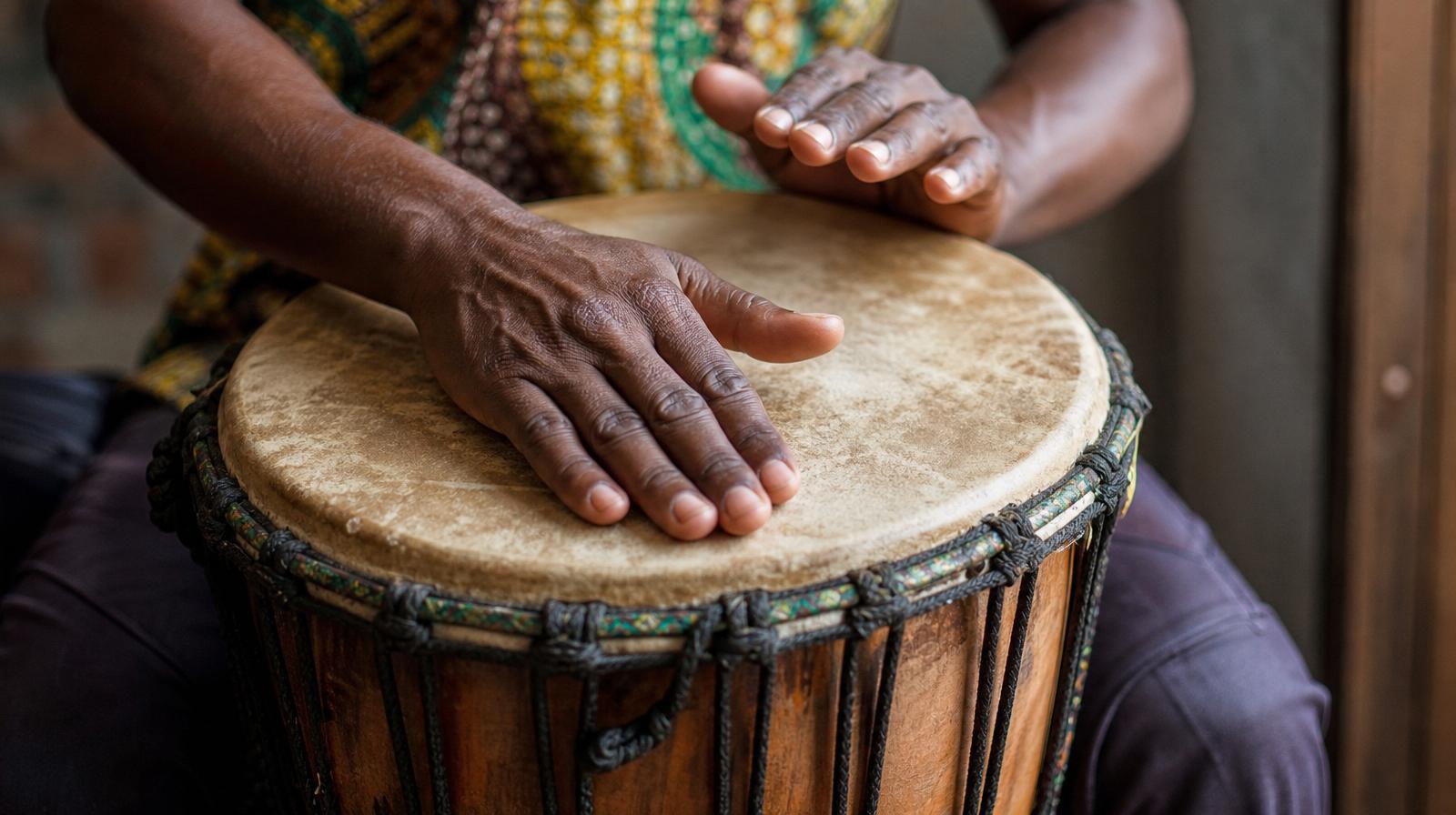
A drum circle is a gathering of people who sit in a circle and play hand drums and percussion instruments together — usually with no sheet music, no rehearsal, and no audience. Everyone is a participant. The rhythm is created in the moment, built from whatever each person brings.
Drum circles happen in parks, community centers, beaches, churches, schools, festivals, therapy programs, and corporate retreats all over the world. Some are loud and energetic; some are meditative. Some have a trained facilitator guiding the group; others are entirely community-led. What they all share is a simple idea: people making rhythm together, in real time, as a community.
A Short History
Drumming in a circle is older than recorded history. Almost every culture on earth has some form of communal drumming — West African djembe traditions, Afro-Cuban rumba, Native American powwow circles, Middle Eastern frame drumming, Brazilian samba, and more. The modern, open-to-anyone "community drum circle" most people in North America and Europe encounter today was popularized in the 1990s by facilitators like Arthur Hull, who built a movement around the idea that rhythm is a human birthright, not a specialist skill.
What Happens at a Drum Circle?
Every circle is a little different, but most follow a similar arc:
- Arrival. People show up, set out their drums, greet each other.
- Warm-up. Someone starts a simple pulse — often just a steady heartbeat on a low drum. Others join in one at a time.
- The groove. The rhythm builds. Layers stack: bass tones, slap tones, shakers, bells, congas. A pocket forms.
- Peaks and drops. A facilitator (or the group's own listening) brings the volume up, then down, then up again. Solos happen. Call-and-response trades happen.
- Closure. The rhythm slows, simplifies, and ends — usually on a shared final hit.
A typical community circle runs 60 to 120 minutes.
Who Is It For?
Everyone. That is not a marketing line — it is the actual point of a community drum circle. You do not need musical training, rhythm "talent," or your own drum. Kids, elders, beginners, professional drummers, people in recovery, people with disabilities, people who have never touched an instrument — all belong in the circle.
If you've ever tapped your hand on a steering wheel to a song, you already have what you need.
What to Bring to Your First Drum Circle
- An open mind. That is the only required item.
- A drum, if you have one. Djembe, conga, doumbek, frame drum, bongo, cajon — any hand drum works.
- A shaker, bell, or tambourine if you don't have a drum. Percussion of any kind is welcome.
- Water. You will play harder than you expect.
- Bug spray and a folding chair for outdoor circles.
Most community circles have loaner drums. If you show up empty-handed, someone will almost always hand you something to play.
What to Expect Etiquette-Wise
- Listen first, play second. Sit down, feel the pulse, then add your part.
- Leave space. A great drum circle has gaps as much as it has hits. Don't fill every beat.
- Match the volume. If the group is quiet, play quiet. If it builds, build with it.
- Don't solo over everyone. Trade, don't dominate.
- Watch the facilitator. If there is one, follow their cues for stops, breaks, and dynamics.
Are Drum Circles Free?
Most community drum circles are free or donation-based. Some are run by parks departments, churches, or volunteer organizers and cost nothing to attend. Facilitated circles in studios, schools, or therapeutic settings often have a small fee ($5–$20 is typical). Drumming retreats and workshops led by master facilitators cost more.
The Benefits of Drumming in a Circle
Modern research has caught up with what drummers have known for thousands of years. Regular group drumming has been studied for its effects on:
- Stress reduction — drumming lowers cortisol and activates the parasympathetic nervous system.
- Mood and depression — group rhythm releases endorphins and builds social connection.
- Immune function — studies have shown measurable boosts after sustained group drumming.
- Cognitive engagement — used in programs for Alzheimer's, autism, and trauma recovery.
- Community belonging — perhaps the most important benefit. Drumming together creates a level of bonding that conversation rarely matches.
How to Find a Drum Circle Near You
The fastest way is to search a directory built specifically for this — that's exactly what Drum Circle Directory was built for. You can:
- Browse drum circles by city
- Find drum circle facilitators
- Discover drum schools and drum teachers
- Find drumming retreats for deeper immersion
You can also check local Facebook groups, Meetup, community center bulletin boards, and the calendars of nearby music stores.
Ready to Start?
The hardest part of your first drum circle is walking up to it. After that, the circle takes care of you. Find one close, show up, sit down, and listen. The rhythm will tell you what to do.
If you don't see a circle listed in your city, submit one — community circles list free, forever.
Frequently asked
- Do I need to know how to play drums to join a drum circle?
- No. Community drum circles are designed for all skill levels, including absolute beginners. The only requirement is showing up with an open mind. Listen for a few moments, then add a simple, steady part.
- Do I need to bring my own drum?
- No. Most community drum circles have loaner drums available, and many regulars happily share. If you have a hand drum, shaker, tambourine, or bell, bring it — but it's not required.
- Are drum circles free?
- Most community drum circles are free or donation-based. Facilitated circles in studios, schools, or therapeutic settings sometimes charge a small fee ($5–$20 is typical). Retreats and intensives cost more.
- How long does a drum circle last?
- A typical community drum circle runs 60 to 120 minutes, including a gradual warm-up, an extended group groove, and a closing rhythm.
- What are the benefits of drumming in a circle?
- Research links regular group drumming to lower stress, improved mood, enhanced immune function, cognitive engagement, and a strong sense of community belonging.
- How do I find a drum circle near me?
- The fastest way is to search a directory built for this. Drum Circle Directory lets you browse drum circles by city, facilitators, schools, teachers, and retreats — and lets community organizers list their circles for free.
Find a drum circle near you
Browse hundreds of circles, teachers and rhythm community gatherings.
Explore drum circles