What Makes the Siesta Key Drum Circle Special? A Complete
Discover the magic behind Florida's most iconic rhythmic gathering and learn why the Siesta Key Drum Circle is a bucket-list experience for drummers worldwide.
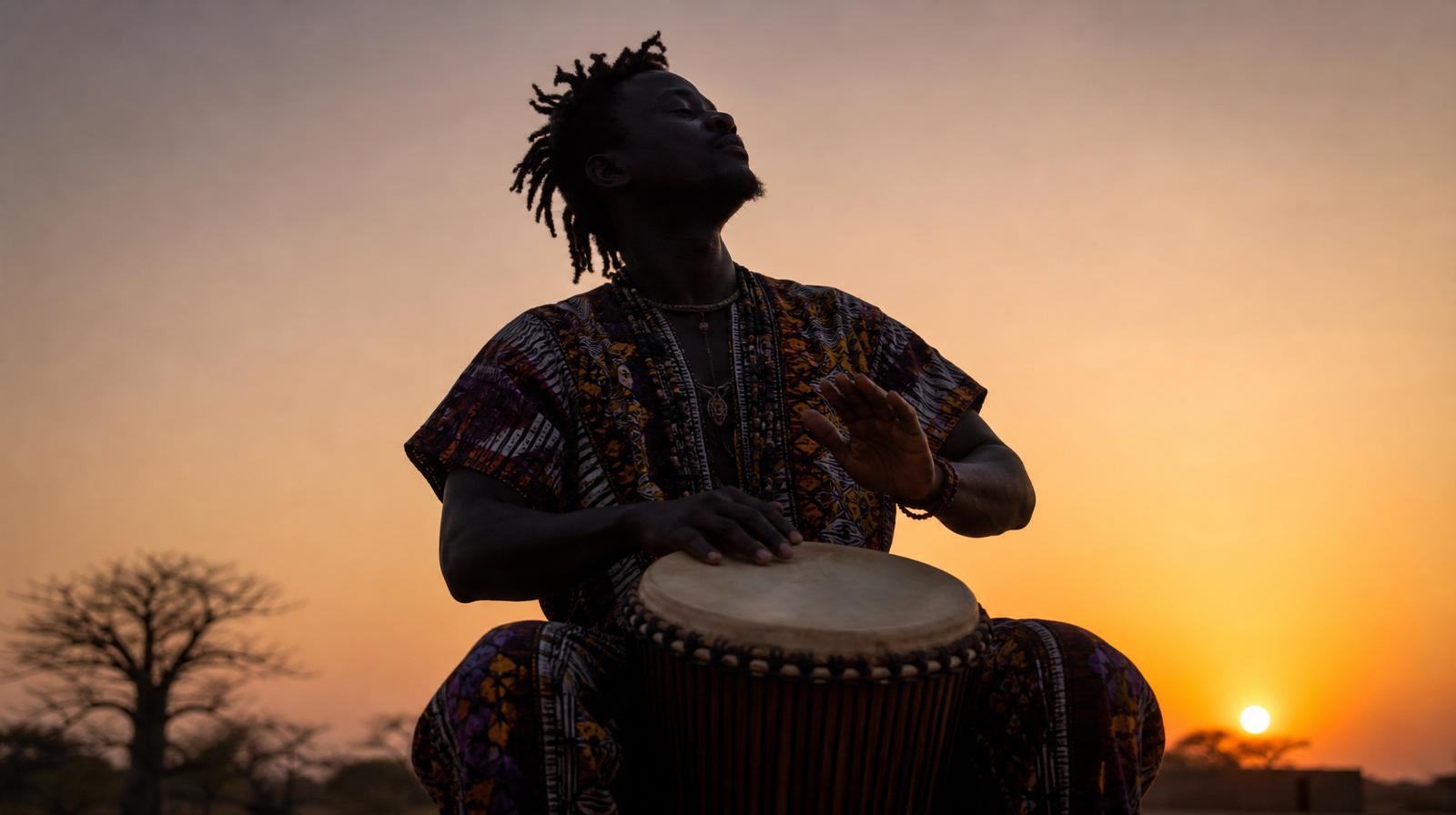
As the sun dips toward the turquoise horizon of the Gulf of Mexico, a low hum begins to vibrate through the powder-white sands of Siesta Key. It starts with a single djembe, followed by the metallic ring of a cowbell, and soon, a full-throttle rhythmic engine is roaring. This isn’t just a tourist attraction; it is a cultural phenomenon. But what makes the Siesta Key drum circle special compared to the thousands of other gatherings around the globe?
For those of us in the rhythm community, Siesta Key represents the pinnacle of the public drum circle. It is a place where professional percussionists, spiritual seekers, and vacationing families merge into one heartbeat. Whether you are a seasoned pro or someone looking to find drum teachers to start your journey, understanding the magic of this beach ritual is essential.
The Legend of the Quartz Sand
You cannot talk about what makes the Siesta Key drum circle special without mentioning the sand beneath your feet. Siesta Key beach is world-renowned for its 99% pure quartz sand. Unlike most beaches made of pulverized coral, this sand stays cool to the touch and is said by many in the community to have energetic, grounding properties.
In the drumming world, we often talk about 'resonance.' On Siesta Key, the quartz acts as a natural acoustic floor. The vibrations of the low-end dununs and the high-slap of the congas seem to travel further, vibrating through the legs of the dancers and into the very earth. It creates a physical sensation of being 'plugged in' to the rhythm.
A Melting Pot of Global Instruments
While many local circles focus on a specific tradition, the Siesta Key gathering is a masterclass in instrumental diversity. On any given Sunday, you will see and hear a vast array of percussion:
- West African Djembes: The backbone of the circle, providing the sharp slaps and deep bass notes.
- Middle Eastern Doumbeks: Adding intricate, rapid-fire finger patterns to the mix.
- Afro-Cuban Congas: Bringing that melodic, walking rhythm that keeps the dancers moving.
- Native American Frame Drums: Used often during the opening and closing of the circle for a more meditative tone.
- Dunun Drums: The large, double-headed drums played with sticks that provide the 'heartbeat' of the polyrhythm.
This diversity is exactly what makes the Siesta Key drum circle special; it is a sonic representation of the global village coming together in one Florida sunset.
The Inclusive Spirit of the Sarasota Community
Some drum circles can feel exclusive or intimidating to newcomers. Siesta Key is the opposite. It is a 'community' circle in the truest sense. You will see toddlers shaking maracas next to retirees playing tambourines, while professional percussionists hold down the complex polyrhythms in the center.
This inclusivity is a hallmark of the local drum circles listed in our directory. The unwritten rule here is simple: if you can feel the beat, you belong. There is no stage, no barrier, and no hierarchy. The dancers, often adorned in flowing silks or LED hula hoops, are just as vital to the energy as the drummers themselves.
A Ritual of Transition: The Sunset Climax
The timing of the circle is its most potent element. Starting roughly an hour before sunset every Sunday, the energy builds in a crescendo that mirrors the disappearing sun. As the sky turns shades of violet and burnt orange, the tempo often increases, reaching a fever pitch just as the sun touches the water.
When the sun finally disappears, the circle often erupts into a collective cheer—a moment of shared humanity that transcends language and politics. It is a weekly celebration of the cycle of nature, making it one of the most significant rhythmic events in the United States.
Etiquette and the 'Inner Circle'
To understand what makes the Siesta Key drum circle special, one must observe its unique etiquette. While open to all, there is a natural organization. The experienced drummers usually form the inner ring to ensure the 'pulse' remains steady.
If you are a beginner, it is often best to start on the outer edge. Listen for the 'one' (the first beat of the measure) and contribute a simple, steady part rather than trying to solo. This respect for the collective sound is what allows the Siesta Key circle to maintain its high musical quality despite having hundreds of participants.
Why It Draws Global Visitors
Many participants travel from across the country, often timing their drumming retreats to coincide with a Sunday on the Key. It has become a pilgrimage site for those who believe in the healing power of rhythm. The combination of the salt air, the rhythmic entrainment, and the lack of commercialism (the event is free and unorganized by any corporate entity) creates an authentic experience that is increasingly rare in the modern world.
Whether you are looking for a spiritual experience or simply a fun way to spend a Sunday evening, the Siesta Key drum circle offers something profound. It reminds us that before there were playlists and podcasts, there was the drum and the fire (or in this case, the sunset).
Find a drum circle near you and start your own rhythmic journey today.
Frequently asked
- What time does the Siesta Key drum circle start?
- The circle begins approximately one hour before sunset every Sunday year-round. It is recommended to arrive early to find parking, as the public beach lot fills up quickly during this popular community event.
- Can anyone participate in the Siesta Key drum circle?
- Yes, the circle is entirely open to the public. You can bring your own drum, join the dancers in the sand, or simply sit on a blanket and enjoy the rhythms; there is no cost to attend or participate.
- Where exactly on the beach is the drum circle located?
- The gathering takes place on Siesta Key Public Beach, usually just south of the main pavilion and concession stand. Just follow the sound of the drums once you hit the sand.
- What should I bring to the drum circle?
- Bring a chair or blanket, water to stay hydrated, and your favorite percussion instrument like a djembe or shaker. Many people also bring hula hoops or flow toys to join the dancers in the center of the ring.
Find a drum circle near you
Browse hundreds of circles, teachers and rhythm community gatherings.
Explore drum circles