
What to Bring to a Drum Circle: The Ultimate Packing Guide
Stepping into the rhythm for the first time? Discover the essential gear, instruments, and etiquette items you need for a perfect drum circle experience.
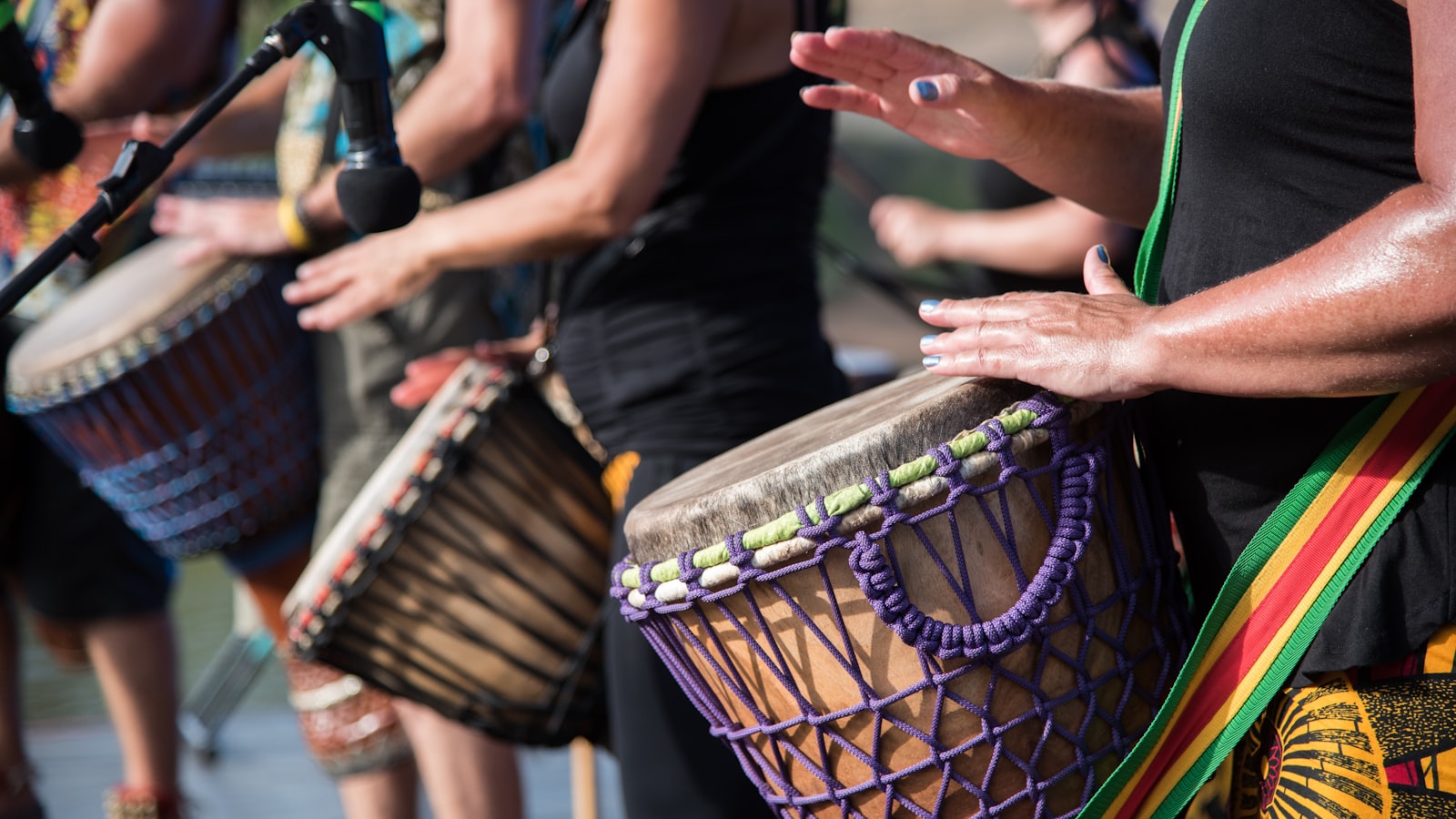
There is a unique magic that happens when a group of people gathers in a circle, instruments in hand, to create a collective heartbeat. Whether it is a sun-drenched beach jam, a spiritual full-moon gathering, or a structured community event led by a facilitator, your first drum circle is an experience you will never forget.
However, for many beginners, the excitement is often mixed with a bit of anxiety: "What do I actually need to bring?" Showing up unprepared can distract you from the rhythm, while bringing the right essentials ensures you can focus entirely on the music and the connection.
In this guide, we will break down everything you need to pack—from the obvious instruments to the subtle comfort items that veteran drummers never leave home without.
1. Choosing the Right Drum
The most important item is, of course, your voice in the circle: your drum. While many community circles have "loaner" instruments, it is always best to bring your own if you have one.
- Djembe: The most common choice. These West African drums offer a wide range of tones, from deep bass to sharp slaps.
- Doumbek or Darbuka: These goblet-shaped drums are perfect for those who prefer intricate finger-tapping styles common in Middle Eastern music.
- Congas and Bongos: Great for adding a melodic, Latin flair to the rhythm.
- Frame Drums: Lightweight and portable, these are excellent for meditative or shamanic-style circles.
If you don't own a drum yet, don't worry. You can find local drum teachers who often provide instruments during lessons, or check our directory to see if the event host provides equipment.
2. Hand Percussion and "Toys"
You don't always have to play a big drum to contribute. In fact, a circle full of only heavy bass drums can sound muddy. High-frequency sounds help cut through the mix and keep the tempo steady.
Consider bringing:
- Shakers and Maracas: Essential for maintaining the "pulse."
- Tambourines: Great for adding a bright, metallic texture.
- Claves: Two wooden sticks that produce a sharp, piercing sound—perfect for keeping everyone on the same beat.
- Cowbells: A classic addition for driving, high-energy jams.
3. Seating and Physical Comfort
Many drum circles take place in parks, on beaches, or in community halls where seating might be limited or uncomfortable. Since a good session can last two hours or more, comfort is key.
- A Lightweight Folding Chair: Look for one without armrests. Armrests often get in the way of your drum (especially djembes held between the knees).
- Drum Stools or Thrones: If you are serious about your posture, a dedicated drum throne provides the best support.
- Floor Cushions: Ideal for indoor, more meditative circles where participants sit on the ground.
- A Small Rug: If you are playing outdoors, a small outdoor mat or rug can keep your drum's base out of the dirt or sand.
4. Personal Essentials for Outdoor Circles
If you are heading to a drumming retreat or an outdoor festival, the elements can be your biggest challenge.
- Hydration: Drumming is a physical workout. Always bring a large reusable water bottle.
- Sun Protection: If it's a daytime event, pack a hat and biodegradable sunscreen.
- Ear Protection: This is the most overlooked item. In a tight circle with twenty djembes, the decibel levels can be high. High-fidelity earplugs allow you to hear the music clearly while protecting your hearing.
- Layers: Even if it’s warm when the circle starts, temperatures often drop quickly once the sun goes down.
5. Drum Maintenance and Care
Your drum is a living instrument, often made of wood and animal skin. It needs a little TLC during an outing.
- A Drum Bag: This protects your instrument from humidity changes and physical damage during transport.
- Tuning Key or Wrench: If you have a mechanical-tuned drum, you may need to adjust the tension if the weather changes.
- Shea Butter or Lotion: Playing for hours can be tough on your hands. Natural shea butter is great for keeping your skin supple and can even be used in small amounts to condition a natural rawhide drum head.
6. The "Unspoken" Essentials: Etiquette and Spirit
What you bring in your heart and mind is just as important as what you bring in your bag.
- An Open Mind: Be ready to follow the lead of a facilitator or the natural ebb and flow of the group.
- Respect for the Space: Always ask before playing someone else’s drum.
- A Small Contribution: Many community circles are "by donation." Bringing a few dollars to help the organizer cover the venue cost is a wonderful gesture of support.
If you are looking to sharpen your skills before your next gathering, consider enrolling in one of the many drum schools listed in our directory to learn the traditional rhythms that form the backbone of these events.
Ready to Join the Rhythm?
Now that your bag is packed and your djembe is tuned, it’s time to find your tribe. Whether you are looking for a high-energy fire circle or a healing rhythmic meditation, there is a spot waiting for you.
Frequently asked
- Do I need to own a drum to attend a drum circle?
- No, many community circles provide 'loaner' instruments like shakers or extra drums for newcomers. However, it is always a good idea to check the event description on the Drum Circle Directory or contact the facilitator beforehand to confirm.
- What is the best chair for drumming?
- The best chair is one without armrests, as these can interfere with your arm movement and the positioning of the drum. A sturdy folding stool or a dedicated drum throne is ideal for maintaining good posture and playing freedom.
- Should I bring earplugs to a drum circle?
- Yes, ear protection is highly recommended, especially for indoor events or large gatherings. High-fidelity musician's earplugs are best because they lower the volume without muffling the sound quality, allowing you to stay in sync with the group safely.
Find a drum circle near you
Browse hundreds of circles, teachers and rhythm community gatherings.
Explore drum circles