
What to Bring to Siesta Key Drum Circle: The Ultimate
Heading to Sarasota for the legendary Siesta Key drum circle? From choosing the right instrument to beach essentials, here is everything you need for a magical sunset.
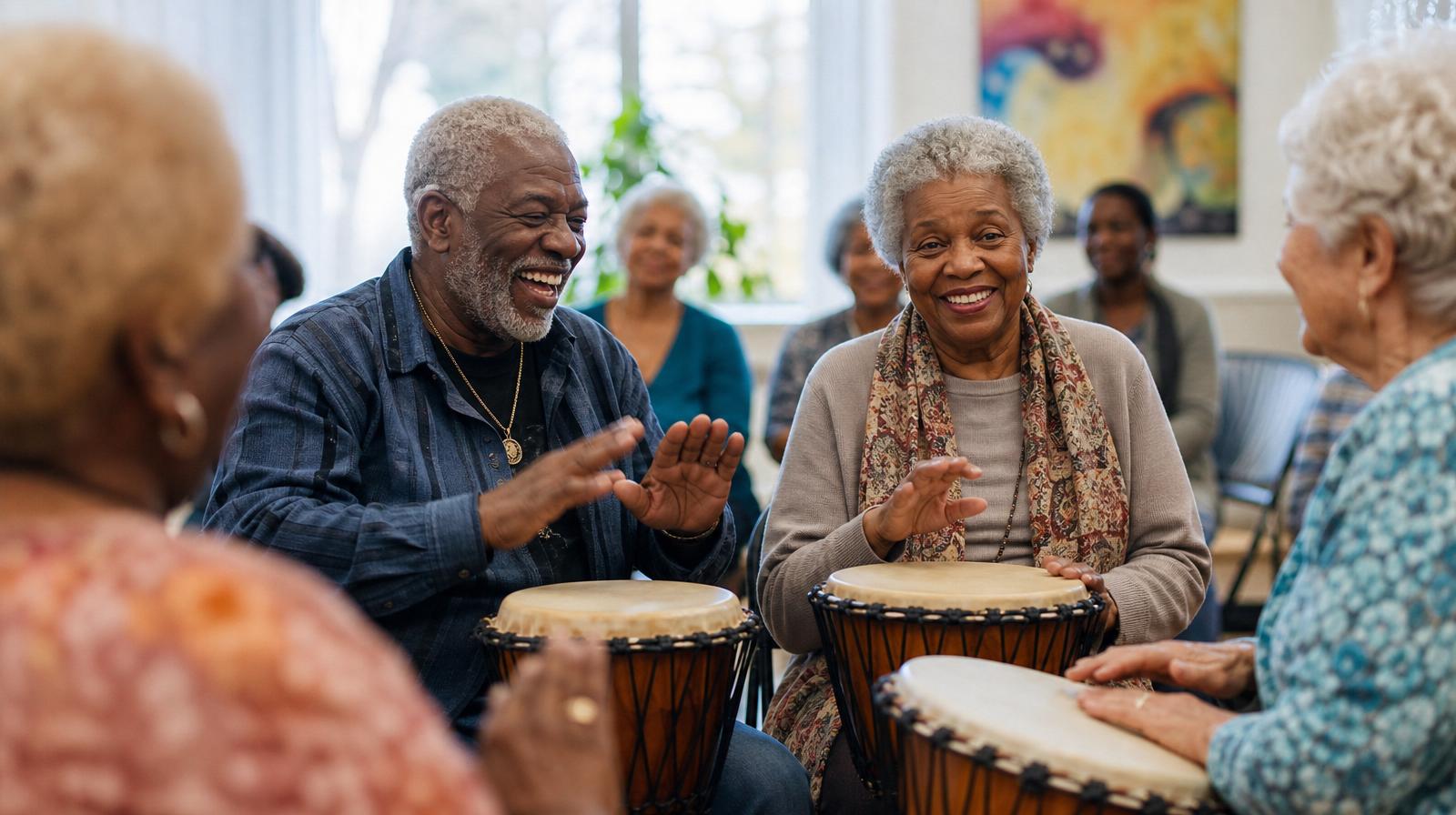
Every Sunday evening, as the Florida sun begins its descent toward the Gulf of Mexico, a rhythmic pulse begins to rise from the quartz sands of Siesta Beach. This isn't just a casual gathering; it is a world-renowned community tradition. Whether you are a seasoned percussionist or a first-time visitor, knowing what to bring to Siesta Key drum circle ensures you transition from a spectator to a participant in this soulful Sarasota experience.
The Siesta Key drum circle is a family-friendly, public event that celebrates rhythm, dance, and the natural beauty of the Gulf Coast. To help you prepare for the sand, the sun, and the sound, we have compiled the definitive checklist for your beach drumming adventure.
Choosing the Right Instrument
You don’t need to be a professional to join the rhythm. The Siesta Key circle is incredibly inclusive, welcoming everything from professional-grade hand drums to simple household shakers. If you are looking to buy your first instrument, many local drum teachers recommend starting with something portable and durable.
- Djembe: The most popular choice. Its high slaps and deep bass notes carry well across the open beach air.
- Ashiko or Conga: These provide a steady, driving heartbeat to the circle.
- Frame Drums: Lightweight and easy to carry across the sand, perfect for those who prefer a more melodic, subtle sound.
- Hand Percussion: If you aren't ready for a full drum, bring maracas, a tambourine, or a shekere. These are vital for adding texture to the collective groove.
Essential Beach Gear for Comfort
The Siesta Key drum circle takes place directly on the sand, usually near the main pavilion. Because the event can last several hours, comfort is key.
- Low-Profile Beach Chair: A standard chair can be difficult to drum in. Look for a low-profile chair or a sturdy stool that allows your arms to move freely.
- Large Beach Blanket: Even if you have a chair, a blanket helps define your space and gives you a place to set down your drum without it getting buried in the fine white sand.
- Towel or Drum Cover: The sand at Siesta Key is 99% quartz and very fine. Bringing a small towel to wipe down your hands and your drum head will prevent grit from affecting your playing.
Hydration and Sustenance
Drumming is a physical activity, and the Florida humidity can be taxing even after the sun goes down.
- Reusable Water Bottle: Stay hydrated. Please remember that Siesta Beach has a strict no-glass policy to keep the sand safe for barefoot dancers.
- Light Snacks: While there are concession stands nearby, they often close shortly after sunset. Bringing some fruit or nuts will keep your energy up during a long jam session.
Protecting Your Gear from the Elements
Salt air and fine sand are the enemies of high-quality drum skins. If you are bringing a professional djembe with a goat-skin head, be mindful of the moisture.
- Drum Bag: Always transport your instrument in a padded bag. This protects the wood from the salty breeze and prevents the head from losing tension due to humidity.
- Moisture Control: Some drummers use a small plastic cover if the evening gets particularly misty. If you plan on attending events like this regularly, investing in a synthetic-head drum (like those from Remo) can be a great choice for beach environments as they are weather-resistant.
Etiquette and Community Spirit
Knowing what to bring is only half the battle; knowing how to show up is the other. The Siesta Key drum circle thrives on mutual respect.
- Listen First: Before joining in, take a moment to listen to the established beat. Try to find the "pocket" rather than playing over others.
- Support the Dancers: The center of the circle is usually reserved for dancers and hula hoopers. Keep the path clear so the energy can flow.
- Leave No Trace: Siesta Key is a beautiful natural resource. Ensure you pack out everything you pack in, including any trash.
What to Wear
Dress for movement and the weather. Most participants opt for breathable, bohemian-style clothing or simple swimwear.
- Layers: Even in Florida, the temperature can drop once the sun disappears. A light cotton hoodie or a sarong can be a lifesaver.
- Footwear: Flip-flops are easiest for the walk from the parking lot, but most people prefer to drum and dance barefoot once they reach the circle.
If you find yourself bitten by the rhythm bug after your visit, you can explore more drum schools to hone your skills or find a drum circle near you to keep the beat going back home.
Frequently asked
- What time does the Siesta Key drum circle start?
- The circle typically begins about an hour before sunset every Sunday. During the summer, this may be around 7:00 PM, while in the winter, it can start as early as 4:30 PM.
- Is the drum circle at Siesta Key family-friendly?
- Yes, it is a very family-oriented event. You will see children dancing, families picnicking, and people of all ages participating in the rhythm.
- Do I need to be an expert drummer to join?
- Not at all. The Siesta Key drum circle is open to all skill levels. As long as you are respectful of the rhythm and the other participants, you are welcome to play.
- Is there a cost to attend the Siesta Key drum circle?
- No, the event is free and open to the public. However, parking at Siesta Beach can be difficult, so it is recommended to arrive early.
Find a drum circle near you
Browse hundreds of circles, teachers and rhythm community gatherings.
Explore drum circles