
Empowerment and Rhythm: The Guide to Joining a Women’s Drum
Discover the transformative power of women’s drum circles, where rhythm meets sisterhood to create a unique space for healing, expression, and community.
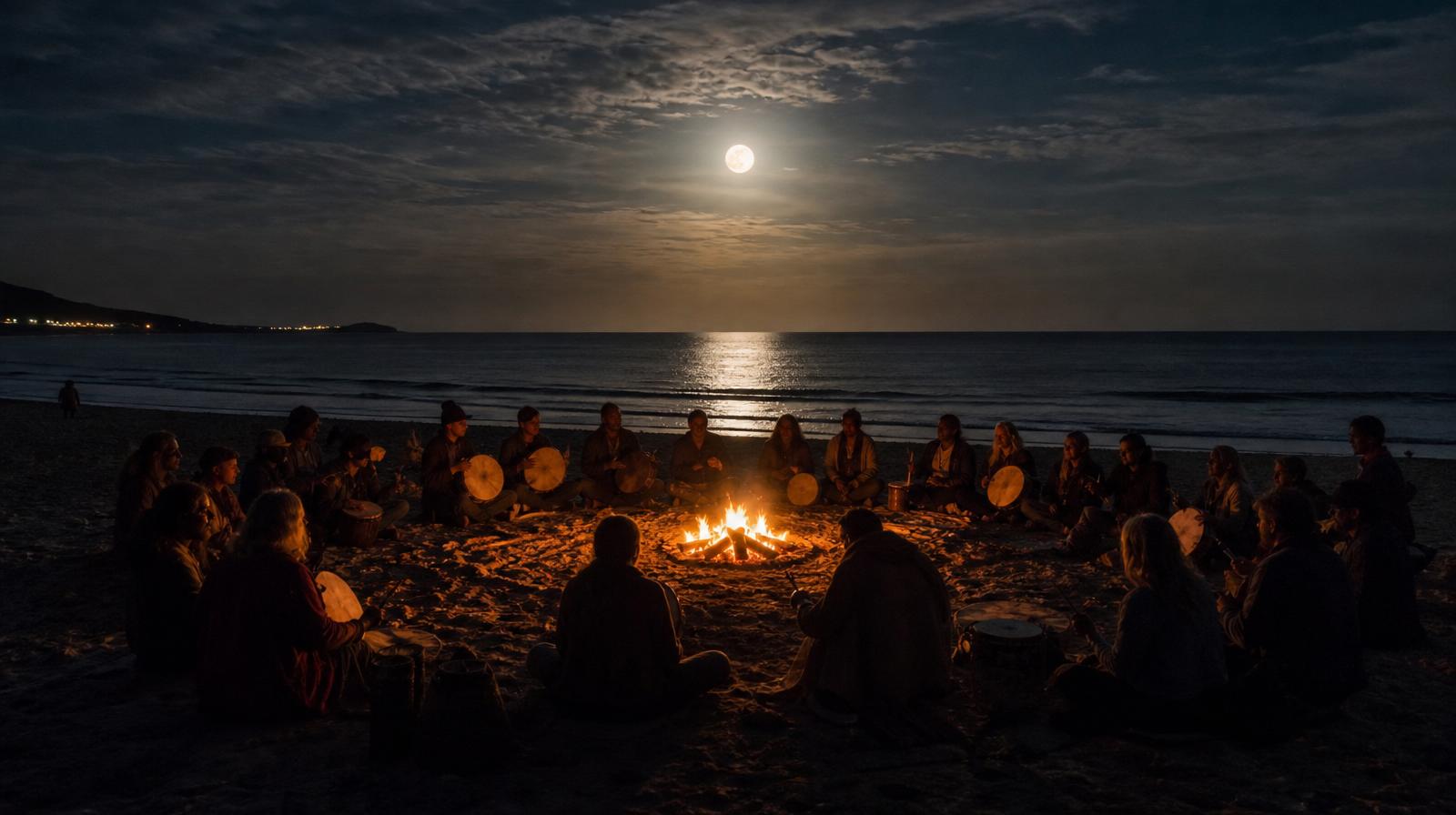
There is something primal and deeply resonant about the sound of a heartbeat. In a women’s drum circle, that heartbeat is amplified through the collective strike of hands on goat-skin djembes and the steady pulse of frame drums. These gatherings are more than just musical jam sessions; they are sacred spaces designed for connection, healing, and the reclamation of voice through rhythm.
For centuries, women have used the drum as a tool for ritual and community building. Today, the modern women’s drum circle movement continues this legacy, offering a supportive environment where beginners and seasoned percussionists alike can explore their inner tempo without judgment.
The Unique Energy of Women-Only Drumming
While mixed-gender circles offer a high-energy, celebratory atmosphere, a women’s drum circle often focuses on a different frequency. These spaces prioritize emotional safety and collaborative creation. In many cultures, the drum was historically a woman’s instrument, used by priestesses and healers to mark the cycles of the moon and the seasons of life.
In these circles, the focus shifts from technical perfection to intuitive listening. Whether you are playing a djembe, a doumbek, or a set of congas, the goal is to weave your unique sound into the collective tapestry. This environment encourages women to take up space—both sonically and physically—which can be a transformative experience for those used to playing a quieter role in daily life.
Essential Instruments for the Circle
If you are attending your first gathering, you might wonder what to bring. While many facilitators provide instruments, knowing the basics can help you find your preferred sound.
- The Djembe: The most popular choice for circles. This goblet-shaped drum from West Africa offers a wide range of tones, from deep, grounding basses to sharp, energetic slaps.
- The Frame Drum: Often associated with ancient feminine traditions, the frame drum is held in one hand or on the lap. It produces a haunting, melodic quality perfect for meditative circles.
- The Doumbek: A goblet drum from the Middle East, known for its crisp, metallic 'doums' and 'teks.' It is ideal for intricate, fast-paced rhythms.
- Auxiliary Percussion: Never underestimate the power of a shaker, a cowbell, or a tambourine. These instruments provide the 'texture' that holds a rhythm together.
If you find yourself wanting to master a specific instrument, connecting with professional drum teachers can help you build the technique needed to lead your own rhythms.
What to Expect: Ritual and Flow
A typical women’s drum circle often begins with an opening 'check-in' or an intention-setting ritual. This might involve a simple breath exercise or a short meditation to ground the group. Unlike a performance, there is no stage; everyone sits in a circle, symbolizing equality and the absence of a hierarchy.
The facilitator may lead a call-and-response exercise to get everyone synced up. From there, the rhythm evolves organically. You might experience 'the rumble'—a high-energy crescendo where everyone plays as fast and loud as they can—followed by a sudden, profound silence. These shifts in energy mirror the natural ebbs and flows of life.
Etiquette and Finding Your Place
Every community has its own 'unspoken' rules that keep the rhythm flowing harmoniously. If you are new, keep these etiquette tips in mind:
- Listen More Than You Play: Before joining in, listen to the established beat for a few measures. Find the 'heartbeat' and slot your rhythm into the gaps.
- Support the Pulse: The bass drums (like the dunun or large congas) usually hold the steady pulse. Avoid playing over them; instead, complement their grounding energy.
- Ask Before Playing Someone Else’s Drum: Instruments are often deeply personal. Always ask for permission before trying out a neighbor's drum.
- Respect the Space: Many women’s circles are considered 'sacred space.' Keep side conversations to a minimum while the drumming is active.
For those looking for a more structured learning environment before jumping into a public circle, exploring local drum schools can provide a solid foundation in rhythm theory and hand technique.
The Health and Wellness Benefits
Beyond the joy of music, participating in a women’s drum circle offers significant mental and physical health benefits. Scientific studies have shown that group drumming can reduce cortisol levels, boost the immune system, and release endorphins.
For women, these circles often serve as a form of 'rhythm therapy.' The repetitive motion of drumming induces a theta-wave state in the brain, similar to deep meditation. This helps in processing stress, managing anxiety, and fostering a sense of belonging. The social connection found in these events is a powerful antidote to the isolation often felt in the modern digital age.
Finding or Starting Your Own Circle
Finding a community is easier than ever. Many local parks, community centers, and yoga studios host monthly full-moon or new-moon gatherings. If you cannot find a local group, consider attending drumming retreats. These immersive experiences allow you to dive deep into the craft while forming lifelong bonds with other women drummers.
If there isn't a circle in your area, don't be afraid to start one. All you need is a few friends, a couple of shakers, and a shared intention. You can list your new group on community boards to attract like-minded spirits.
Find a drum circle near you and start your rhythmic journey today.
Frequently asked
- Do I need to be a musician to join a women’s drum circle?
- Absolutely not. Most women’s drum circles are 'come as you are' events where no prior musical experience is required. The focus is on community and self-expression rather than technical mastery. Facilitators often guide beginners through basic strokes like the bass, tone, and slap.
- What should I wear to a drum circle?
- Comfort is key. Wear loose-fitting clothing that allows you to move your arms freely and sit comfortably for long periods. Many drummers prefer to avoid rings and large bracelets, as these can damage the drum head or create unwanted metallic clicking sounds while playing.
- Are children allowed in women’s drum circles?
- This depends on the specific circle. Many are family-friendly and welcome girls of all ages to encourage the next generation of drummers. However, some circles are 'adults only' to maintain a specific therapeutic or meditative focus. It is always best to check the event description or ask the facilitator beforehand.
Find a drum circle near you
Browse hundreds of circles, teachers and rhythm community gatherings.
Explore drum circles