
Boost Team Harmony with a Workplace Wellness Drum Circle
Discover how rhythm-based team building can transform office culture, reduce stress, and foster genuine connection through the power of the drum.
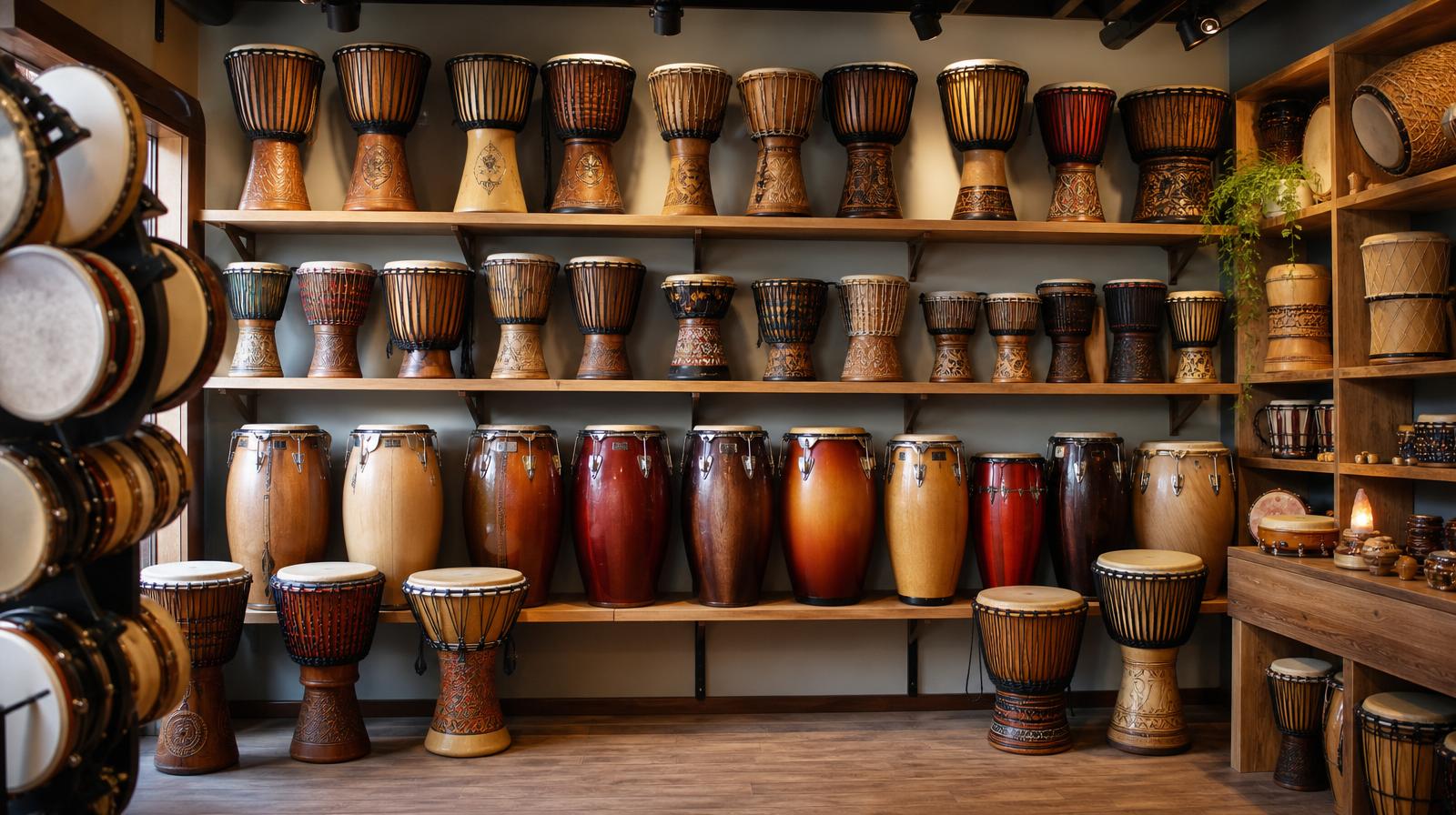
In the modern corporate landscape, the traditional "trust fall" or awkward office mixer is losing its resonance. Companies are increasingly seeking authentic ways to combat burnout, foster inclusivity, and break down the silos that form between departments. Enter the workplace wellness drum circle—a rhythmic intervention that bypasses the analytical mind and connects people on a primal, human level.
Group drumming is not just about making noise; it is an ancient practice adapted for the modern professional world. By utilizing instruments like the djembe, conga, and various hand percussion, teams can experience a physical and emotional shift that no PowerPoint presentation can provide.
The Science of Rhythm in the Office
When a team sits in a circle, the hierarchy of the boardroom vanishes. The CEO sits next to the intern, both holding a drum, both contributing to a singular pulse. This "rhythmic entrainment" has been shown to lower cortisol levels and trigger the release of endorphins.
Research into workplace wellness suggests that active music-making can significantly reduce stress and improve mood. Unlike passive listening, playing a drum requires focus and physical coordination, providing a form of "active meditation" that clears the mental clutter of deadlines and emails.
Breaking Down Silos Through Call-and-Response
One of the most powerful tools in a facilitator’s kit is the call-and-response technique. In a workplace wellness drum circle, this mimics effective communication. One person (the leader) plays a pattern on a djembe, and the group echoes it back.
This exercise teaches members to:
- Listen actively: You cannot respond if you aren't truly hearing your colleagues.
- Support others: The group's collective sound provides a safety net for individuals to take creative risks.
- Find common ground: Even if team members disagree on a project, they can find a shared tempo.
Instruments of Connection
A professional workplace drum circle typically involves a variety of instruments to ensure everyone finds their voice:
- Djembes: These West African drums are the heartbeat of the circle, offering deep bass notes and sharp slaps.
- Congas: Providing a warm, melodic tone that grounds the rhythm.
- Frame Drums: Ideal for those who prefer a lighter touch and a more meditative sound.
- Dunun: Large cylindrical drums played with sticks that provide the foundational pulse.
- Hand Percussion: Shakers, bells, and woodblocks allow for subtle layers of texture.
If your team is looking to dive deeper into technical skills after an initial session, finding local drum teachers can help sustain the momentum and turn a one-time event into a lasting hobby.
Improving Employee Retention and Morale
Burnout is one of the leading causes of turnover. A workplace wellness drum circle serves as a "pattern interrupt" for the daily grind. It signals to employees that their well-being is valued beyond their output.
When employees laugh together, struggle through a complex rhythm together, and ultimately find a groove, they build "social capital." These shared experiences create a sense of belonging that makes people want to stay with an organization. Many companies now schedule these sessions during events like quarterly retreats or wellness weeks to recharge the collective battery.
Creating an Inclusive Environment
One of the greatest strengths of the drum circle is its accessibility. You do not need to be a "musician" to participate. A skilled facilitator ensures that the circle is a judgment-free zone. Whether someone is tapping a simple beat on a tambourine or exploring complex syncopation on a doumbek, every contribution is valid.
This inclusivity is vital for DEI (Diversity, Equity, and Inclusion) initiatives. It allows non-verbal expression and celebrates the different "voices" within a team, mirroring the diverse perspectives needed for a successful business.
Organizing Your First Session
To bring a workplace wellness drum circle to your office, consider the following steps:
- Define Your Goal: Is this for stress relief, team building, or celebrating a milestone?
- Find a Facilitator: Look for experienced professionals who specialize in corporate environments. You can often find experts through drum schools or local community directories.
- Choose the Space: A room with good acoustics and enough space for a circle of chairs is essential.
- Keep it Regular: While a one-off session is great, monthly or quarterly circles yield the best long-term wellness results.
For those who find themselves truly bitten by the rhythm bug, exploring drumming retreats can be a fantastic way to take these wellness practices into a more immersive, nature-based setting.
Conclusion: The Future of Work is Rhythmic
As we navigate the complexities of remote work and digital fatigue, the need for tactile, face-to-face connection has never been higher. The workplace wellness drum circle offers a low-tech, high-impact solution that resonates long after the final beat has faded. It’s time to stop just talking about wellness and start drumming it into the culture.
Find a drum circle near you to experience the magic firsthand.
Frequently asked
- Do employees need prior musical experience for a workplace drum circle?
- Not at all. Workplace drum circles are designed for all skill levels. A professional facilitator guides the group through simple rhythms, ensuring that even those who have never touched a drum can contribute and feel successful within minutes.
- How long does a typical corporate drumming session last?
- Most sessions last between 45 and 90 minutes. This provides enough time for a warm-up, several rhythmic exercises, a period of free-form drumming, and a brief reflection or cool-down period.
- What kind of space is required for an office drum circle?
- You simply need a quiet, private room large enough to arrange chairs in a circle. Open-plan breakrooms, conference rooms, or even outdoor courtyards work well, provided the sound won't disturb other departments that aren't participating.
Find a drum circle near you
Browse hundreds of circles, teachers and rhythm community gatherings.
Explore drum circles