
World Music Festival Drumming: Your Guide to Rhythms and
Discover the magic of drumming at world music festivals, from late-night djembe fires to community workshops that connect cultures through rhythm.
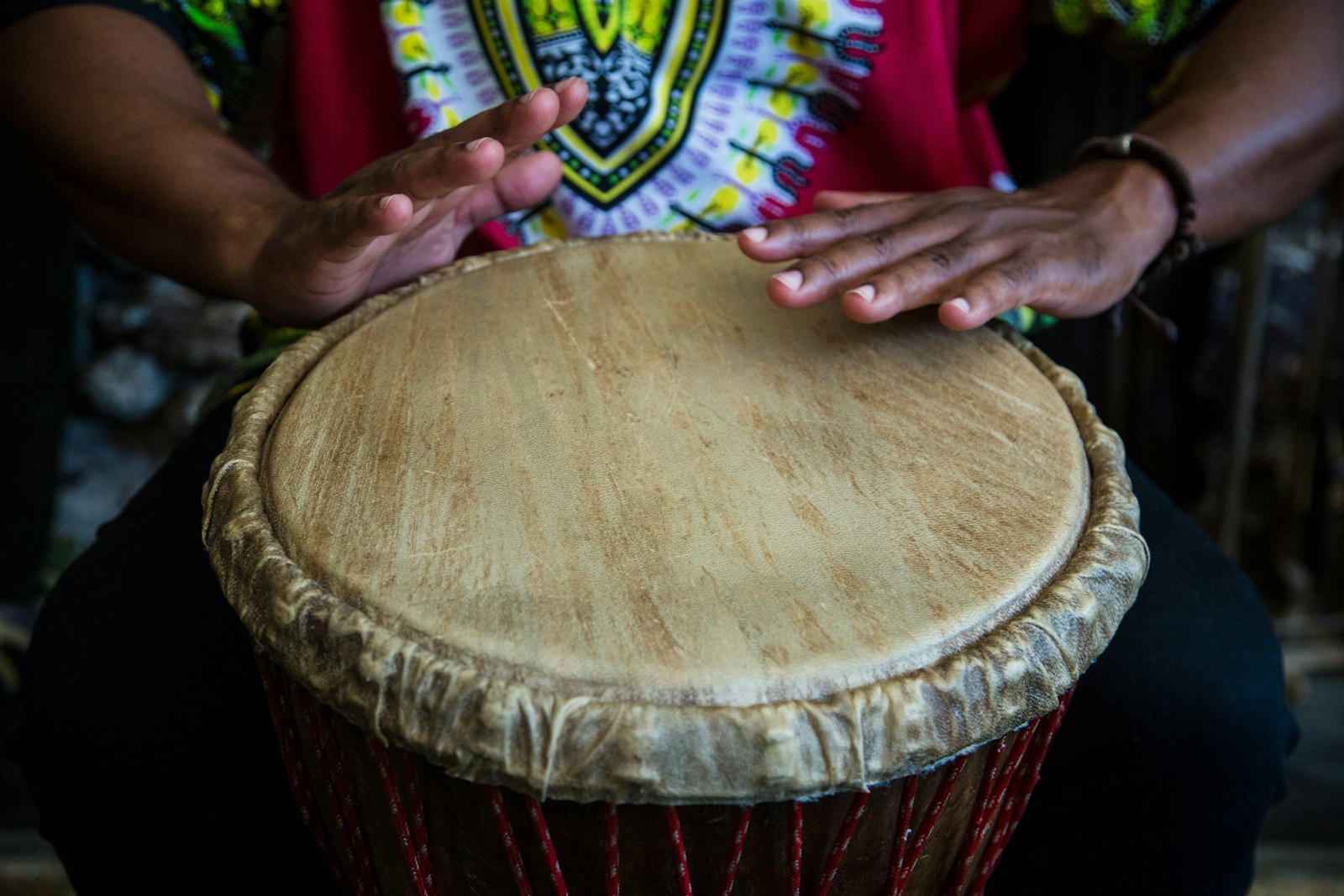
There is a specific kind of magic that occurs when the sun dips below the horizon at a world music festival and the first deep thrum of a dunun begins to echo through the trees. For many, world music festival drumming is the heartbeat of the entire experience. It is more than just background noise; it is a shared language that transcends borders, connecting thousands of people through the universal pulse of the drum.
Whether you are a seasoned percussionist or someone who has never touched a drumhead, these festivals offer a unique opportunity to immerse yourself in global rhythmic traditions. From the high-energy djembe circles of West Africa to the intricate finger-work of Middle Eastern doumbeks, the festival scene is a living classroom for anyone passionate about rhythm.
The Role of Drumming in Global Festivals
In many cultures, music is not a spectator sport but a communal activity. World music festivals honor this by placing drumming at the center of the celebration. Unlike a standard concert where the audience remains passive, drumming areas at festivals like Joshua Tree Music Festival or Spirit of Suwannee often encourage active participation.
Drumming serves as the "social glue" of these events. It provides a space for grounding between high-energy stage sets and creates a sanctuary for those looking to connect with others on a deeper, non-verbal level. When you step into a festival drum circle, you aren't just listening to music—you are helping to create it.
Essential Instruments You’ll Encounter
If you are heading to your first festival, you’ll see a diverse array of instruments. Understanding what they are and how they sound can help you find your place in the groove:
- Djembe: The king of the festival circle. This goblet-shaped drum from West Africa is known for its versatile range, from deep, resonant bass to sharp, cracking slaps.
- Dunun (Doundoun): These are the large, cylindrical bass drums played with sticks. They provide the melodic foundation and the steady heartbeat that keeps the djembe players in time.
- Congas and Bongos: Bringing the flavors of Afro-Cuban music, these drums add a melodic, syncopated layer to the rhythm.
- Doumbek and Darbuka: These goblet drums from the Middle East and North Africa offer crisp, metallic sounds and are often played with intricate finger techniques.
- Frame Drums: One of the world's oldest instruments, these are often used in more meditative or trance-oriented festival sets.
- Ashiko: Similar to a djembe but with a tapered cylinder shape, offering a warm tone that sits beautifully between a djembe and a conga.
Participating in Festival Workshops
One of the best ways to improve your skills is to attend the scheduled workshops. Most major world music festivals invite master drummers to lead sessions for all levels. These workshops are invaluable for learning traditional rhythms like Kuku, Moribayassa, or Samba Reggae.
If you find yourself inspired by a specific style, you can often find drumming retreats that dive deeper into these traditions long after the festival gates have closed. Learning from a master teacher ensures that you are honoring the cultural roots of the music rather than just playing "at" the drum.
The Late-Night Fire Circle: Etiquette and Flow
The late-night drum circle around a campfire is a staple of the festival experience. However, these spaces have their own unspoken rules of etiquette to ensure everyone has a good time:
- Listen First: Before you start playing, listen to the established groove for at least a minute. Find the "pulse" and the "pocket" before adding your voice.
- Support the Bass: If there are no dunun players, try to keep a steady bass beat on your djembe. Don't just solo; the circle needs a foundation.
- Leave Space: Music is made of sound and silence. You don't need to play on every beat. Leaving gaps allows other instruments, like shakers or woodblocks, to be heard.
- Respect the Lead: Often, a facilitator or an experienced elder will lead the group through changes or "breaks." Watch for their signals to stop or start.
- Ask Before Borrowing: Never play someone else’s drum without asking. Many drums are handmade, high-value instruments with thin skins that can be easily damaged by rings or heavy hitting.
Finding Your Tribe: From Festivals to Local Circles
The "festival high" doesn't have to end when you drive away from the campground. Many people find that their experience with world music festival drumming sparks a lifelong passion. The community you find in a dusty field in July can be found year-round in your own city.
If you’re looking to keep the rhythm going, checking out local drum circles is the best way to maintain your chops and stay connected to the community. Many festival goers also seek out drum teachers to refine their technique or join drum schools to study the complex mathematics of polyrhythms.
Health and Wellness Benefits of Festival Drumming
There is a reason people feel so rejuvenated after a weekend of drumming. Scientific studies have shown that group drumming can reduce stress, boost the immune system, and even help manage chronic pain. The rhythmic entrainment—where your heart rate and brain waves synchronize with the beat—creates a state of flow that is deeply therapeutic.
In the high-energy environment of a festival, drumming acts as a form of "active meditation." It clears the mind of daily anxieties and replaces them with a sense of presence and belonging. This is why so many events now include "rhythm wellness" tents as part of their programming.
Preparing for Your Rhythmic Adventure
If you’re planning to bring your drum to a festival this year, here are a few pro-tips:
- Protect Your Instrument: Use a padded bag. The dust, heat, and humidity of an outdoor festival can be hard on natural goat skins.
- Hydrate: Drumming is a workout. Keep water nearby, especially during long afternoon sessions.
- Comfort is Key: Bring a small folding stool or a strap so you can play comfortably for hours.
- Ear Protection: If you are playing in a large circle with twenty or more drummers, the decibel levels can be high. High-fidelity earplugs are a drummer's best friend.
World music festival drumming is a journey into the heart of human connection. It reminds us that despite our different backgrounds, we all beat to the same rhythm. Whether you are there to dance, to learn, or to lead, the circle always has a place for you.
Find a drum circle near you and start your journey today.
Frequently asked
- Do I need to bring my own drum to a world music festival?
- While many festivals have 'petting zoos' or community drums available for workshops, it is always best to bring your own if you have one. This ensures you have an instrument you are comfortable with for late-night circles where loner drums are rarely provided.
- Can beginners participate in festival drum circles?
- Absolutely! Most festival circles are very welcoming to beginners. The key is to start simply—focus on keeping a steady pulse or playing a shaker until you feel confident enough to try more complex patterns on a drum.
- What is the best drum for a world music festival?
- The djembe is the most popular choice because of its volume and versatility. However, if you prefer something lighter, a frame drum or a small ashiko is also a great option for traveling through festival grounds.
- How can I find world music festivals with a strong drumming focus?
- Look for festivals that highlight 'global rhythms' or 'roots music.' You can also check our directory's events section to find gatherings specifically known for their vibrant drumming communities and facilitator-led circles.
Find a drum circle near you
Browse hundreds of circles, teachers and rhythm community gatherings.
Explore drum circles