
Youth Drum Circle Guide: Building Community Through Rhythm
Discover how youth drum circles foster confidence, social connection, and rhythmic skill in children and teens through the power of the beat.
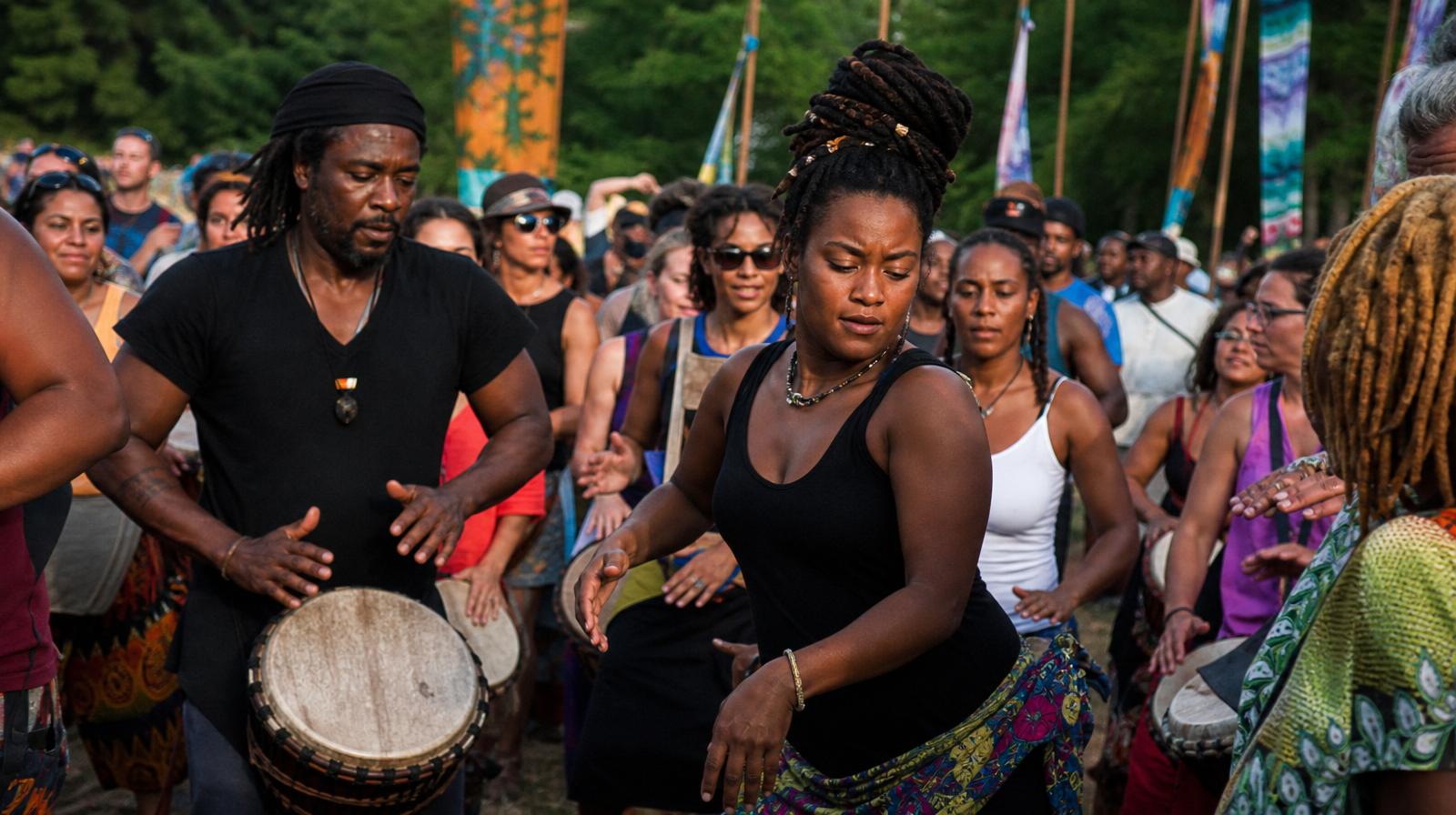
In an increasingly digital world, the youth drum circle offers a rare and powerful space for children and teenagers to disconnect from screens and reconnect with one another. A youth drum circle is more than just a musical activity; it is a vibrant, living laboratory for social-emotional learning, creative expression, and pure, unadulterated joy.
Whether it is a group of toddlers exploring the resonance of a frame drum or high schoolers mastering complex polyrhythms on the djembe, these gatherings foster a sense of belonging that is essential for development. By moving beyond the confines of traditional music theory and into the heart of communal rhythm, we allow young people to find their voice through their hands.
The Benefits of Drumming for Kids and Teens
The impact of rhythmic play on a developing mind is profound. Unlike many extracurricular activities that are competitive by nature, a youth drum circle is inherently collaborative. Every beat contributes to the whole, teaching participants that their individual contribution matters to the collective sound.
- Cognitive Development: Drumming requires the use of both hemispheres of the brain, improving coordination and focus.
- Stress Relief: The physical act of striking a drum releases endorphins and provides a healthy outlet for pent-up energy or frustration.
- Social Skills: Participants learn the art of listening, taking turns, and supporting their peers through call-and-response patterns.
- Confidence Building: Mastering a basic pulse or leading a short rhythm sequence provides an immediate sense of accomplishment.
Essential Instruments for a Youth Circle
When organizing a youth drum circle, the choice of instruments can dictate the energy of the room. While any drum will do, certain instruments are better suited for smaller hands and high-energy environments.
The Djembe
The djembe is the king of the youth circle. Its goblet shape makes it easy to hold between the knees, and it offers three distinct sounds—bass, tone, and slap—that are easy for kids to distinguish. Synthetic heads are often preferred for youth programs as they are durable and stay in tune regardless of the weather.
Frame Drums and Tambourines
For younger children, the frame drum is an excellent entry point. It is lightweight and can be played with hands or a soft mallet. Tambourines add a high-end shimmer that cuts through the deeper bass notes, helping kids understand the layers of a rhythmic arrangement.
Dununs and Bass Drums
To provide the "heartbeat" of the circle, larger drums like the dunun (dununba, sangban, and kenkeni) are essential. These are often played with sticks, which is particularly engaging for teens who want to explore more powerful, grounded rhythms.
Facilitating a Youth Drum Circle
Facilitating for youth requires a different approach than leading an adult circle. The key is to keep the energy moving and the instructions minimal. Young drummers learn best by doing, not by listening to long lectures.
Start with a simple "rumble"—allowing everyone to play as fast and loud as they can—to get the initial excitement out of their systems. From there, use visual cues to stop and start the group. A simple raised hand or a rhythmic signal on a bell can bring a chaotic room into perfect unison.
If you are a parent looking for structured guidance, you might consider connecting with professional drum teachers who specialize in youth pedagogy to help facilitate your first community event.
Rhythmic Games and Activities
To keep kids engaged, incorporate games that turn rhythm into a challenge.
- The Name Game: Have each child drum the syllables of their name while the rest of the group echoes it back. This validates each child's presence in the circle.
- Stop and Go: Use a "conductor" (a role that can rotate among the youth) to signal when the group should play softly, loudly, or stop entirely.
- Pass the Rhythm: One person starts a simple four-beat pattern, and it travels around the circle one by one. This encourages deep listening and focus.
Creating an Inclusive Environment
A successful youth drum circle is one where every child feels safe to experiment. This means setting a few "community agreements" at the start. Common rules include: "Respect the instruments," "Listen as much as you play," and "There are no wrong notes."
For teens, the circle can become a place to discuss social issues or personal experiences through the metaphor of rhythm. Many drum schools now incorporate mindfulness and restorative justice practices into their youth drumming curricula, recognizing the drum as a tool for healing and communication.
Finding Youth Drumming Opportunities
If you are looking to get your child involved, there are many avenues to explore. Many local libraries, community centers, and schools host after-school rhythm clubs. Additionally, family-friendly festivals often feature dedicated youth zones where kids can participate in facilitated circles.
For those who want to dive deeper, drumming retreats often offer family-specific tracks where parents and children can learn side-by-side. These immersive experiences can solidify a lifelong love for music and community.
Whether you are a teacher looking to bring rhythm into the classroom or a parent seeking a new outlet for your child, the world of youth drumming is welcoming and full of potential. The beat is waiting.
Find a drum circle near you at /drum-circles.
Frequently asked
- What is the best age for a child to start a drum circle?
- Children as young as two or three can participate in a simplified drum circle using small shakers and frame drums. However, most structured youth drum circles are designed for ages five and up, when children have the motor skills to sustain a basic beat and follow group cues.
- Do I need to buy a drum for my child to join a circle?
- Most facilitated youth drum circles provide instruments for participants. It is often better to let your child try various drums—like djembes, congas, or bongos—at a community event before investing in a high-quality instrument of their own.
- How long do youth drum circles typically last?
- For younger children (ages 5-10), a 30 to 45-minute session is usually ideal to maintain engagement. For teenagers, sessions can last 60 to 90 minutes, allowing more time for complex rhythms, improvisation, and social connection.
Find a drum circle near you
Browse hundreds of circles, teachers and rhythm community gatherings.
Explore drum circles