
Empowering the Next Generation: The Ultimate Youth Drumming
Discover how a youth drumming program can transform a child's confidence, social skills, and rhythmic ability through the power of community percussion.
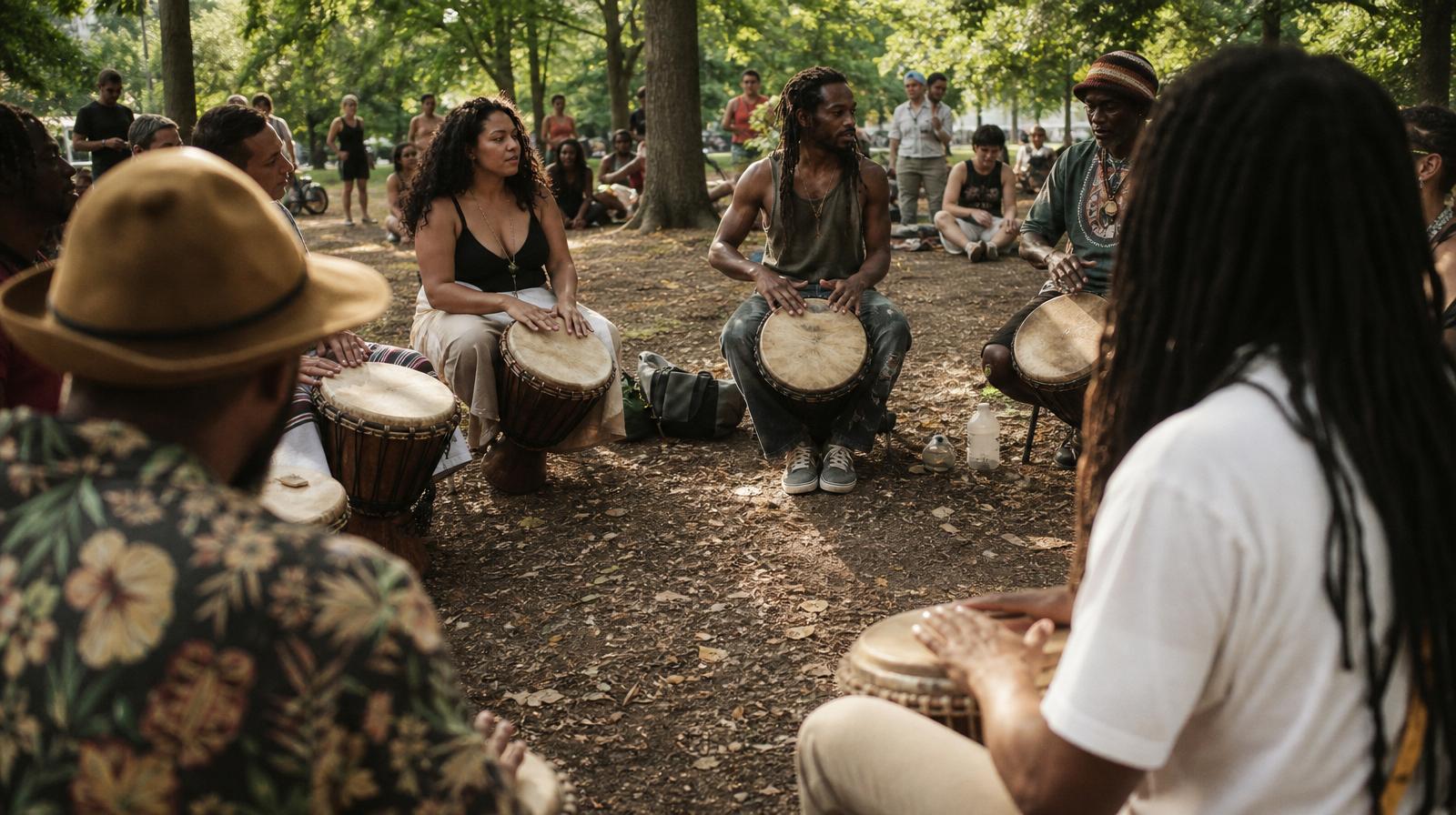
There is a primal magic that happens when a child picks up a mallet or strikes a drumhead for the first time. It isn't just about making noise; it is about finding a voice. A well-structured youth drumming program offers more than just musical instruction—it provides a sanctuary for self-expression, a lesson in teamwork, and a powerful tool for cognitive development.
From the thunderous bass of a djembe to the sharp slap of a conga, drumming resonates with young people in a way that few other instruments can. In this guide, we explore why rhythm-based education is essential for today's youth and how to find the right environment for your child to flourish.
The Holistic Benefits of Rhythmic Education
When we talk about a youth drumming program, we are looking at a multi-sensory experience. Unlike traditional orchestral settings that can sometimes feel rigid, hand drumming is tactile and immediate. This accessibility makes it an ideal entry point for children who might feel intimidated by complex sheet music.
Physically, drumming improves bilateral coordination and fine motor skills. Mentally, it has been shown to reduce stress and increase focus. In an age of digital distraction, the rhythmic repetition of a basic pulse helps ground students in the present moment. Furthermore, studies suggest that drumming can synchronize the left and right hemispheres of the brain, enhancing logical and creative thinking simultaneously.
Core Instruments in a Youth Drumming Program
Diversity in instrumentation is key to keeping young learners engaged. A robust program will typically introduce students to a variety of world percussion instruments, including:
- Djembe: The West African djembe is the most popular choice for youth circles due to its wide range of sounds (bass, tone, and slap) and its portability.
- Dunun: These cylindrical bass drums, played with sticks, provide the heartbeat of West African rhythms and teach children how to maintain a steady foundation.
- Frame Drums: Lightweight and versatile, frame drums are excellent for teaching subtle finger techniques and are often used in mindfulness-based programs.
- Congas and Bongos: These Afro-Cuban staples help students understand melodic drumming and independent hand movement.
- Auxiliary Percussion: Shakers, bells, and woodblocks allow even the youngest participants to contribute to the groove immediately.
Building Social Skills Through the Circle
The drum circle is a microcosm of society. In a youth drumming program, the circle format is intentional—there is no 'back row.' Every participant is visible and every voice is heard. This setup fosters a sense of equality and belonging.
Through call-and-response exercises, students learn the importance of listening as much as playing. They realize that if they play too loudly, they drown out their peers; if they stop, the rhythm loses its fullness. This inherent feedback loop teaches empathy and cooperation without the need for a lecture. Many drum schools emphasize these soft skills as much as the technical aspects of percussion.
Curriculum: From Rhythm Games to Performance
A successful program for kids isn't just a free-for-all jam session. It requires a balanced curriculum that keeps the energy high while sneaking in foundational musical concepts. Typical activities include:
- Rhythm Games: Using 'word rhythms' (e.g., "I like ap-ple pie") to help kids internalize complex time signatures.
- Improvisation: Allowing students to take a 'solo' in a safe, supportive environment to build confidence.
- Cultural History: Learning the origins of the rhythms they play, respecting the traditions of West Africa, the Caribbean, and the Middle East.
- Ensemble Playing: Working toward a collective goal, such as a community performance or a school assembly.
Finding the Right Program for Your Child
Not all youth drumming programs are created equal. When searching for drum teachers or local workshops, consider the following:
- Facilitation Style: Does the leader encourage creativity, or is the focus strictly on technical perfection? For youth, a facilitative approach is often more effective than a traditional 'top-down' teaching style.
- Age Appropriateness: Are the groups divided by age? A teenager will have different social and musical needs than a six-year-old.
- Inclusivity: Does the program welcome children with different learning styles or physical abilities? Drumming is a highly inclusive activity that can be adapted for almost anyone.
If you are looking for a more immersive experience, some organizations even offer family-friendly drumming retreats where parents and children can learn to groove together in nature.
The Role of the Facilitator
The facilitator is the heart of any youth drumming program. Their job is to manage the energy of the room, ensuring that the 'high-energy' kids have a constructive outlet while the 'quiet' kids feel empowered to step up. A great facilitator doesn't just teach beats; they create a safe space for emotional expression. They use the drum as a tool for bridge-building, helping youth navigate the complexities of growing up through the universal language of rhythm.
Find a drum circle near you by visiting our directory at /drum-circles.
Frequently asked
- What is the best age for a child to start a youth drumming program?
- Children as young as four or five can begin participating in basic rhythm circles using shakers and small hand drums. However, most structured programs that teach specific techniques like the djembe or conga are most effective for children aged seven and up, as they have developed the necessary hand size and focus.
- Do I need to buy a drum before my child joins a program?
- Usually, no. Most reputable youth drumming programs and workshops provide instruments for their students. It is often better to wait until your child has expressed a preference for a specific type of drum, such as a djembe or a doumbek, before making an investment in a high-quality instrument.
- Can drumming help children with ADHD or sensory processing issues?
- Yes, drumming is frequently used as a therapeutic tool. The rhythmic structure provides a predictable environment that can help children with ADHD improve their focus and impulse control. The tactile nature of the drum also offers helpful sensory input, though it is important to ensure the volume levels are managed for those with sound sensitivities.
Find a drum circle near you
Browse hundreds of circles, teachers and rhythm community gatherings.
Explore drum circles